How conservation efforts are succeeding despite misleading measurements


An international study co-authored by a University of Pretoria (UP) conservation scientist argues that global biodiversity conservation is delivering measurable gains.
Image: Unsplash
Global doom-and-gloom narratives are masking real ecological victories. It is time to swap alarmism for raw, real-time data.
For years, the public has been fed a relentless diet of ecological despair: a single, depressing narrative suggesting that global biodiversity is in an irreversible tailspin and that human intervention is simply too little, too late. But a groundbreaking international study, co-authored by Professor Stuart L. Pimm of the University of Pretoria and Duke University, tells a remarkably different story. Conservation is not failing; it is working to prevent extinctions and restore habitats. However, we have been poor at measuring its success.
Published in the journal Proceedings of the Royal Society B, the research delivers a vital antidote to environmental fatalism. By analyzing global data on species extinctions, population trends, and habitat protection, the international team concluded that targeted conservation has already fundamentally altered the trajectory of planet Earth.
The numbers speak for themselves. Since the 1990s, focused interventions have prevented dozens of bird and mammal extinctions. Had conservationists not stepped in, global extinction rates over the last three decades would have been three to four times higher. Furthermore, the establishment of protected zones has cut the rate of natural habitat conversion—the speed at which wilderness is destroyed for human use—by a staggering 50 per cent on average, with the most profound successes seen in safeguarding vulnerable forests.
The paper argues that biodiversity loss is real and serious, driven by habitat loss, overexploitation, invasive species, pollution and climate change.
Image: Unsplash
Yet, these massive victories are routinely drowned out by what Professor Pimm calls "alarm-driven global narratives."
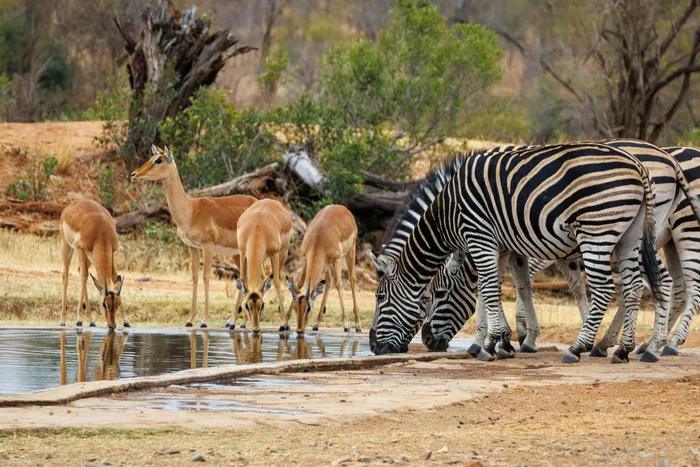
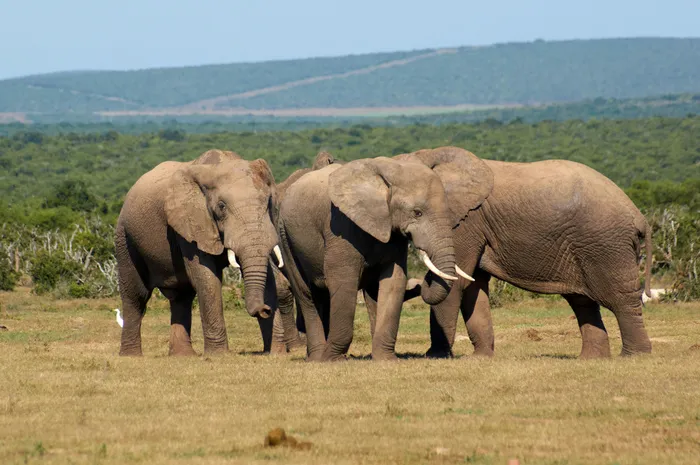
"If the public feels there is no hope, it will distract from the challenges we face," Pimm warns. He points to triumphs right under our noses that rarely make the evening news. In South Africa, conservationists quietly orchestrated the reintroduction of 22 large mammal species—including rhinos, zebras, and giraffes—to protected reserves. This bold logistical feat dramatically expanded the geographic ranges of what had become critically tiny, fragmented populations, effectively saving multiple species from the brink.
A significant flaw in current environmental reporting is the obsession with single-number global indices and aggregated averages. The study reveals that biodiversity change is highly variable, meaning a single global score is entirely misleading. While certain groups like sharks are declining due to heavily modified marine landscapes, others are thriving. Under legal protections, sea turtle populations are largely stable or recovering, and several marine mammal populations are actively expanding.
To sustain this momentum, the study outlines a clear roadmap for global leaders, shifting focus from vague rhetoric to hard, actionable data.
First, governments must leverage modern technology for transparent monitoring. Instead of relying on sporadic species counts, authorities must utilize real-time satellite imagery to police international agreements like the UN’s Kunming–Montreal Global Biodiversity Framework. Satellite data can spot illegal deforestation in tropical moist forests as it happens, allowing law enforcement to intervene before the chain saws finish their work.
Second, the ultimate "next action" for world leaders is economic, not ecological. Governments currently spend trillions of pounds on perverse subsidies that artificially prop up environmentally destructive industries. The research urges a swift end to funding fossil fuel interests and destructive commercial fishing fleets that would otherwise collapse under market forces.
The takeaway is clear: saving the planet is entirely possible, provided we have the political will and the right metrics. By abandoning defeatist headlines and funding localized, data-driven strategies, we can replicate the successes that have already kept the natural world breathing. It is not too late—in fact, we are already winning battles we haven't even bothered to count.