City Nature Challenge: South Africa's role in global biodiversity conservation


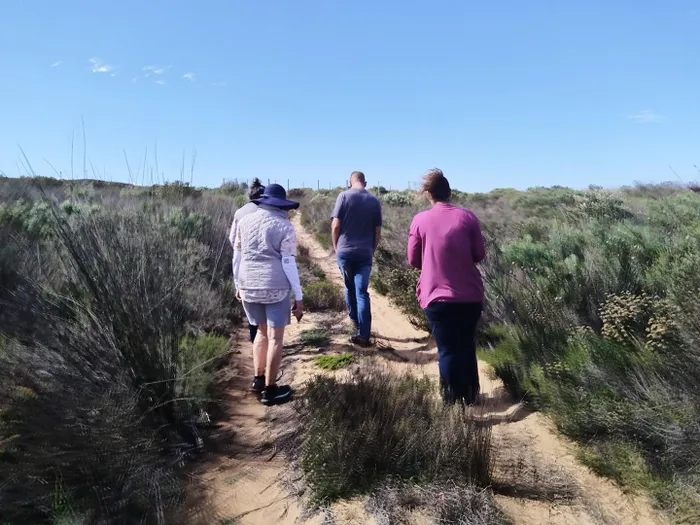
Nature lovers participating in the City Nature Challenge.
Image: Supplied
The annual City Nature Challenge (CNC) by iNaturalist transformed ordinary citizens into vital scientific contributors. This four-day international BioBlitz invited participants to use their smartphones to document global biodiversity, and South African nature enthusiasts proved once again why the country is a global leader in citizen science.
The Wild Rescue nature reserve, situated near Riversdale in the Western Cape, served as a local hub for the event. Guided by itinerant wildlife expert Shaun Swanepoel and Claude Schippers from the Gouritz Cluster Biosphere Reserve (GCBR), members of the public engaged in field training and workshops along fynbos trails. These sessions were designed to refine the data-gathering skills of "iNat" aficionados and newcomers alike.
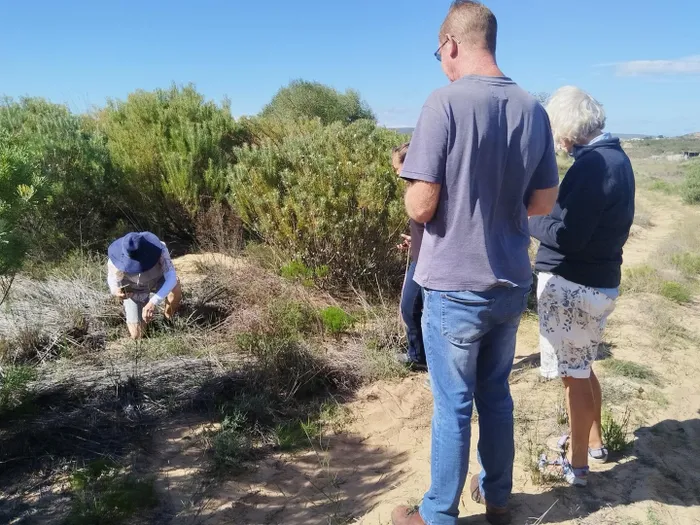
iNaturalist offered international participants a four-day BioBlitz event, using the app to snap photos of fauna and flora in their regions to help track and conserve global biodiversity.
Image: Supplied
iNaturalist has become a revolutionary force in ecology. By uploading photos of plants, insects, or fungi, users contribute to a mapped repository enriched with GPS metadata. This crowdsourced survey is essential for discovering new species, monitoring the impacts of climate change, and tracking invasive organisms. An observation reaches "research grade" status when two or more community members verify the identification, making it a primary resource for organisations like the South African National Biodiversity Institute (SANBI) and academic researchers worldwide.
Expert Shaun Swanepoel said the programme is designed for everyone, regardless of scientific background.
"iNaturalist, as a citizen science programme, is specifically designed to help the average person identify and better appreciate nature, to assist people in learning and potentially discover new species," Swanepoel said.
"When taking photos it’s important to make it as clear as possible and don’t be scared to take too many shots. To help with identification, if for example you know it’s a plant then label it as a plant. Don’t leave it as unlabeled and never be scared to enter a basic ID."
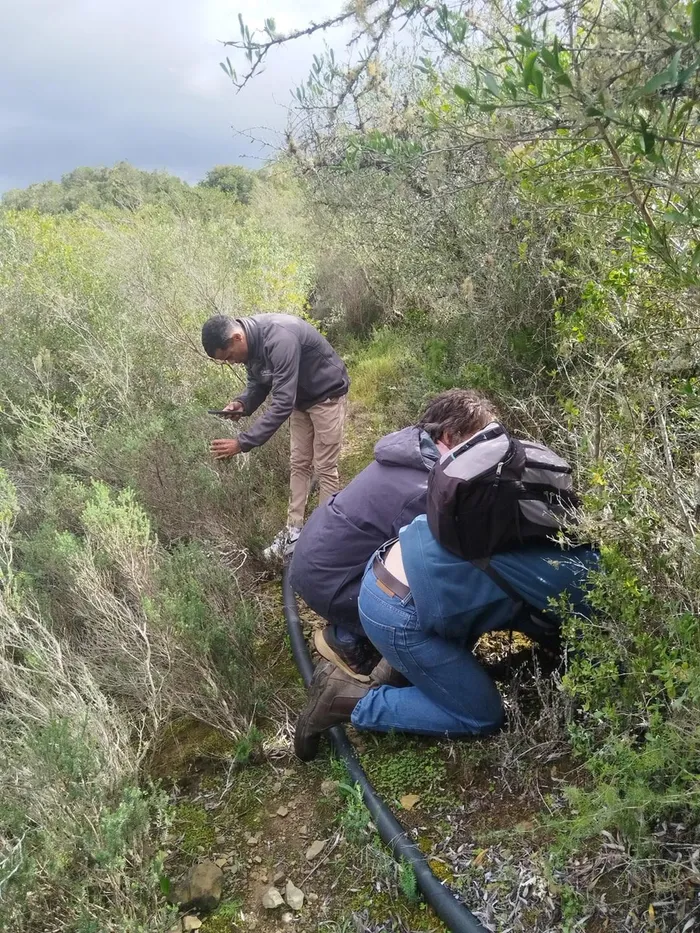
This crowdsourced natural surveyance is part of a broader mission of iNaturalist to help engage people in nature conservation.
Image: Supplied
The results of this year's challenge underscore South Africa's passion for conservation. As the fifth country to reach one million observations, the nation now boasts nearly 6.8 million entries. Local successes have been profound, including the rediscovery of a Karoo flower unseen for nearly two centuries and the mapping of over 400 invasive species. Cape Town continues to rank as a top-performing city globally, aided by the provision of free access to nature reserves during the challenge weekend.
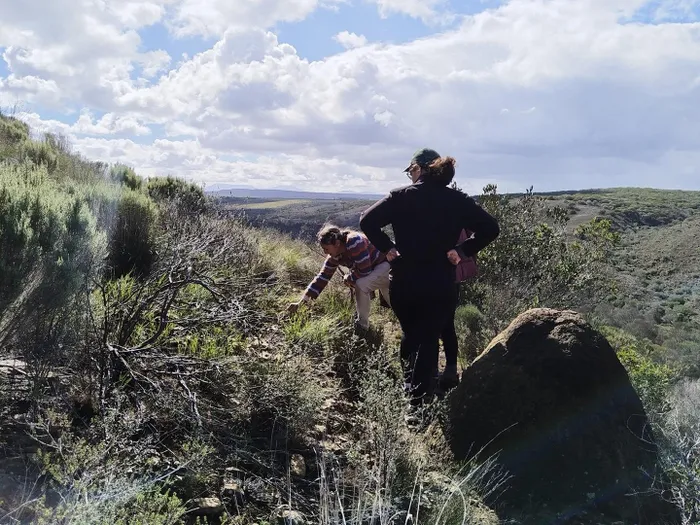
Vitally, an observation is deemed research grade when it has two or more positive identifications, with an agreed-upon taxonomy and species verdict.
Image: Supplied
Gill Simpson, Executive Director of Wild Rescue, believes the app is a gateway to individual environmental responsibility.
"Conservation starts with each person on an individual level and we believe iNaturalist is an important tool that allows anyone to contribute to studying and protecting the wonderful biodiversity of our planet," Simpson noted. "We all need to be citizen scientists to appreciate, and notice, the magical world that is in our very own gardens and living in the Cape Floristic Kingdom."
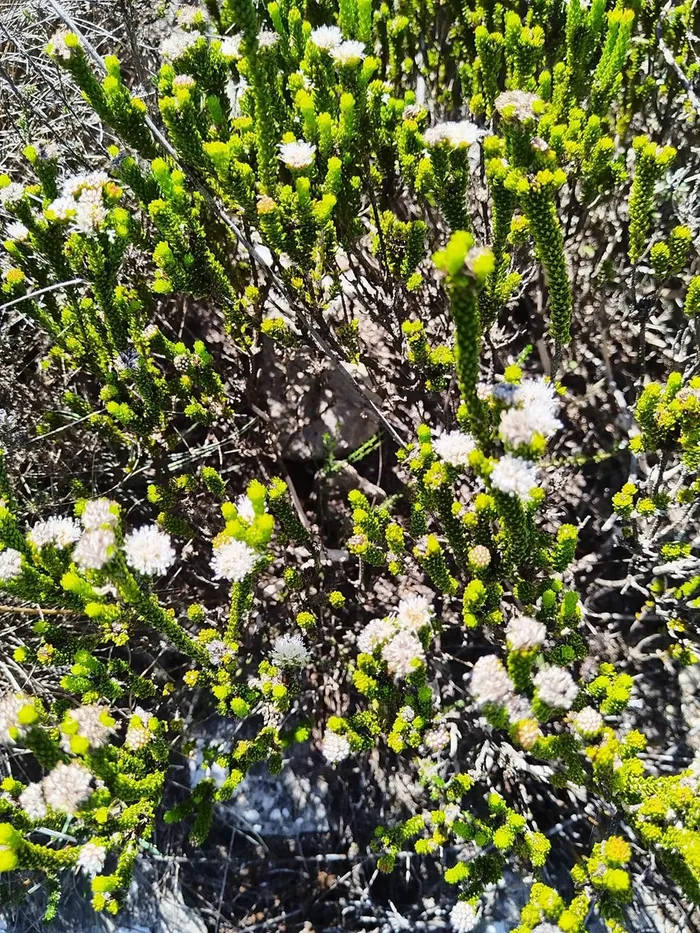
Key successes in the country include discovery of four new iris flower species in the Western Cape, the rediscovery of a rare South African moth, a rare Red Sundew species, and a Karoo flower which was last seen nearly 200 years ago.
Image: Supplied
As the 2026 leaderboard finalises, regions such as the Garden Route, eThekwini, and the Overstrand municipality have emerged as major contributors. While the City Nature Challenge happens annually, the iNaturalist platform remains a free, year-round tool for anyone looking to turn a weekend hike into a meaningful contribution to global science.