The hidden cost of conservation: why uncharismatic species are overlooked


Conservation science is inadvertently sidelining some of the planet’s most vital species because they fail to meet a human standard of "cuteness" or "charisma", according to a new study from the University of Johannesburg (UJ).
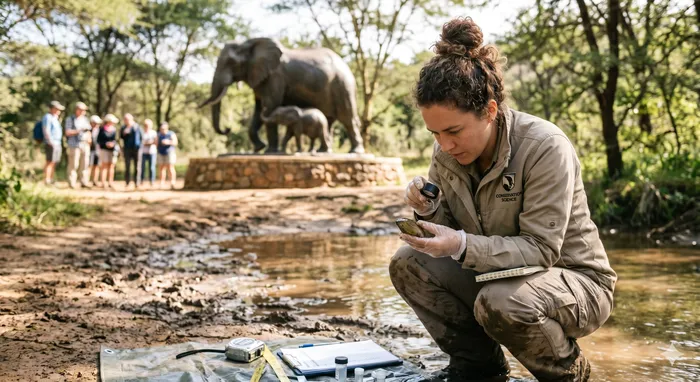
Image: AI generated/Gemini
Conservation science is inadvertently sidelining some of the planet’s most vital species because they fail to meet a human standard of "cuteness" or "charisma", according to a new study from the University of Johannesburg (UJ).
The research, published in the journal People and Nature, warns that global publication patterns and funding are heavily skewed towards animals that are visually striking or awe-inspiring. This leaves unglamorous endangered species — such as freshwater mussels, pygmy possums, and box turtles — to face extinction in the shadows.
In the world of academia, attention is more than just a metric; it is a form of currency. Dr Laura Tensen, an assistant professor at the University of Greifswald and UJ alumna, explained that this bias dictates which species are studied, which projects receive funding, and which papers are cited. The study found that charisma is remarkably well-defined. Species that attract the most research typically possess impressive horns, defensive armour, or facial markings that exaggerate traits like large eyes.
Professor Peter Teske, Director of the Centre for Ecological Genomics and Wildlife Conservation at UJ, notes that in marine biology, this club is limited to awe-inspiring predators like sharks and whales, or colourful, unusually shaped fish like seahorses and clownfish.
The cost of this neglect is staggering. Professor Teske points out that nearly half of all reptile families have seen no conservation research. Similarly, drab-coloured bottom-dwellers like gobies and blennies are ignored despite playing essential roles in the marine food web. The study also highlights a sociological barrier within the scientific community.
Research into charismatic megafauna, such as elephants and lions, is often guarded by entrenched Global North networks. Professor Teske described his experience working with charismatic species as exhausting, citing unnecessary politics and suspicious research networks where scientists viewed each other as competitors. This gatekeeping often excludes young researchers, female scientists, and those from developing countries.
However, this bias creates a unique opening for the next generation of scientists. By choosing to study less popular species, researchers often find the field more open and collaborative. Dr Tensen argues that there are typically fewer established groups with decades of accumulated data and fewer entrenched networks.
This lack of rules of entry provides a significant career advantage for those outside traditional research powerhouses. Professor Teske found that networks focused on uncharismatic species tended to grow rather than shrink, as any contribution was welcomed. Consequently, research into these overlooked animals often yields a far greater impact.
While charismatic species remain powerful flagships for raising public environmental awareness, the researchers conclude that the scientific community must actively counterbalance its aesthetic biases. Without a shift in focus, the species that lack a pretty face may be lost before we even understand their importance to the global ecosystem.