FOUR PAWS urges action against big cat exploitation in South Africa


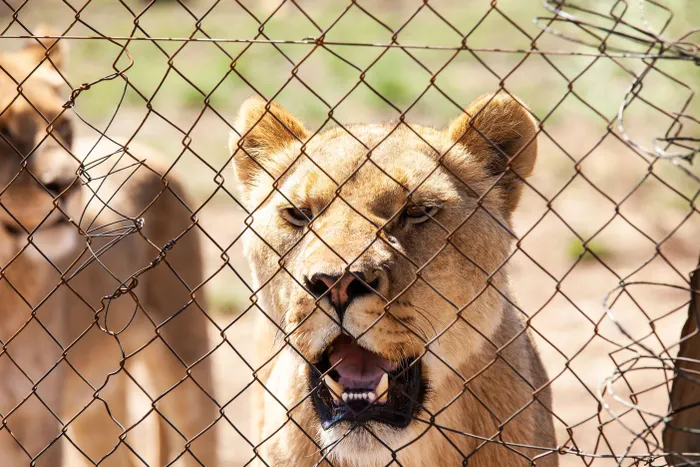
ions kept in a small cage at a South African lion farm where 30 lions were euthanized after being burned in a fire.
Image: FOUR PAWS
Global animal welfare organisation FOUR PAWS has issued a stark warning ahead of Endangered Species Day on May 15, declaring that South Africa remains at the core of a growing crisis threatening big cats. The organisation is urgently calling for an immediate end to the commercial breeding and trade of all big cats in the country, under its new campaign, #BreakTheViciousCycle.
Despite being iconic symbols of South Africa’s natural heritage, species like lions, leopards, and cheetahs face widespread threats from habitat loss, human conflict, and critically, commercial exploitation. South Africa also holds a significant number of non-native big cats, including tigers, which are bred in captivity for profit, thereby fueling the global demand for big cat parts and derivatives.
Exploitation Behind the Bars
While leopards and cheetahs are listed under CITES Appendix I (prohibiting international commercial trade due to high extinction risk), and non-native tigers are also Appendix I, the African lion is listed under Appendix II, which still permits regulated trade. FOUR PAWS highlights that these protections are frequently undermined by "fragmented regulations, weak enforcement and legal loopholes" that allow for continued big cat exploitation. Fiona Miles, Director of FOUR PAWS South Africa, stated that Endangered Species Day highlights "the uncomfortable reality that big cats in South Africa are not only threatened in the wild, but also exploited behind bars". Miles stressed that as long as big cats are bred, traded, and kept for commercial gain, every species remains at risk.
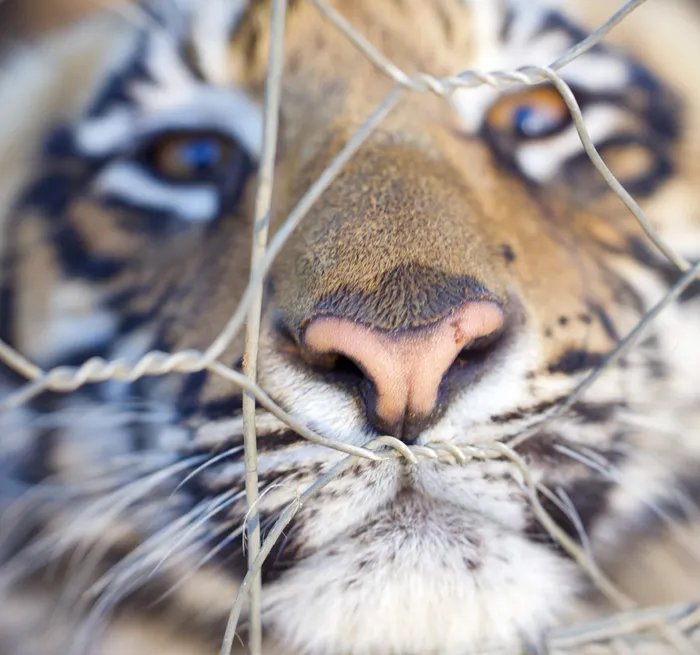
Investigation into the big cat captive breeding in South Africa.
Image: FOUR PAWS
The Vicious Cycle
The #BreakTheViciousCycle campaign exposes commercial breeding and trade as a self-reinforcing cycle of cruelty, where animals are treated as commodities. This cycle not only causes immense suffering but also fuels illegal wildlife trade networks and contributes to the decline of wild populations globally. South Africa has been identified as a source, transit, and destination country for big cats and their parts, with legal trade frequently providing cover for illegal activities. Miles added that commercial exploitation "has no conservation value," instead damaging South Africa's international reputation, putting pressure on wild populations, and "condemn[ing] thousands of animals to a life of suffering".
A Call for Decisive Action
FOUR PAWS urges decision-makers to implement clear, time-bound measures on Endangered Species Day 2026, specifically calling for the government to:
- End the commercial breeding and keeping of all big cats for profit.
- End the commercial trade of big cats, their parts, and derivatives within, into, and from South Africa.
- Strengthen enforcement in alignment with South Africa's CITES obligations.
- Support genuine conservation initiatives that protect species without exploiting individual animals.
The organisation also called on the public to reject exploitative wildlife tourism, speak out against unethical facilities, and support efforts to #BreakTheViciousCycle. Miles said: "If South Africa truly wants to be a global leader in conservation, it must choose protection over profit for big cats, and for future generations".