Why Eerste River is quietly becoming Cape Town’s hottest residential growth node


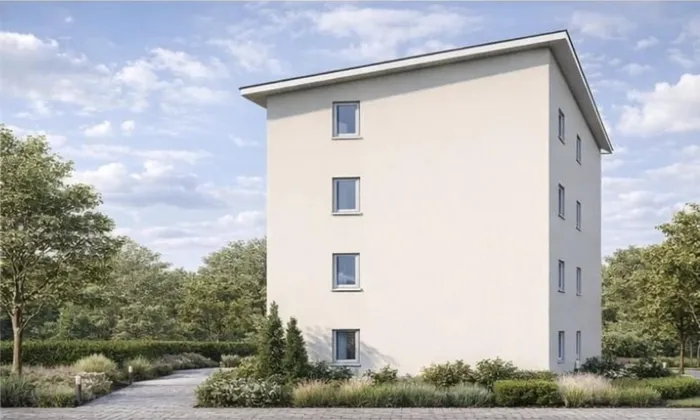
This development offers a limited number of well-designed units, ideal for both homeowners and investors looking to enter the market at the right time.
Image: Supplied
Eerste River continues to emerge as one of the most accessible and fast-growing residential nodes in Cape Town, making it an ideal location for first-time buyers and investors.
Ridwaan Abrahams, the owner of ARC Development, provides a quick fact about the area, highlighting Eerste River's strategic location. It offers easy access to major routes like the N2 and R300 and is close to key economic hubs such as Bellville, Stellenbosch, and the Cape Town CBD.
Furthermore, the area boasts strong community infrastructure, with schools, transport, and retail nearby, driving a growing demand for quality, affordable housing.
Impact of affordable housing
He says that affordable housing matters as it addresses the growing housing demand in South Africa, creates a pathway to homeownership for more families and has strong long-term investment potential in high-demand areas
The developer says the benefits of buying off-plan include:
- Secure today's price in a rising market.
- Potential for capital appreciation before completion.
- Lower upfront costs compared to completed homes.
- Brand new units with modern finishes.
- Opportunity to be part of a new, planned community.
Why buy now?
With transfer expected in 2027, Abrahams says buyers have the advantage of planning while locking in value early. “This development offers a limited number of well-designed units, ideal for both homeowners and investors looking to enter the market at the right time.”
Meanwhile, with most South African city centres facing infrastructure decay, high vacancies, wasted spaces and investor apathy, Cape Town’s CBD is telling a different story: one of intentional, long-term urban renewal, says
Tasso Evangelinos, CEO of the Cape Town Central City Improvement District (CCID), says this kind of growth in the current economic climate raises pressing questions: What is Cape Town doing right where other metros are struggling?
What is the story behind Cape Town’s economic growth? And can the city’s model of public-private collaboration, infrastructure reinvestment, and focused precinct management offer a roadmap for urban recovery in the rest of South Africa?
Accelerated pace of urbanisation
Urbanisation is accelerating across the globe, driving both population growth and spatial expansion, says Evangelinos. He adds that well-managed cities are where people want to be.
“But the most successful central business districts (CBDs) are no longer just commercial hubs; they are vibrant, mixed-use spaces that attract people beyond the traditional 9-to-5.”
To remain relevant, cities must invest in sustainability, quality public spaces, and community-centred amenities that foster connection and inclusivity. When managed well, the result is a city that balances modern convenience with environmental stewardship, a place where people want to live, work, and play every day.
Growing urbanisation correlates with ongoing building and renovation, and Cape Town is no exception, says CCID.
It says the total value of all property in the CBD has grown from R6 billion in 2006 to R42.5 billion, according to the latest City of Cape Town property evaluation, completed in 2022.
Research in the CCID’s latest City State of Cape Town Central Report reveals that in 2024/25, the estimated total value of all new property investment into the CBD was over R9 billion, it adds.
The rise of the social district?
Cape Town’s CBD is well on its way to transitioning into a Central Social District (CSD), Evangelinos says.
He says that, already home to thousands of residents, the demand for housing in the inner city continues unabated.
"Residential buildings dominate the current pipeline of new developments. According to the CCID’s report, 44 % of the new builds or renovations in the 2024/2025 pipeline were residential.”
He says the CBD is characterised by its unique mix of destination venues, from award-winning restaurants to niche fashion boutiques, art galleries, and specialist retailers. This vibrant offering powers the CBD’s thriving day and night-time economy, drawing people from all walks of life into the heart of the city, he adds.
Cape Town’s global allure as a bucket-list destination continues to fuel a surge not only in local and international tourism, but also in fresh demand for retail, office, and residential space, says CCID.
Independent Media Property