Why affordable housing is the backbone of SA’s residential sector


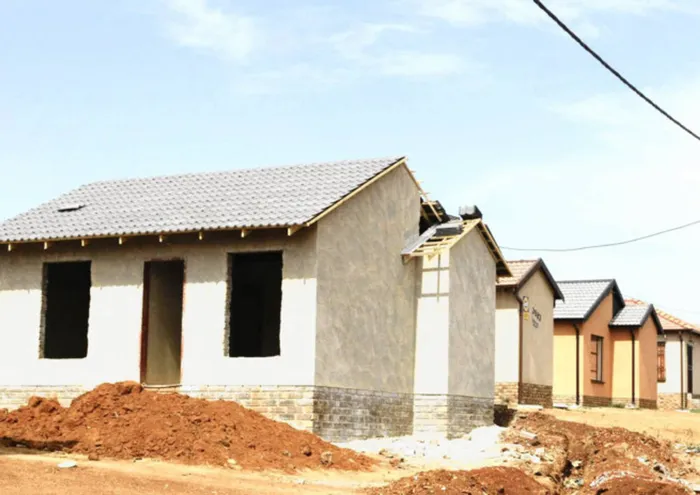
The affordable housing market can serve as a catalyst for growth, uniting stakeholders across industries to generate jobs, boost local economies and strengthen community development.
Image: Simphiwe Mbokazi
Affordable housing is not just a segment of the South African residential market - it is the market.
Accounting for 70% of the residential sector, it holds the largest share and drives the local property landscape, says Rob Buthelezi, chairman of RB Property Group.
However, the group emphasises that navigating this market is far from easy.
"This sector is predominantly made up of first-time homebuyers, many of whom face significant financial barriers, such as low credit scores and limited access to home financing. Addressing these challenges requires more than just a housing solution; it calls for dedicated financial education and empowerment,’ says Buthelezi.”
Building the capacity of first-time homebuyers
The property investment company emphasises that affordable housing is not just about constructing homes - it’s about building the capacity of first-time homebuyers to access and sustain homeownership.
Financial education plays a pivotal role in this process.
“Many prospective homebuyers in this market lack knowledge about the bond application process and how to improve their credit scores. That’s why, at RB Property Group, we go beyond offering affordable homes by providing training and skills development to ensure buyers understand the financial mechanisms behind homeownership,” the company explains.
Through collaborative financial clinics, the group brings financial institutions directly to homebuyers. These clinics offer guidance on bond products, clarify how to improve credit scores, and provide tailored financial advice.
“By equipping homebuyers with these tools, we enable them to secure financing, make informed financial decisions and ultimately become financially independent and successful homeowners,” the company adds.
Long-term solution to South Africa's housing challenges
This financial empowerment is part of broader training and skills development initiatives, which are crucial for ensuring sustainable homeownership, the company adds. It says these efforts align with national goals for economic development, social inclusion, and financial literacy, offering a long-term solution to South Africa’s housing challenges.
In June last year, Lightstone Property published an article titled “Affordable housing shortage stymies low-income families.” It reported that low-income households in South Africa face an acute shortage of formal housing.
Data analysed by Lightstone shows that there is just one property for every 4.8 households earning under R13 000 a month.
The ratio improves to 3.3 households per property for those earning up to R26 000 a month, while for higher-income groups, the ratio is closer to 1.2 to 1.
“But in any case, more than 80% of South Africa’s households earn under R26 000 per month, which means affordability remains a major barrier to most families owning a home,” the report concludes.
Housing sector: engine of economic inclusion and job creation
The affordable housing sector is not just a market - it is a powerful engine of economic inclusion and job creation. The property investment company notes that while closing deals in this sector may require extra effort, the long-term benefits are substantial.
Affordable housing stimulates economic growth by generating demand across multiple industries.
“The construction of homes involves not only builders but also suppliers, manufacturers, financial institutions, insurers and a variety of service providers. From telecommunications and energy to insurance, logistics and finance, affordable housing affects a wide range of sectors, creating jobs and driving economic activity,” the company explains.
By focusing on affordable housing, the group says that it is directly contributing to job creation, fostering economic inclusion, and promoting transformation.
“It is an ecosystem that touches every corner of the economy, producing multiplier effects that extend far beyond the housing market itself,” the company adds.
“In this market, there is a unique opportunity to support small, medium, and micro enterprises (SMMEs), particularly those owned by previously disadvantaged individuals. These businesses play a vital role in the construction and property sectors, and we actively work to include them in our projects."
"By integrating SMMEs into the affordable housing supply chain, we create opportunities for transformation and economic empowerment, contributing to wealth distribution and community development.”
Sustainable development
Buthelezi emphasises that achieving meaningful impact in the affordable housing sector requires alignment with South Africa’s existing policy frameworks. He explains that their work follows national priorities, including the Integrated Development Plans (IDPs) and Spatial Development Frameworks (SDFs).
“These frameworks ensure that housing developments are not only sustainable but also contribute to broader objectives such as economic growth, social inclusion, and environmental sustainability,” he says.
“Our commitment to these policy frameworks ensures that our housing projects form part of a national movement for transformation. When executed correctly, affordable housing can play a pivotal role in meeting the government’s goals of providing equitable housing opportunities, reducing poverty, and driving economic prosperity for all South Africans.”
Collaborative efforts with financiers
As part of its commitment to financial empowerment, the company invites financial institutions to participate in its financial clinics. These clinics are designed to help homebuyers understand and access financing options, answer questions about bond products, and educate them on improving their credit scores.
“Through these collaborations, we are creating a more accessible and transparent path to homeownership,” the company says.
Process takes time
The company acknowledges that this is not an overnight process. Educating first-time buyers, improving financial literacy, and helping them access financing takes time.
“It is a long-term, ongoing effort that requires consistent engagement and collaboration. At RB Property Group, we are prepared for this challenge, knowing that every step we take brings us closer to building an inclusive and sustainable property market,” it adds.
Affordable housing crucial to driving transformation
Affordable housing plays a vital role in driving transformation, says Buthelezi. He explains that it is not just about providing shelter, but about creating opportunities for people to improve their lives, build wealth, and contribute to the economy.
“The affordable housing market can act as a catalyst for growth, bringing together stakeholders from multiple industries to create jobs, stimulate local economies and foster community development,” he adds.
Pathway to financial security
“Affordable housing is also a key driver of inclusive growth. By helping previously disadvantaged individuals gain access to homeownership, we are not only providing them with a roof over their heads but also offering a pathway to financial security."
"Homeownership empowers individuals to build equity, access credit, and participate more fully in the broader economy. This, in turn, helps reduce wealth inequality and create more equal opportunities for all,” Buthelezi concludes.
Better future
The affordable housing market may present challenges, but it also offers unparalleled opportunities to create a more inclusive and prosperous future. The company says it is committed to navigating these challenges by equipping first-time buyers with the financial education, resources and support they need to succeed.
Through collaboration with financial institutions, alignment with national policy frameworks, and a focus on empowering individuals and SMMEs, the company is not just building homes - it is laying the foundation for long-term economic growth, job creation and transformation.
Vehicle for financial empowerment
Affordable housing is more than a market; it is a powerful vehicle for financial empowerment and community development.
“As we continue our work in this sector, we remain focused on our mission to empower first-time homebuyers, drive inclusive economic growth and contribute to South Africa’s transformation,” says Buthelezi.
The company adds that it is eager to help shape a future where everyone has the opportunity to own a home, build financial security, and contribute to the nation’s growth.
“The reality is that South Africa’s housing backlog, now estimated at 2.6 million units, continues to grow amid rapid urbanisation and the expansion of informal settlements,” notes Lindiwe Kwele, chief executive officer of the Gauteng Partnership Fund (GPF).
“This underscores the need for urgent, coordinated and systems-based solutions. In this context, the GPF acts as a strategic partner to municipalities, accelerating projects from planning to implementation through innovative financing and development solutions that deliver affordable housing and strengthen the socioeconomic fabric of Gauteng communities,” Kwele adds.
Independent Media Property