Mitchells Plain at 50: a journey of transformation and community


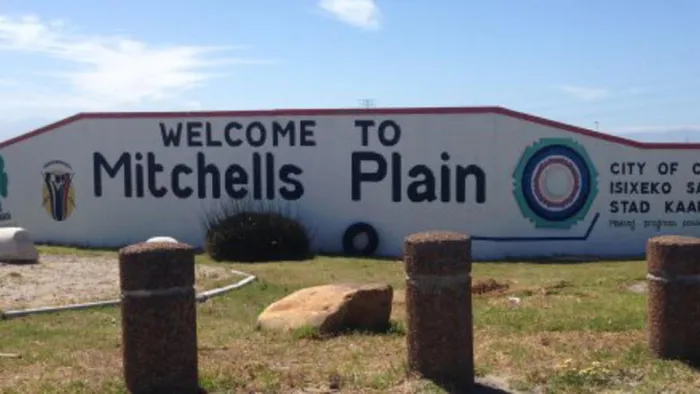
Mitchell Plain is celebrating its 50th anniversary.
Image: Supplied
"There are places you pass through in life, and then there are places that pass through you. These are the locations that shape how a person understands struggle and, more importantly, how they define possibility. Mitchells Plain, one of Cape Town’s most sprawling and storied suburbs, is undeniably one of those places. As it stands on the precipice of its 50th anniversary in 2026, the community is not merely marking a date on a calendar; it is reclaiming a narrative."
The story of Mitchells Plain began in 1976, but it was not a birth of choice. Speaking at the official launch of the 50-year anniversary celebrations on 23 April 2026, Cape Town Deputy Mayor Eddie Andrews was unflinching in his assessment of the suburb’s origin.
"Mitchells Plain was not born out of organic growth," Andrews told a captivated audience. "It was deliberately engineered through apartheid spatial planning. Families were uprooted. Communities were fragmented. People were moved to the margins of a city that did not intend to include them."
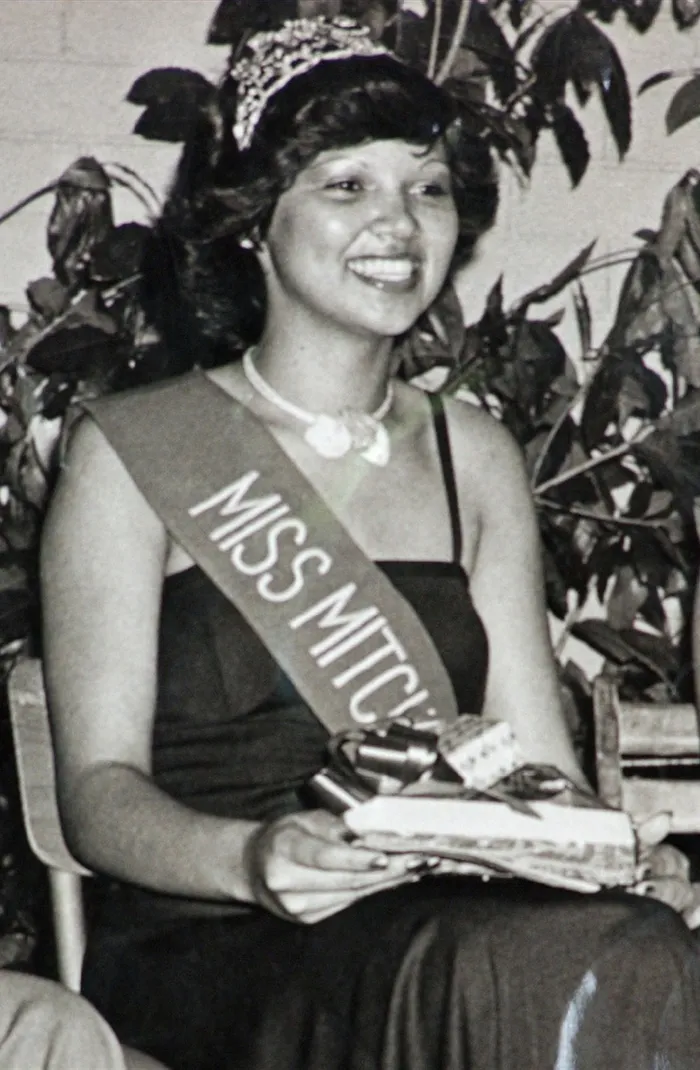
Theresa (Dempest) Hannie, the first Miss Mitchells Plain
Image: Leon Muller
Yet, five decades later, the "Fuller Story" of the Plain is one of a spectacular backfire against the architects of segregation. What was intended to be a peripheral settlement has transformed into a cultural and economic powerhouse. Andrews, who grew up in the area, noted that the community had done something "extraordinary" by taking limitation and turning it into identity, and distance and turning it into community.
"To speak honestly about Mitchells Plain at 50 years, we must begin with truth," he said. "And yet, what is remarkable and deeply powerful is that out of that imposed beginning, something entirely unplanned emerged. Not just a settlement. But a society."
This sense of society was palpable during a recent interfaith thanksgiving service at Highlands Primary School, where residents reflected on the early days of the "sandy plain." Norman Jantjes, deputy chairperson of the Mitchell’s Plain United Residents Association (MURA), recalled the disorientation of the move from areas like Bonteheuwel and Manenberg.
"I remember sand blowing through doors and yards, and the kombies that served as mobile stores. You could get lost because all the houses looked the same," Jantjes remarked. It was a place of isolation where the wind never seemed to stop blowing, yet it was also a place where a new kind of "local is lekker" resilience was forged.
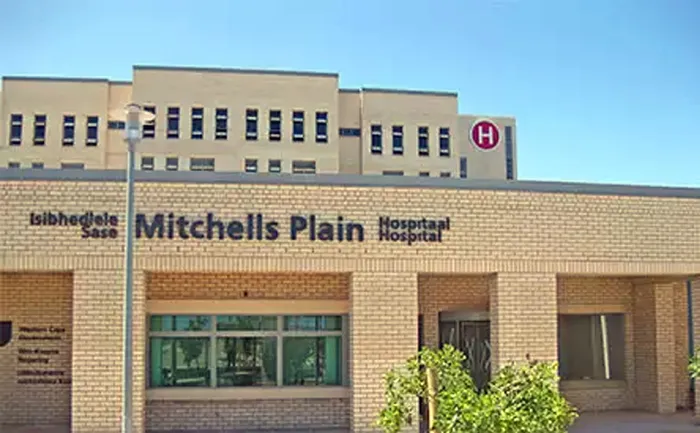
The Mitchells Plain Hospital stands as a landmark in the area.
Image: File
The cultural heartbeat of the suburb has long been its greatest export. From the launch event to the recently revived festive lights switch-on along Morgenster Road—which returned after a decade-long hiatus—the area’s talent has consistently punched above its weight. Figures like Emo Adams and Alistair Izobell were hailed as symbols of this excellence. Andrews described Adams’ journey as one of "consistency, discipline, and deep connection to community," noting that he carried the identity of Mitchells Plain onto national stages, "reminding South Africa and beyond that this community produces excellence that cannot be ignored."
However, to celebrate Mitchells Plain without acknowledging its scars would be a disservice to its residents. The anniversary reflections also touched on darker moments, from the trauma of the Station Strangler to the persistent shadow of gang violence and unemployment.
"We must not romanticise the moment," Andrews warned. "There are real challenges that persist: crime continues to affect too many households; unemployment continues to limit too many futures."

Emo Adams, musician and entertainer from Mitchells Plain.
Image: Supplied
Yet, the economic tide appears to be turning. The recent sale of the Watergate development, valued at approximately R500 million, has been cited as a major signal of shifting confidence. For the City of Cape Town, the milestone is a catalyst for renewed investment. A R9 million allocation for "safe spaces," major road upgrades from Spine Road to Weltevreden Parkway, and the massive Philippi Collector bulk sewer project are all part of a multi-million rand effort to match the community’s own energy.
MEC for Arts and Culture, Ricardo Mackenzie, welcomed this renewed focus, stating that the return of community festivals signals a "vital celebration of community, identity, and the vibrant cultural spirit that defines Mitchells Plain."
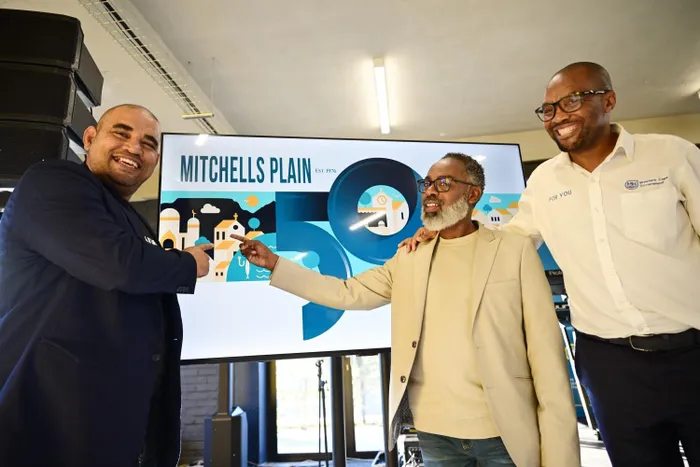
Cape Town Deputy Mayor Eddie Andrews; Subcouncil 17 Chairperson, Cllr Elton Jansen, and the Western Cape MEC for Cultural Affairs and Sports, Ricardo Mackenzie, attended the launch of the Mitchells Plain 50-year commemoration on Thursday, 23 April 2026.
Image: Supplied
The "Mitchells Plain 50th Legacy Project," a collective of volunteers led by residents like Dr Alicia English, is now coordinating a year-long programme of events. These include a talent search for the next generation of voices, the "People’s Festival," and sporting tournaments. Dr English, who is raising her own children in the suburb where she grew up, sees the anniversary as a moment to honour "resilience, creativity, and community leadership."
As the suburb approaches its golden jubilee, the question remains: what will Mitchells Plain become in the next 50 years? For the Deputy Mayor, the answer lies in a partnership that moves beyond government mandates. "The first 50 years were about overcoming what was imposed," Andrews concluded. "The next 50 years must be about defining what is possible. Its future is not something that will be decided elsewhere; it will be shaped right here."
In the streets of Rocklands, Westridge, and Tafelsig, the message is clear: Mitchells Plain is no longer a footnote in an apartheid blueprint—it is the author of its own future.