Why Cape Town property prices are driving buyers away


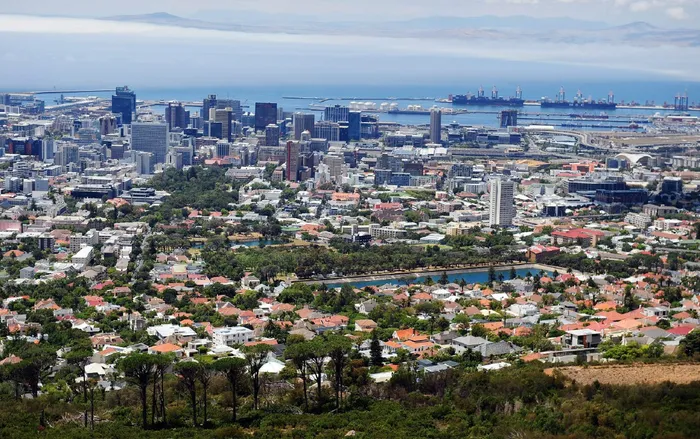
Gone are the days when almost any property on the Atlantic Seaboard turned a profit without much effort.
Image: File
Property buyers are pushing back on overpriced stock, particularly at the top end of the apartment market.
Commenting on the Atlantic Seaboard rental market, NOX Cape Town says average rents reached R11,894 per month with 6.8% annual growth in the last quarter of last year, positive for landlords in the near term, but affordability is increasingly acting as a brake.
“Some segments of the workforce are being quietly priced off the Seaboard entirely, which has longer-term implications for rental growth trajectories and the depth of the tenant pool, says Nick Taylor, MD at Nox.
“Gone are the days when almost any property on the Atlantic Seaboard turned a profit without much effort. The market has matured, and with it, the gap between the right buy and the wrong one has widened considerably.”
The property management company says Cape Town residential property inflation hit 10.0% year on year by October 2025, with the Western Cape running well ahead of every other metro in the country.
It says macro conditions remain supportive: CPI sat at 3.1% in March 2026, the repo rate has held at 6.75% since the November 2025 cut, and Cape Town International Airport handled a record 11.1 million passengers in 2025.
Spread between asking and achieved prices has widened
The MD says what is closer to a ceiling are generic apartment products, particularly in Camps Bay, where sectional-title stock averaged 131 days on market in late 2025 and asking prices sitting materially above achieved sale prices.
Data from Lightstone confirms this pattern, showing that the spread between asking and achieved prices has widened and higher-value homes are seeing the largest discounts, even as Cape Town retains the fastest sale times and smallest gap to asking price of any major South African metro, he adds.
Short-term vs long-term rentals: where is Cape Town's real return now
Short-term rentals still offer a stronger gross upside in the right asset. In Sea Point, listings have risen around 33% year on year but bookings have grown 50%, with occupancy improving to 75%, Nox says. It adds that even in the more competitive Camps Bay, where occupancy slipped to around 64%, bookings were still up 11% and tourism demand remains structurally strong off the back of record airport traffic.
“The catch is underestimating the cost of running a short-term rental portfolio. A 9-10% gross revenue-to-purchase-price ratio can translate into a modelled net yield in the mid-single digits before financing, ownership costs and tax and the gap over long-term rentals is real, but narrower than many investor pitch decks suggest.”
Long-term rentals are said to offer something increasingly valuable: stability
The Western Cape posted a record-low rental vacancy rate of 1.07%, average rents reached R11,894 per month with 6.8% annual growth in Q4 2025, and 88.81% of Western Cape tenants were in good standing in mid-2025.
Ultimately, the choice between short- and long-term is less about which model is categorically superior, and more about which one fits the specific asset, the building's body-corporate rules, the investor's risk appetite, and the emerging regulatory landscape in Cape Town, Nox says.
Meanwhile, Gboyega Jr Pedro, the founder at Rand Runners Digital Growth says Cape Town is pricing out its very own middle class, adding that the towns winning from it are still widely called “weekend getaways.”
“While the Atlantic Seaboard records R314 million in early 2026 sales and 71% of City Bowl listings clear within 30 days, a massive structural displacement is occurring right beneath the surface. The middle-class buyer pool has hit a pricing breaking point.”