Why winter is the best time for a safari in South Africa


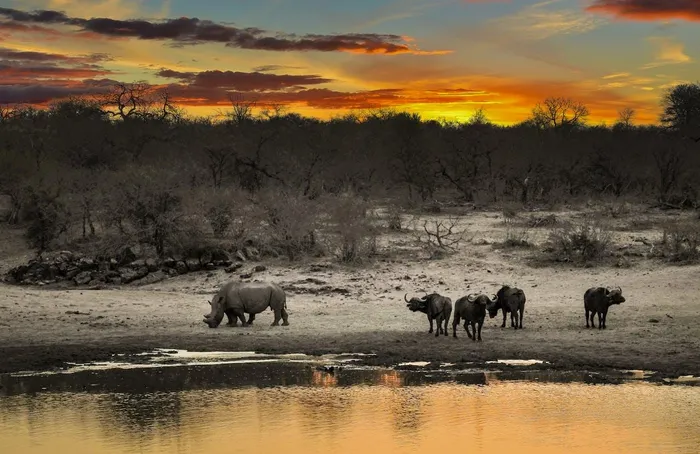
There’s something magical about the bushveld in winter.
Image: Frans van Heerden / Pexels
There’s something magical about the bushveld in winter. The air feels crisper. The grass turns golden.
The mornings begin with steaming mugs of coffee and blankets draped across your lap as the safari vehicle crunches along dusty roads before sunrise.
It might not sound like the obvious season for a bush escape, but ask almost any experienced ranger or safari regular, and they’ll tell you the same thing: winter is when the bush truly comes alive.
Many South Africans automatically associate safaris with summer holidays and long December breaks.
But the truth is, the dry winter months between May and September are considered prime safari season across much of the country. In fact, it’s one of the best-kept secrets in local travel.
The biggest reason comes down to visibility.
During summer, the bushveld is lush and thick after the rains. It’s beautiful, green and full of life, but spotting animals can become surprisingly difficult when everything is hidden behind dense vegetation.
Winter changes that completely.
The grass becomes shorter, trees lose some of their leaves, and suddenly the bush opens up.
Lions lounging beneath shrubs become easier to spot. Leopards hidden in trees are more visible. Even shy animals become less difficult to find.
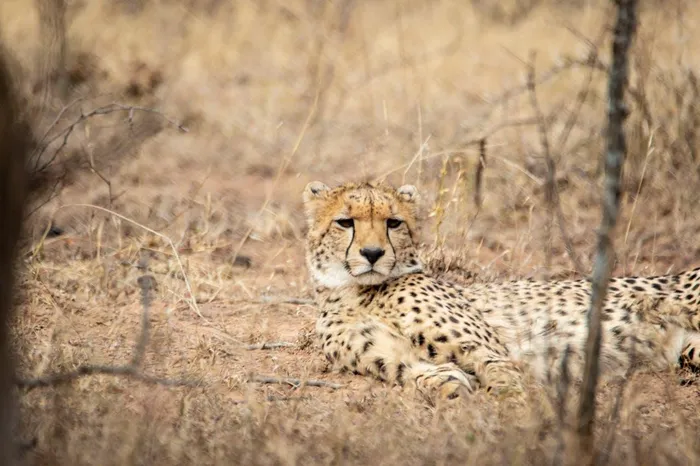
The grass becomes shorter, trees lose some of their leaves, and suddenly the bush opens up.
Image: Magda Ehlers / Pexels
Then there’s the water factor.
Winter is the dry season in many safari regions, which means rivers, dams and waterholes become gathering points for wildlife.
Animals naturally move towards the remaining water sources, creating those incredible safari moments where elephants, buffalo, zebra and antelope all appear in the same area.
And where prey gathers, predators are never far behind. It’s one of the reasons winter game drives often feel far more dramatic and action-packed.
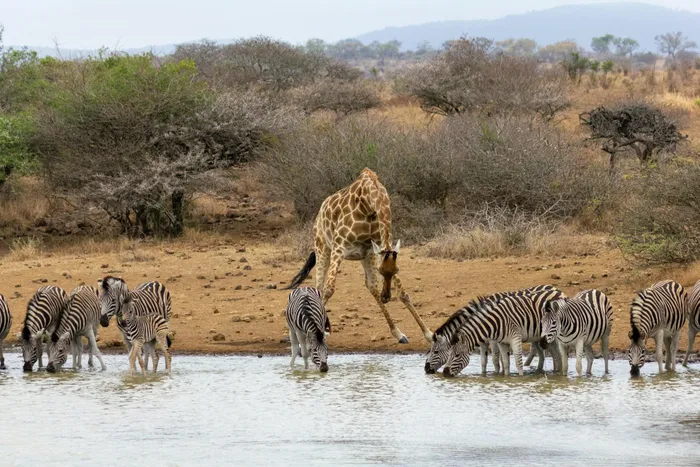
Winter is the dry season in many safari regions, which means rivers, dams and waterholes become gathering points for wildlife.
Image: Martie Bloem / Unsplash
Another thing many people underestimate is just how comfortable winter safaris are.
Summer in the bush can be brutally hot, especially in places like the Kruger region, where temperatures regularly climb above 35 degrees.
Winter, on the other hand, offers cool mornings and mild afternoons that make long game drives far more enjoyable.
You’re not melting in the heat by mid-morning or hiding indoors during the hottest part of the day.
Instead, animals stay active for longer, and so do the people watching them.
For photographers, winter is pure gold. Literally.
The bushveld takes on those warm amber tones that make every sunrise and sunset look cinematic.
Dust hangs in the air during golden hour, creating dramatic light that turns even an ordinary giraffe sighting into something that belongs on a magazine cover.
The softer winter light also makes photography easier compared to the harsh overhead glare of summer.
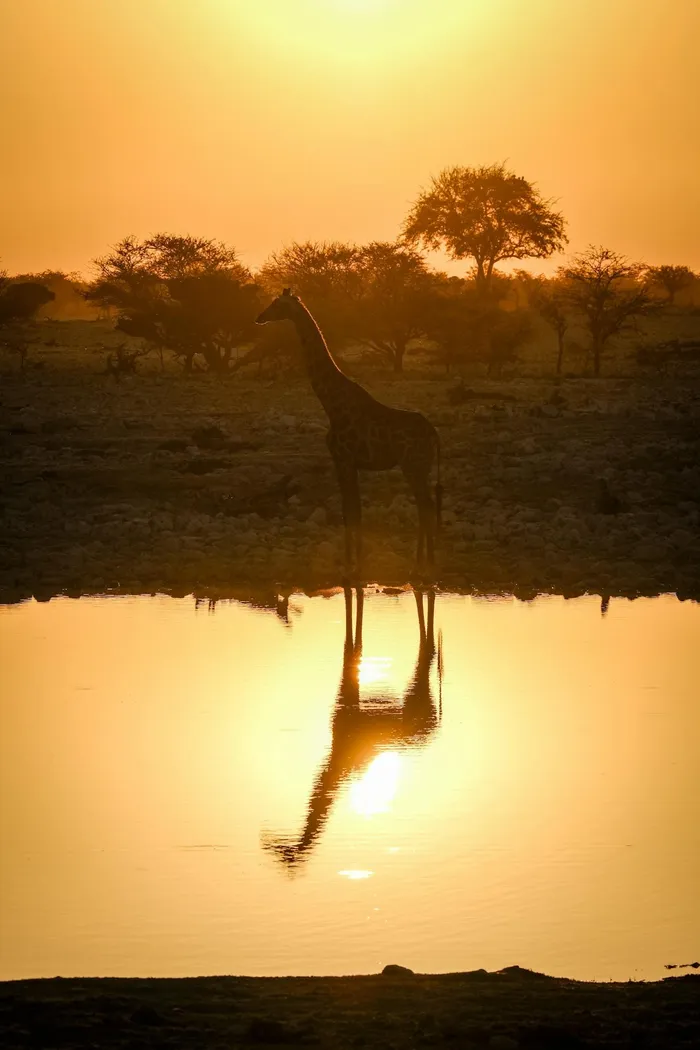
The bushveld takes on those warm amber tones that make every sunrise and sunset look cinematic.
Image: Francesco Ungaro / Pexels
Winter also comes with a practical advantage many travellers appreciate: fewer mosquitoes.
In malaria areas like parts of the Kruger region and Limpopo, the colder dry season usually means reduced mosquito activity and lower malaria risk compared to peak summer rainfall months.
While precautions are still important, it’s definitely one of the reasons many families prefer winter bush holidays.
Of course, winter safaris aren’t perfect. Early mornings can be icy, especially in open vehicles before sunrise.
You’ll need layers, gloves and possibly even a beanie if you’re heading into the bush at dawn.
Peak winter months can also mean higher lodge prices because demand is so strong. But for many travellers, the trade-off is worth it for the quality of sightings alone.
The beauty of a South African winter safari is that it feels raw and cinematic in a way summer sometimes doesn’t.
IOL Travel