The real reason your next domestic flight costs more: SA’s 70% jet fuel spike


Airfares in South Africa are soaring as a direct, visceral response to the escalating conflict in the Middle East.
Image: File.
If you’ve been searching for a flight lately, you’ve likely noticed that those once-affordable domestic fares have suddenly taken off.
Whether you’re heading to the coast for a break or flying between Joburg and Cape Town for work, the prices on your screen probably look a lot higher than they did just a few weeks ago.
This isn’t just a typical seasonal fluctuation. As of March, South African airfares are soaring as a direct response to the escalating conflict in the Middle East.
Why prices spiked overnight
The primary engine behind these rising costs is Jet A1 fuel. In a single week following the military strikes on February 28, the price of jet fuel at South African coastal airports spiked by approximately 70%.
For an airline, fuel constitutes between 50% and 55% of total direct operating costs. When the Strait of Hormuz, a critical chokepoint for 20% of the world’s oil, became a combat zone, the global supply chain shrank.
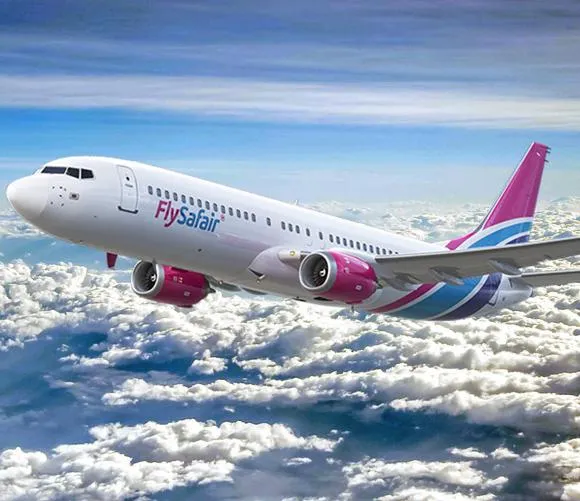
Low-budget airline FlySafair recently estimated that the fuel price surge adds R35,000 per flight hour for a standard Boeing 737-800. For a two-hour flight, that is R70,000 in extra costs that simply weren't there a month ago.
How airlines are responding
South African carriers, already operating on thin margins after years of post-pandemic recovery, have had no choice but to pass these costs to the consumer.
The response has been swift.
FlySafair: The low-cost leader introduced a "temporary dynamic fuel surcharge" on March 12. Unlike a hidden fare hike, this is an itemised fee that varies based on the length of the flight.
In an official statement, the airline said: "We prefer to keep our fares transparent so that customers can clearly see what they are paying for, rather than quietly building temporary cost increases into the base fare. The surcharge applies to new bookings made from March 12 2026, for flights departing on or before May 12, 2026."
They said the charge is temporary, will be reviewed regularly, and may be adjusted or removed as fuel prices stabilise.
The exact surcharge amount is shown clearly during the booking process before payment is made.
National carrier South African Airways (SAA) followed suit, adjusting fares across its entire network, including domestic, regional and long-haul international routes.
"It is impossible for the airline to absorb fuel hike prices entirely. As a result, SAA will need to adjust airfares.
"Therefore, exact fare levels by route and cabin class will be published via the airline’s booking channels, GDS systems, and other distribution platforms with effect from March 12, 2026. Tickets already purchased and issued prior to the effective date will be honoured at the fare paid."
The statement continued: "These adjustments are necessary to ensure the continued sustainability of our operations while maintaining safe, reliable service for our customers."
Airlink and LIFT have both adjusted their pricing models, with Airlink reporting that fuel costs at specific airports like Gqeberha and Cape Town have reached unsustainable levels.
Airlink’s CEO, De Villiers Engelbrecht, said: "Although the situation in the Middle East remains fluid, it would be naïve to believe jet fuel prices would not rise sharply in the short to medium term and airfares will naturally increase.”
Cilliers Jordaan, chief commercial officer at LIFT, said: “The rising cost of fuel has had a significant and immediate impact on the airline industry, directly affecting operating costs.”
The ripple effect
The soaring ticket prices are doing more than just denting holiday budgets; they are threatening the broader South African economy.
- As flights become "unaffordable" for the average middle-class family, the knock-on effect hits hotels, car rentals and small businesses in tourism hubs like the Garden Route or the Kruger National Park.
- Higher transport costs feed directly into national inflation. The South African Reserve Bank is already monitoring these developments, with economists warning that fuel-driven inflation may lead to higher interest rates later this year.
- Some international carriers, such as Emirates and Qatar Airways, have faced temporary cancellations or rerouting due to airspace closures in the Middle East, further reducing the supply of seats and pushing prices higher through basic supply and demand.
Looking ahead
Airlines are currently treating these hikes as temporary. Most surcharges are currently pegged to flights departing before May 12, signalling a hope that the conflict will de-escalate and oil markets will stabilise.
However, for the South African traveller, the days of "R500 sale tickets" are on ice. Until the tankers can move freely through the Persian Gulf again, the cost of a quick coastal getaway will remain at a premium.