Patrice Motsepe is feeling the heat as CAF leadership under scrutiny amid AFCON drama
Africa Cup of Nations


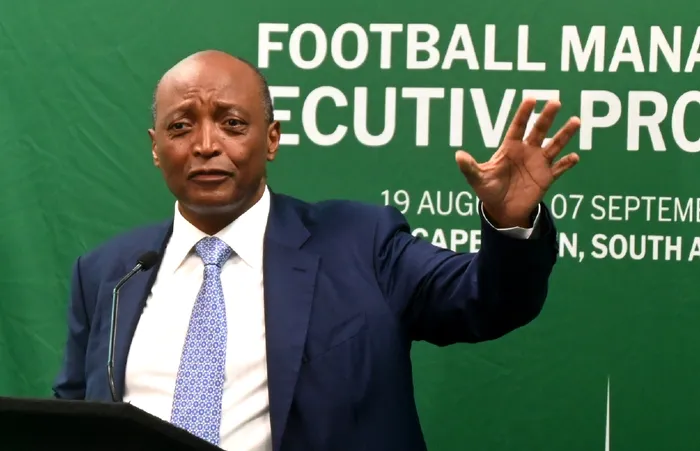
. Patrice Motsepe.
Image: Ayanda Ndamane/ Independent Newspapers
COMMENT
After CAF controversially stripped Senegal of the Africa Cup of Nations title, Stellenbosch FC coach Gavin Hunt remarked dryly: “Patrice is going to take a hammering.”
Indeed, hours after CAF declared Morocco the AFCON champions, a significant backlash emerged, particularly impacting the South African billionaire Patrice Motsepe, the CAF president. Numerous respected figures in African football responded to the announcement with scepticism and disbelief.
The ruling has sparked widespread speculation that Motsepe’s leadership is being undermined by the very mechanisms he established to promote good governance. Two years ago, he championed the establishment of an independent disciplinary committee and appeals board to bolster CAF’s judicial integrity.
However, with these bodies now seemingly operating under a mandate that poses a potential threat to CAF’s executive power, observers question whether Motsepe’s ambition for independence has inadvertently weakened the association’s stability.
In the wake of the controversy, some CAF officials have rushed to defend Motsepe, stating that he has no influence over judicial or disciplinary decisions and does not serve on these committees. Despite this assurance, unfounded allegations of bribery cast a shadow over the situation, with critics citing a lack of transparency.
CAF’s media department appropriately dismissed these claims, asserting Motsepe’s integrity by detailing his significant financial contributions to the organisation and confirming that he cannot be bribed. However, a growing sentiment suggests that Motsepe may be failing to understand the implications of an independent judiciary within CAF.
Some argue that this independence, intended to instil better governance, has instead given rise to a parallel structure that undermines his authority. Observers fear he may defer to judicial bodies’ decisions without adequate scrutiny or challenge.
In a firm response to the uproar, Motsepe has vowed that no nation will receive preferential treatment, reiterating the importance of adhering strictly to competition rules. Nevertheless, Morocco’s actions throughout the AFCON raised eyebrows. Held in their home country, Morocco were perceived to have benefited from questionable advantages.
Only a few days ago, Abdoulaye Fall, the president of the Senegalese Football Federation, recounted an unusual late-night call from Morocco’s football federation president, Fouzi Lekjaa, regarding the referee appointment for the final. Fall felt this decision was controversial, given the referee’s contentious history with Senegal.
Such instances have led to accusations that Morocco operated with impunity during the tournament. As the saga unfolds, all eyes will be on the Court of Arbitration for Sport (CAS) in Switzerland, which will decide on Senegal’s appeal. With Motsepe already under the spotlight, further scrutiny is inevitable as the impending findings could spell more trouble for his presidency and the future of African football governance.