AFCON hangover lingers as host Morocco's unsporting tactics leave a bitter aftertaste
AFCON 2025


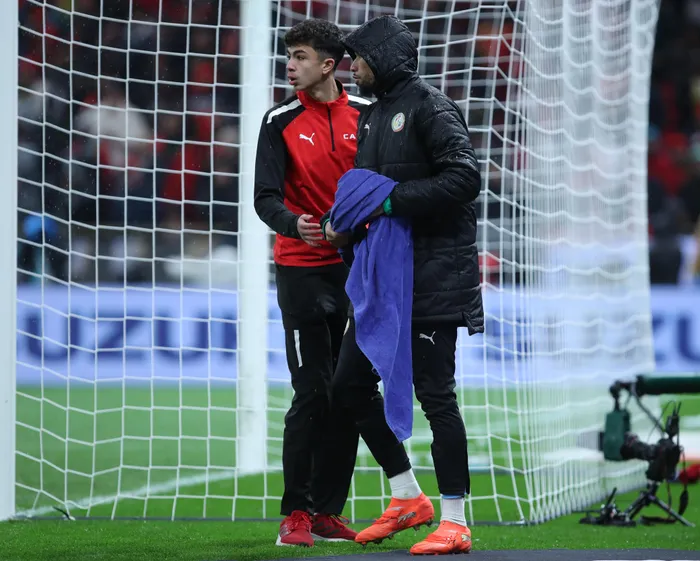
FROM stealing opposition goalkeeper's towels to other shenanigans, Morocco were undeservingly awarded the Fair Play Award with their coach also rewarded as the best of the tournament.
Image: BackpagePix
The AFCON hosts Morocco claimed the coveted ‘Coach of the Tournament’ and ‘Fair Play’ accolades, achievements that seem to stand at odds with the unsportsmanlike tactics displayed throughout the event.
The Moroccans, driven by an unyielding desire to win at all costs, cunningly leveraged their home advantage to maximum effect, and without shame.
As hosts, they scheduled all their games at the same venue, from the group stage to the final. Not content with enjoying the home-crowd advantage, they gave themselves a bonus: playing at one venue from start to finish.
Hence, unlike all the other teams, Morocco didn't travel to different venues for games. Morocco did not have different training venues. This situation was unheard of in the history of AFCON.
The 2025 finalists, Senegal, travelled by public train from Tangier to Rabat ahead of the 2026 AFCON final against Morocco. The unpleasant experience prompted complaints from the Senegalese Football Federation (FSF) regarding a lack of security, poor organisation, and inadequate, crowded conditions at the station.
Since when are teams required to use public transport during continental tournaments?
Many videos circulating on social media show the Senegal players working their way through crowds. This ordeal would have proved demoralising, and this show of hostile hosting seemed less than fair play on the field.
After Senegal found their accommodations ahead of the final to be completely unsatisfactory, they were given an alternative.
Then they discovered they would be training at Morocco’s training ground, where they did not enjoy privacy. Again, the hosts offered an alternative. These issues were obviously part of the mind games, designed to disrupt Senegal’s players ahead of the final.
And then there was the shameful ‘Towelgate’, a blatant attempt at gamesmanship that raised eyebrows, gasps of disbelief, and frustration among thousands of fans who saw the incidents on television.
How do you win the ‘Coach of the Tournament’ when you watch your ball boys disrupt opposition goalkeepers by discarding their towels on rainy days? The ball boys, obviously acting on instructions, acted like hooligans, trying to grab the towel from the Senegal player.
It’s no small wonder the incidents prompted a joke that did the rounds in football circles this week. "What do you call a man who robs people of their towels? A Moroccan".
Afterwards, Moroccan midfielder Ismael Saibari had the grace to personally apologise to Senegal goalkeeper Édouard Mendy for the controversial towel incidents during the AFCON final. Nigerian goalkeeper Stanley Nwabali was also tormented to no end in the semi-final against Morocco.
CAF — the guardians of AFCON, and FIFA — the world governing body of football, saw the incidents but failed to intervene.
Just like the proverbial hangover, the discussions around sportsmanship continue to unfold. Many think that, in the realm of competitive sports, results take precedence over ethics for Morocco.
In the end, this intersection of achievement and ethics defines Morocco’s positioning as an unwanted tournament host.