Supreme Court of appeal rejects final bid to overturn 2022 Safa election results
South Africa Football


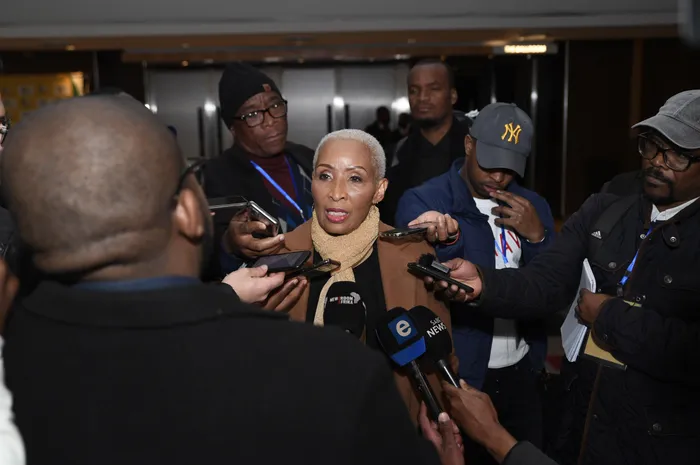
The Supreme Court of Appeal has dismissed the latest bid by Ria Ledwaba and Solly Mohlabeng to overturn the 2022 SAFA election results. Photo: Backpagepix
Image: Backpagepix
SAFA has welcomed a decisive judgment from the Supreme Court of Appeal, dismissing the latest legal attempts by Ria Ledwaba and Solly Mohlabeng to overturn the results of the 2022 SAFA Presidential elections.
The outcome marks the sixth failed legal endeavour by the duo in a mere three years, signalling a determined effort to disrupt SAFA’s ongoing commitment to advancing football in South Africa.
In October 2022, following their significant defeat in the SAFA Presidential elections, Ledwaba and Mohlabeng initially challenged the election’s legitimacy. Last month, they turned to the Pretoria High Court to seek a declaration that the election results were invalid, arguing that the process lacked integrity.
However, the court firmly rejected their application, emphasising that such efforts were an unwarranted distraction from SAFA’s core mission.
This latest Supreme Court ruling reinforces earlier judgments that consistently affirmed the integrity of SAFA’s electoral processes. In a previous contestation, the applicants sought leave to appeal under Section 17(2)(f) of the Superior Courts Act, hoping to persuade the President of the Supreme Court of Appeal to reconsider earlier dismissals.
Unfortunately for Ledwaba and Mohlabeng, the court found no merit in their arguments, stating that they failed to illustrate that denying their special leave to appeal would result in a grave injustice or undermine the justice system.
The Pretoria High Court had recognised that Ledwaba and Mohlabeng no longer held membership or any authoritative positions within SAFA, therefore stripping them of legal standing to challenge election disputes. The court was clear that their continuous legal challenges stemmed from a flawed understanding of the SAFA Statutes governing electoral processes.
Their failed attempts were once again emphasised when the High Court, led by Judge Holland-Muter, rejected their application in December 2024, concluding that there were no reasonable prospects of success in their appeal.
SAFA has consistently resisted these ongoing legal challenges, demonstrating its commitment to protecting the rights of its National Executive Committee members and ensuring that elections and organisational processes remain free from outside interference.
The recurrent court victories not only safeguard SAFA’s electoral integrity but also serve as a poignant warning against any attempts to disrupt the association’s governance.
As the SAFA continues its work to develop the sport and foster unity through football, this judicial outcome bolsters its resolve against unwarranted distractions.
SAFA’s dedication to promoting football and social cohesion within communities remains unwavering.