Beyond Transport Month: South Africa needs a real plan to keep children safe


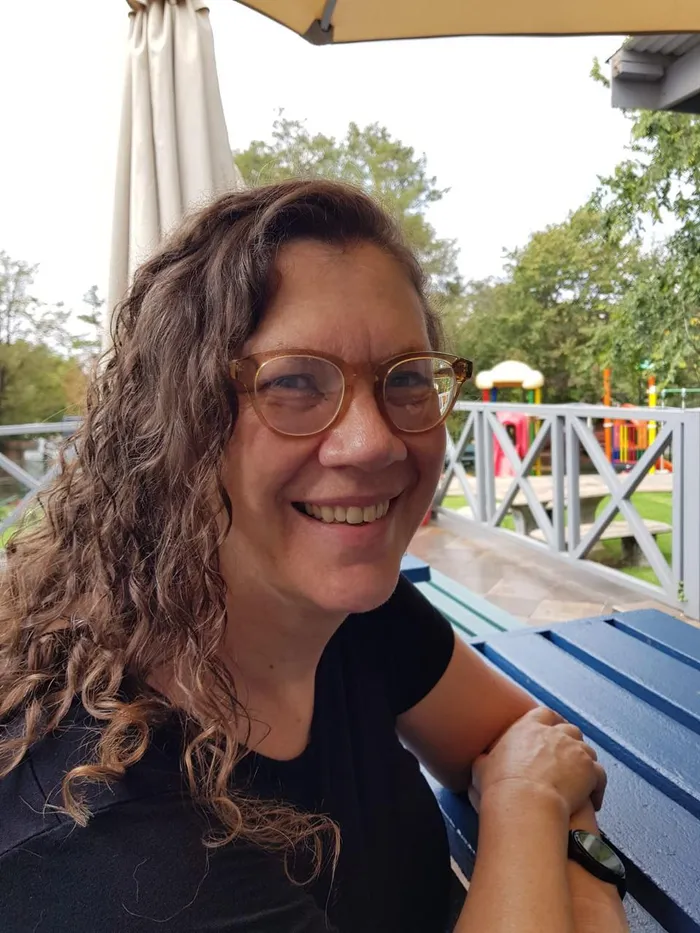
Peggie Mars, founder of the charitable organisation Wheel Well.
Image: Supplied
Driving children to and from school is an act of trust. It requires patience, attentiveness, and a strong sense of responsibility. However, too often, that trust is broken by the unsafe conditions that characterise South Africa’s learner transport system.
Every few weeks, headlines report another tragic accident, such as a taxi overturning, a bus skidding off the road, or a bridge crossing going wrong. The details may vary, but the story remains painfully familiar: children on their way to school, their parents waiting for them to return home safely, and a system that has once again failed to protect them.
When 20 learners were injured near Johannesburg’s Westpark Cemetery after their school transport overturned, their families’ lives changed in an instant. Just days later, another group of learners in Impendle, KwaZulu-Natal, suffered a similar fate when their taxi plunged off a bridge. Behind every statistic are young lives disrupted and families left grieving.
These accidents are not only tragic but also largely preventable. They stem from gaps in enforcement, inadequate vehicle inspections, and drivers who are sometimes ill-prepared or unvetted. They also highlight how disjointed our road safety efforts remain, with various departments and agencies working independently rather than collaboratively.
The trauma from these incidents goes well beyond the crash site. For many children, fear persists long after their physical injuries have healed. Teachers and classmates also carry emotional scars, while communities grapple with understanding why such tragedies keep happening.
Our country observes October as Transport Month, yet for families who have lost loved ones, the observance brings little comfort. It should serve instead as a moment for collective reflection, an opportunity to ask how we can turn awareness into sustained action.
South Africa has strong legislation on paper. Section 28 of the Constitution safeguards the child's best interests, and the Children’s Act affirms their right to safety and care. However, without effective enforcement and coordination, these protections remain largely theoretical.
What is missing is a coordinated approach. A National School Transport Policy, properly funded and implemented, could establish clear and consistent standards nationwide, including vehicle safety requirements, driver vetting procedures, and rigorous inspections. Such a policy would ensure that the safety of learners is a permanent priority, not just an occasional campaign.
Ensuring safer school transport is not solely the government’s responsibility. Parents, communities, the private sector, and civil society all have a role to play. Businesses that offer vehicle maintenance could provide affordable safety inspections. Schools can work with local authorities to identify dangerous routes. Civil society organisations and the media can help maintain public awareness of this issue long after the headlines fade.
Equally important is the need to rebuild trust in enforcement. Enhancing accountability among licensing authorities and traffic officers can help restore confidence in the system. When honesty and integrity guide law enforcement, everyone benefits, especially the most vulnerable passengers among us.
When we make such a call to action, we also need to make it clear that consequences are not only related to law enforcement licensing departments, but drivers and vehicle owners need to be held accountable as well. Drivers are often let off easily, despite being the real cause of many accidents in most cases. The chain of safety must be clear on rights, responsibilities, and consequences – with the law seen to be working for everyone, particularly families left grieving.
Each child who dies or is injured on the road serves as a stark reminder of how urgent this challenge is. The true measure of a compassionate society is in how it safeguards its youngest members. Road safety should not rely on luck, nor be left to chance or convenience.
If we want to build a nation where every child can travel to school safely, we must go beyond slogans and develop effective systems – systems that value every life equally and see each journey as precious. For a parent waving goodbye at the school gate, safety isn't just a policy matter. It is a prayer.
Peggie Mars, founder of the charitable organisation Wheel Well