Gangs provide worth when state fails


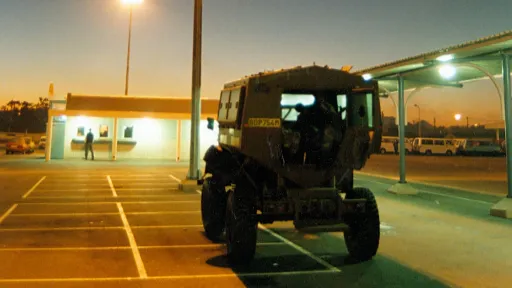
The writer says he watched as the Casspir collected bodies of two boys who were shot and killed.
Image: Benny Gool/Independent Newspapers Archive
Last week, I concluded my column on gangs by arguing that dignity plays a significant role in shaping the functioning of societies.
The absence of reciprocal dignity is a significant contributor to the rise in crime and the growth of gangs. When a society, by design, destroys dignity and opportunity, that society destroys its future.
When systems of governance, in particular in education, health, and economics, stratify their systems to give dignity and opportunity as rewards rather than inalienable rights, a breakdown of societal functionality becomes inevitable.
I have spent my childhood in Bellville South, Athlone and Mitchells Plain. In each of these communities, I saw close friendships drift into gangs. I have been mugged three times over my lifetime.
Once in Hanover Park on a Friday night, once on my way to take a train at Mitchells Plain station, and another while I was exiting a train at Nyanga station to take a bus to Mitchells Plain.
In each of those muggings, the people who mugged me were about my age. In one case, I was still in school; in the other two, I was at university.
I cannot describe the incredible fear that gripped me during each mugging. I have often wondered why I did not resist more aggressively. My reflections have led me to this conclusion: I could not bring myself to physically assault another person for non-life-threatening violence. To do so would perpetuate a cycle in which even minor harm would reinforce reciprocal violence.
I have witnessed violence up close. Lots of it. The first gunshot victims I saw were two boys, aged 11, shot by the riot police in 1985. They were neighbours, just three doors away. I stood next to their bodies, watching them die. No ambulance came. I watched as the Casspir collected their bodies. I later drove their parents to Salt River Mortuary to identify the bodies. Our street was never the same again.
Later, I saw how other teenagers, deprived of dignity and opportunity, turned to gangs. In gangs, they found a place to give vent to their anger. In gangs, they were told someone had their back. It was in gangs that they were told that someone had their back. There, they could express their indignation and the sense that opportunities had been stolen from them. They could crave revenge, and crucially, they entered a system of perverse respect. It wasn't only the absent father or mother. It was the lost opportunity and the accumulation of indignity suffered.
I serve on the board of an organisation that helps paroled offenders reintegrate into society. Ninety-nine percent of these individuals are gang members or former gang members who, through the organisation’s programme, are seeking opportunities to have a better life.
One of the paroled offenders told me that he was arrested while breaking into homes in the Southern Suburbs. He alluded to the idea that he had quietly hoped to be caught. He received a ten-year prison sentence. He later told me that during his trial, he kept looking into the magistrate's eyes, searching for respect.
He found none. His dignity was destroyed early in life, and with it, his sense of opportunity to become someone. The gang took him in; it was there that he found respect. Today, he is helping other parolees rediscover the dignity, opportunity and respect they so crave.
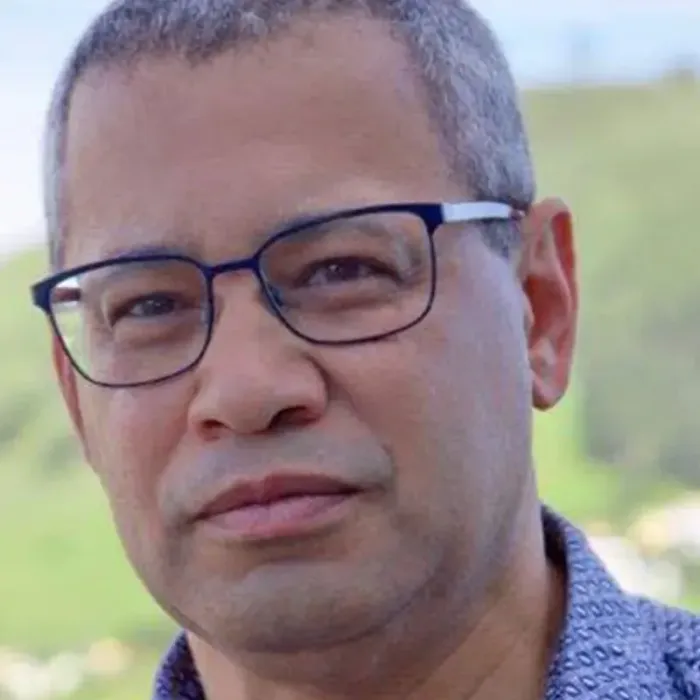
Lorenzo Davids is the Executive Director of Urban Issues Consulting.
Image: Supplied
Unless we can begin to fix the system, we will continue to lose our youth to crime and gangs. Unless early childhood education is strengthened, we will lose this battle. Unless primary and secondary education are filled with life orientation opportunities that reshape the brain and reinforce dignity and opportunity, we will lose this battle. Unless we provide dignified mentorship, meaningful post-school opportunities and walk alongside damaged people until they heal, we will lose this battle.
Unless you have seen, in person, the violent chaos of a township street when a gang fight erupts, you cannot fully grasp how entrenched this problem is. When that sixteen-year-old grips that gun for the first time and squeezes that trigger, he experiences a sense of power and respect he has never experienced from anyone in his life. He may even kill his brother to experience that feeling again. Later that day, the gang will celebrate him. He has never been celebrated before - only scolded by teachers and parents. His first murder. Thereafter, it becomes intoxicating.
He has seen his father’s dignity stripped off him as an unemployed man for over ten years. He has seen his grandmother lie sick in the 'hokkie' in the backyard. He has seen the disrespect his mother endures at the day hospital and the SASSA offices.
He has seen their electricity cut and their water reduced to a trickle. And he has lived through days without food. Within the gang, however, they will respect and reward his skill as a murderer, a drug dealer, or a house break-in specialist. He will be given ‘jobs’ to do, and they will reward him for it. That's how he will return home: not as a gangster, but as a breadwinner.
Later, when he becomes a drug addict, the gang will refuse to give him any more jobs to do. No jobs mean no money and no drugs. It is then when he becomes most dangerous.
We must address the system. The way the State and its civil servants, NGOs and religious institutions treat poor people - and how the media portrays them, either deepens waves of crime and gang growth, or it's the genesis of a formidable frontline that understands that they are the defenders of human dignity, the dispensers of opportunities and the reinforcers of hope.
Poor people do not need to be told to be resilient; their very survival is proof of their resilience. What they deserve is dignity and opportunity. That is how we begin to stem the migration into gangs.