Cecil Theys and Brian Williams: Cape Town's unsung heroes
Love thy labour

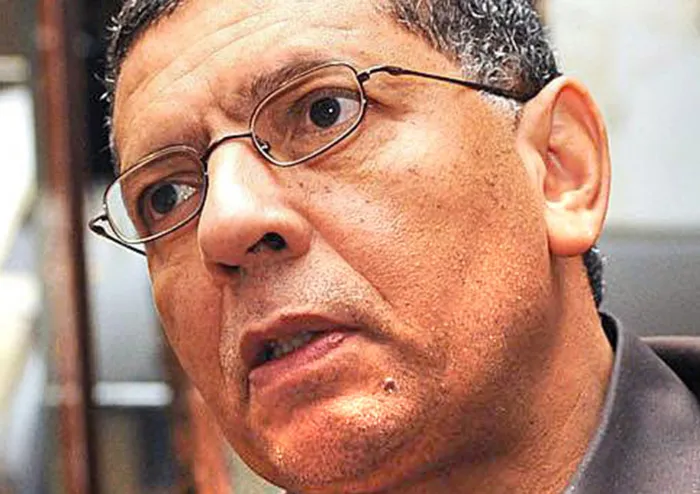
We need to remember the brave and valiant struggles that Professor Brian Williams faced when speaking truth to power against the apartheid government, says the writer.
Image: File
I have been involved in labour law since first being admitted as an advocate in 1982. A few years thereafter I removed myself from the Bar to join the Side Bar in 1986. During my first year of practice as an attorney I was contacted by a French company who were involved in maintenance and repair work at the Nuclear Power Station in Koeberg.
During that time, local artisans were employed through the French company to accomplish the necessary work and maintenance that had to be done. Two of these individuals, Professor Brian Williams and Cecil Theys were recruited for their specialised skills.
Both of these men had been very carefully trained and were sort after artisans. It must be remembered that South Africa was under the heavy yoke of the oppressive apartheid regime. Both Brian Williams and Cecil Theys were well known activists and were doing everything possible, other than violence, to oppose the extremely violent apartheid state machinery.
They were being accused of being agitators and of instigating unrest. In fact, Brian Williams had his apprenticeship contract cancelled and at the time had to take up his case through his union and referred it to the Coloured Affairs Department. Both Williams and Theys worked relentlessly through the Electrical and Allied Trades Union.
On one particular Sunday evening Cecil Theys joined a candlelight vigil outside the SABC building in Sea Point, Cape Town. When Theys arrived at the Koeberg to go through to security to work he was denied entry on the basis that he was with the protesters at the candlelight vigil the night before.
The union took up a labour dispute against the French employer because Theys wasn’t able to report for duty inside the Koeberg premises. The French company contacted me to try and sort out the issue with the South African government so that they could get their employee back at work.
Despite me trying every single avenue no one in government was willing to respond to me at all. I found myself at a dead end. I tried to explain to the union that there was nothing that the employer could do and although they understood me, they were understandably very angry. I asked my client to carry on paying Theys whilst I tried to see if anything could be done. In the meantime, the electrical union in Paris decided to go out on a sympathy strike with their colleagues in the union in Cape Town.
This move created absolute havoc in the streets in Paris. I received an irate call from a gentleman who was shouting at me over the telephone in French. I in turn entered into negotiations with Theys and his colleagues to see if we could stop the strike by settling our dispute in Cape Town.
Eventually Theys agreed to settle the dispute by way of a payment to him and both Theys and Williams went on to represent workers in Cape Town so as to improve workers rights, workers power and a democracy.
In fact, with the advent of democracy in South Africa Brian Williams became the first Head of the Western Cape in the Department of Labour in 1995.
I have always maintained that it was the brave men and women in the trade union movement who were at the forefront of the anti-apartheid movement. In Cape Town in particular the organised unions coupled with a whole host of civil society associations were extremely active. The 1970’s and 1980’s in Cape Town was organised and well structured.
The labour movement was fantastic in the way in which they approached the political involvement. I recall going to trade union meetings on behalf of a few independent trade unions as their representative.
The meetings dealt with the bread and butter issues of employment and thereafter discussed ways and means of opposing the apparatus of the state. It was vital for the trade union movement to be involved in grass roots politics because otherwise many people would have no outlet for their political activism.
We need to remember the brave and valiant struggles that both Williams and Theys faced when speaking truth to power against the apartheid government. We salute them.
* Bagraim is a veteran labour lawyer and Democratic Alliance MP