SA becomes first African country to register anti-HIV jab Lenacapavir, but what is it and why does it matter?
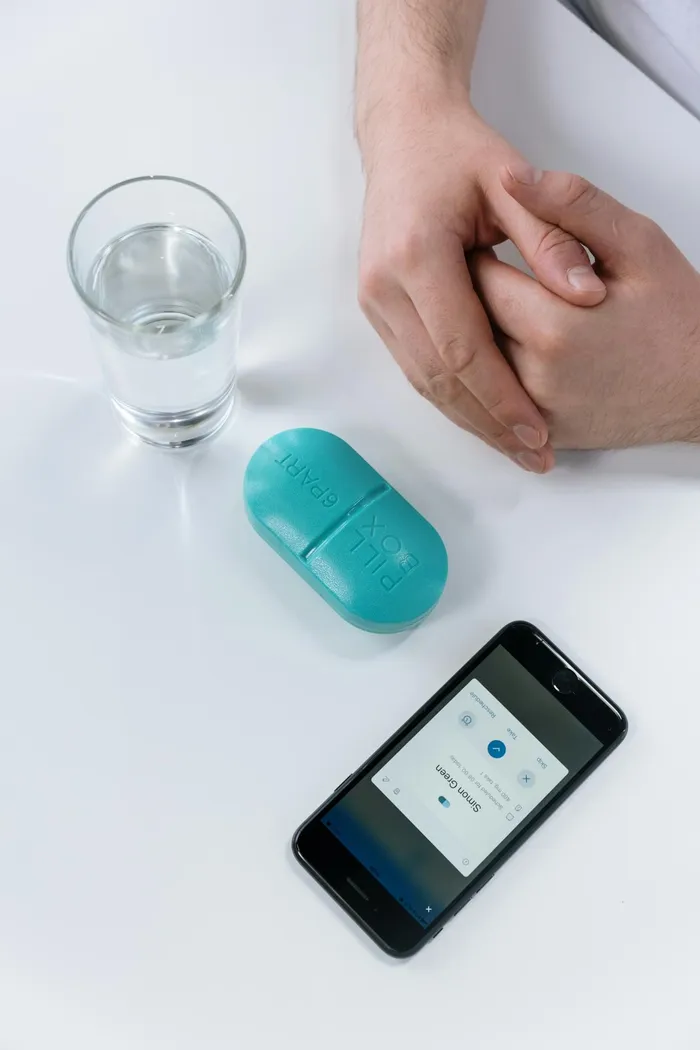
South Africa is the first country in Africa to register lenacavapir.
Image: Pexels
The fight against HIV/AIDS in South Africa received a historic boost earlier this week as the South African Health Products Regulatory Authority (SAHPRA) announced the registration of lenacapavir.
South Africa is now the first country on the African continent to approve this new anti-HIV injection. Experts globally have called lenacapavir a ‘wonder drug’ and hailed its approval as a major breakthrough.
SAHPRA CEO, Dr Boitumelo Semete-Makokotlela, affirmed that the product is the most effective HIV prevention measure thus far.
What is Lenacapavir?
Lenacapavir is an antiviral medicine recommended for pre-exposure prophylaxis (PrEP) to prevent new HIV-1 infections. Unlike previous oral PrEP medications that must be taken daily to be effective, lenacapavir offers longer protection.
This revolutionary drug requires only two annual doses, protecting for six months at a time. It is administered as a six-monthly subcutaneous injection, which is just under the skin, along with tablets taken on the first two days as an initiation dose.
How does Lenacapavir work? The drug is designed to work by disrupting the HIV at multiple stages. This aims to undermine its ability to replicate and cause illness if it enters the body.
Lenacapavir is intended for adults and adolescents weighing at least 35 kg who are HIV negative and at risk of contracting the virus. While lenacapavir provides powerful protection, SAHPRA stresses that it should always be used alongside safer sex practices, such as using condoms, to reduce the risk of acquiring other sexually transmitted infections.
Why Lenacapavir matters for South Africa
Lenacapavir’s registration is considered a game-changer, given the high prevalence rate of HIV in South Africa.
In 2023, UNAids reported that about 7.7 million people were living with HIV in the country.
Health Minister, Dr Aaron Motsoaledi, highlighted that the drug has the potential to address critical gaps in the country’s current HIV prevention methods. While injectable PrEP (cabotegravir) was previously approved, it required administration every two months.
Lenacapavir’s twice-yearly schedule requires fewer appointments and is easier to administer, making adherence simpler and removing some barriers related to stigma and reliable access.
The process to secure this drug moved swiftly, with the US-based biopharmaceutical company Gilead submitting its application to SAHPRA in March 2025. SAHPRA’s review process was expedited through collaboration with the European Medicines for All Procedure (EU-M4all), a pathway that strengthens regulatory systems and accelerates access to essential medicines.
Globally, the initial price tag for lenacapavir was reported to be more than $28,000 per person per year. However, accessibility for low- and middle-income countries, where HIV is spreading most rapidly, depends entirely on making the drug affordable.
In a victory for public health, Minister Motsoaledi announced earlier this month that the government has secured a deal where Gilead and six pharmaceutical companies (including one in Egypt) will produce the injection for US$40 per person per year. This represents a cost reduction of 700 times compared to the initial high price. Generic versions are also planned through partnerships with pharmaceutical companies like Hetero and the Gates Foundation.
Looking ahead, South Africa plans to launch the groundbreaking prevention method as early as March 2026. The government aims to integrate lenacapavir into domestic financing mechanisms, with routine funding planned after two years, while actively pursuing local manufacturing capabilities.
IOL