Rising taxi fares on the horizon for Cape Town commuters


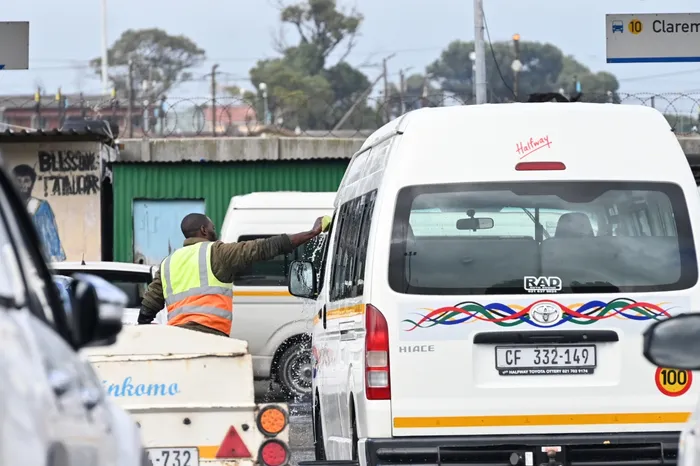
According to a briefing held after a meeting between the Cape Amalgamated Taxi Association (Cata) and Congress of Democratic Taxi Associations (Codeta), a taxi fare increase is likely.
Image: Ayanda Ndamane/ Independent Newspapers
Taxi fare increases are looming for commuters across Cape Town, with taxi associations confirming a hike is now almost certain.
This follows a landmark peace meeting between rival groups Cape Amalgamated Taxi Association (CATA) and Congress of Democratic Taxi Associations (CODETA).
The meeting, held at the Nyanga terminus on Monday, brought together leadership from both associations in a bid to end years of violent conflict that has claimed lives and disrupted transport for thousands of commuters.
Speaking after the meeting, CATA chairperson Nkululeko Sityebi described the gathering as one of the most "significant engagements between the two bodies in recent years".
"There has been a lot of bloodshed, members have died, drivers, leaders, and the impact on commuters has been felt by many of them. But yesterday everything changed." he said, adding that the process marked a turning point towards rebuilding trust.
Despite the breakthrough on peace, chairpersons from the associations confirmed that rising fuel costs dominated discussions and that commuters should prepare for fare increases.
"We will surely increase it," said CODETA chairperson Nceba Enge.
"We just don't know when this will come in effect."
He said recent fuel hikes have severely strained operators, with some drivers unable to meet monthly financial obligations.
"The fuel increases have impacted negatively on the members as some of us could not have enough money to pay their bills at the end of last month due to the increase of fuel," Enge said.
"With fuel increase, members don’t get enough money at the end of the day when they collect in order to make sure they have enough for instalments, which negatively affects the business."
He added that while an increase is inevitable, details are still being finalised.
"We don’t know yet how much it will be at the moment and we don’t know when, at the moment."
This comes as South Africans were hit with fresh fuel price increases at the start of May, with both petrol and diesel prices rising at the pumps.
The latest adjustment has added pressure on transport operators nationwide, with the cost of fuel remaining one of the biggest drivers of operating expenses in the taxi industry, a factor associations say leaves them with little choice but to pass costs on to commuters.
Enge emphasised that the renewed relationship between the associations was central to stabilising the industry.
"Building relationships between associations to make sure that everyone can see that there is a need to do so and that everyone can see that CATA and CODETA are trying to make peace in the Western Cape taxi industry," Enge said.
Sityebi further noted that since the protest action on March 9, which saw tensions spill onto Cape Town’s roads, there had been improved cooperation between taxi bodies and South African Police Service.
"Since the protest action that took place, there has been a noticeable improvement in the efforts and the relationship between SAPS and the taxi associations," he said.
"We have outcomes that we have in place including accountability measures which will help us stick to the plans that we have in place around ensuring the safety and strength of the relationships between associations for the benefits of the industry and commuters."
On fare adjustments, Sityebi said increases would differ depending on routes.
"There will be changes to the taxi fare prices for local and for long-distance taxis. We don’t want commuters to be shocked and surprised as if they did not get any notice of this taking place," he said.
"We are still negotiating between associations on how much we will increase prices by because distances are not the same."
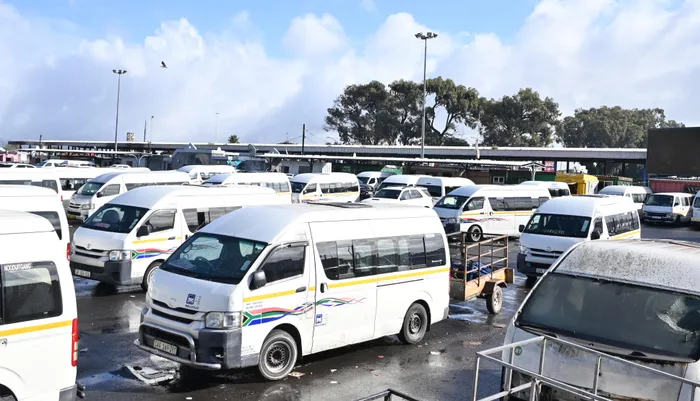
The associations acknowledged the impact of these increases on both taxi owners and commuters across the region and indicated that discussions are ongoing to find a sustainable way forward.
Image: Ayanda Ndamane / Independent Media
He said local fares would vary based on distance, while long-distance routes, jointly operated by CATA and CODETA, would have standardised pricing.
"For example, from Nyanga to town will differ to Khayelitsha to town because of the distance," he said.
"We know and understand that our commuters will struggle with price increases, similarly to the way that the drivers are struggling with the fuel increases. We consider them, it’s just that the war is hitting us as drivers and as an industry."