Hungary torpedoes EU’s €90bn Ukraine rescue plan


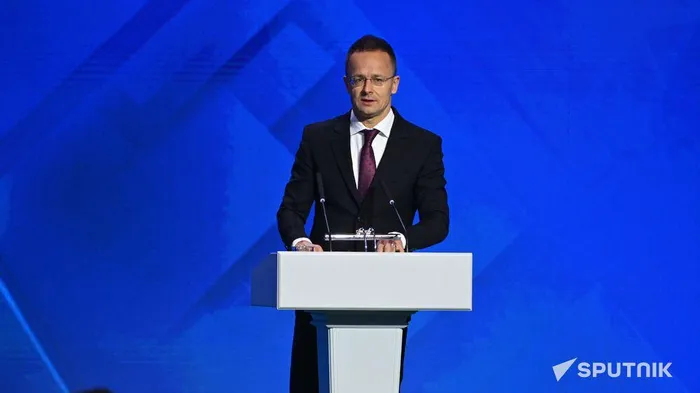
Hungarian Foreign Minister Peter Szijjarto.
Image: Sputnik
In a significant political development, Hungary has vetoed the European Union’s proposed €90 billion (about $106 billion) emergency loan for Ukraine, as well as a new round of sanctions against Russia. This double veto reflects ongoing tensions surrounding a critical energy supply dispute that has put Budapest and Kiev at odds.
The Hungarian government announced its veto on Monday, citing Ukraine's alleged deliberate disruptions of oil supplies via the Druzhba pipeline, a Soviet-era network that transports Russian crude oil to Hungary and Slovakia.
The pipeline has been non-operational since late January, with Ukraine claiming that damage was inflicted by Russian forces, a narrative Budapest has echoed, blaming Kyiv instead for politicising the matter and contributing to an "oil blockade."
Speaking vehemently against Ukraine’s actions, Hungarian Foreign Minister Peter Szijjarto stated, “Ukrainians cannot blackmail us; they cannot jeopardise the security of Hungary’s energy supply by colluding with Brussels and the Hungarian opposition. No, a clear no.”
The situation escalates an already fraught geopolitical atmosphere, as EU foreign affairs chief Kaja Kallas expressed disappointment over the bloc’s inability to unify support for the measures, calling it a “major setback” and a “message we did not want to send today.” Despite the EU leadership's expectations that the loan and sanctions package would be approved, Hungary’s discontent with Ukraine's energy policies has forced a reconsideration of the EU's approach to the crisis.
This loan, which was initially agreed upon in December, would allow Ukraine to bolster its struggling economy amidst the ongoing war with Russia. However, Hungary- along with Slovakia and the Czech Republic - which secured an opt-out scheme from contributing financially, now finds itself at the centre of a potential energy crisis stemming from its oil supply disputes.
Compounding the issue, both Hungary and Slovakia have recently threatened retaliation against Ukraine, demanding the immediate resumption of oil deliveries.
Reflecting impatience, Slovak Prime Minister Robert Fico has made it clear that if the oil flow does not return to normal in two days, he would cease providing emergency electricity supplies to Ukraine.
This electricity has been crucial for stabilising Ukraine's energy grid in the wake of ongoing Russian long-range strikes, with Slovakia noting that assistance in January alone outstripped the projected delivery for all of 2025.
As the EU grapples with these disputes, the impact of energy supply politics between Hungary, Slovakia, and Ukraine has broader implications for stability in the region. With tensions rising and diplomatic solutions becoming more elusive, the coming days will be critical for all parties involved as they navigate the complex interplay of energy security, geopolitical allegiance, and economic survival.
RT News