More than graduation: How CPUT empowers students for a brighter future


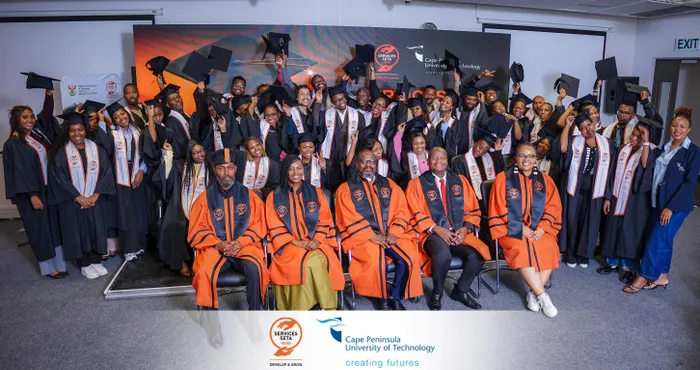
Many of the graduates represented a generation that did not necessarily follow the traditional path of passing matric and moving directly into university.
Image: Supplied
What stood out most during the recent Cape Peninsula University of Technology Services SETA Certificate Handover Ceremony was that this was not only a celebration of qualifications but the visible hunger from young people determined to rebuild their futures through opportunity.
Many of the graduates represented a generation that did not necessarily follow the traditional path of passing matric and moving directly into university. For some, this platform became a second chance; an opportunity to upskill, train and empower themselves for industries that desperately need skilled young professionals.
There was strong emphasis from the distinguished speakers throughout the event - ‘on moving away from the damaging perception that government-supported programmes produce “easy come, easy go” beneficiaries with little long-term impact.’
Instead, the graduates were encouraged to become part of a cycle of sustainability by eventually giving back to the next generation entering the system they benefited from and were getting ready to come out of.
Equally important was the honest conversation around mental health challenges facing students navigating post-school education and training institutions.
“We are looking at unlocking the full potential of a student,” SARATEC Acting Corporate Executive Manager Ms Duduzile Mwelase explained, adding that awareness campaigns, coaches and professional support systems are now being introduced to help students navigate anxiety, self-doubt and pressure.
The institution acknowledged that many students from disadvantaged communities arrive carrying invisible burdens linked to poverty, trauma and low confidence.
In the room was a father and son, who were there to support Mom on her big day, after what was a road full of sacrifices, and this day was another mark on the road to uMama getting her groove back.
“Some students drop out not because they are not intelligent enough or hardworking enough, but because of the anxiety and different issues they are faced with daily,” the representative added.
What emerged was a powerful reminder that education alone is not enough. Support, belonging and human connection may ultimately be the difference between students surviving institutions or flourishing within them.