Dredging of Zeekoevlei: Sediment removal efforts continue


Dredging under way at Home Bay section of Zeekoevlei.
Image: Supplied
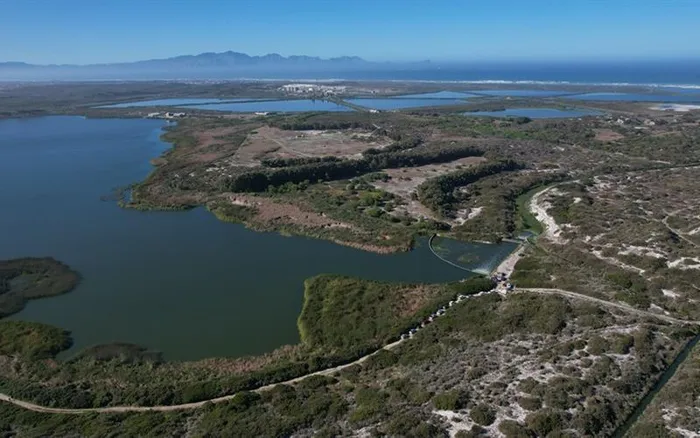
Dredging of Zeekoevlei in the False Bay Nature Reserve is progressing well, the City says, with the dredger now operating from Home Bay, after the dredging of Storm Bay concluded last month with 207 000m³ of sediment removed.
The City started with its first vlei dredging in 42 years on June 30, with a floating suction dredger and a team of 15 personnel.
Since then, the floating dredger has been operating from Storm Bay for about 10 months where up to 207 000m³ of sediment have been dredged.
Earlier this month, the dredger was moved to Home Bay to commence with the dredging of 157 000m³ of sediment.
If all goes as planned, the dredging project should be concluded early in 2027, the City said.
"The dredging of Zeekoevlei is a key investment and delivers on our commitment to restore, improve and protect our vleis. With the dredging, we are removing the sediment that has accumulated over time, and reducing nutrient build-up that contributes to poor water quality," said Deputy Mayor and mayco member for Spatial Planning and Environment, Eddie Andrews.
Given that Home Bay is further from the dewatering site, the contractor had to install an additional 2 000m of pipeline, as well as a booster pump.
"The dredger is moored with 2.5-ton concrete mooring blocks. All 16 mooring blocks were moved from Storm Bay to Home Bay during the relocation to this section of the vlei. The dredger itself was disconnected from the pipeline in Storm Bay and towed to Home Bay with a support vessel. This operation and the preparations for the dredging of the second section took about three weeks," Andrews said.
The dredged sediment is being pumped from Zeekoevlei via a 6.3 km long slurry pipeline to ponds for dewatering and storage.