R302 billion budget for social development SRD grant extended until 2027


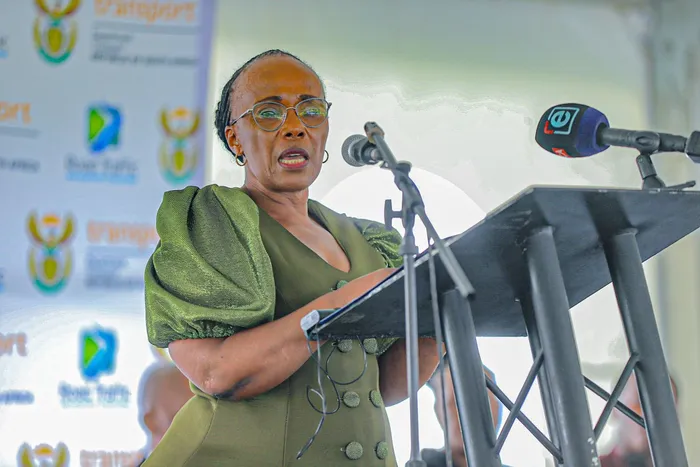
Acting Social Development Minister Sindisiwe Chikunga tabled the R302 billion Budget Vote 19 in the National Assembly in Cape Town, outlining continued support for social grants and the extension of the SRD grant.
Image: File
The South African government has allocated R302 billion to Social Development for the 2026/27 financial year, primarily for social grants to support millions of citizens facing rising living costs.
Acting Social Development Minister Sindisiwe Chikunga tabled Budget Vote 19 in the National Assembly in Cape Town on Tuesday, highlighting the role of social protection in addressing poverty and inequality.
"Honourable Members, the department tables a total allocation of R302 billion for the 2026/27 financial year," Chikunga said.
Of this amount, R293 billion has been set aside for direct monthly transfers to beneficiaries, including children, older persons, and people with disabilities.
"R293 billion is allocated for monthly direct transfers… as part of our social assistance programme," she said.
The budget also allocates R36.4 billion to continue the Social Relief of Distress (SRD) grant, extended until March 2027.
The SRD grant currently supports around eight million working-age South Africans, who are unemployed and unable to support themselves or their families.
She said the budget was being tabled under difficult economic conditions, with global and domestic pressures driving up the cost of food, fuel, and other essentials.
"Geopolitical tensions are worsening the cost of living, including the cost of food, fuel, and other necessities."
Despite this, Chikunga said social grants continued to play a critical role in improving livelihoods and supporting long-term development.
Research cited in the speech showed that grants not only reduce poverty, but also enable recipients to pursue education, start small businesses, and access employment opportunities.
"Our grants have enabled beneficiaries to pursue diverse livelihoods… and invest in a child’s education," she said.
The minister also pointed to improvements in education outcomes among grant recipients, particularly those receiving the Child Support Grant.
"84.2% of learners who wrote matric in 2025 were recipients of the Child Support Grant."
She said pass rates among these learners had improved significantly, demonstrating the long-term impact of social support interventions.
However, Chikunga acknowledged ongoing challenges, stating that the Child Support Grant remains below the food poverty line.