Western Cape dams surge above 70% capacity after severe storms


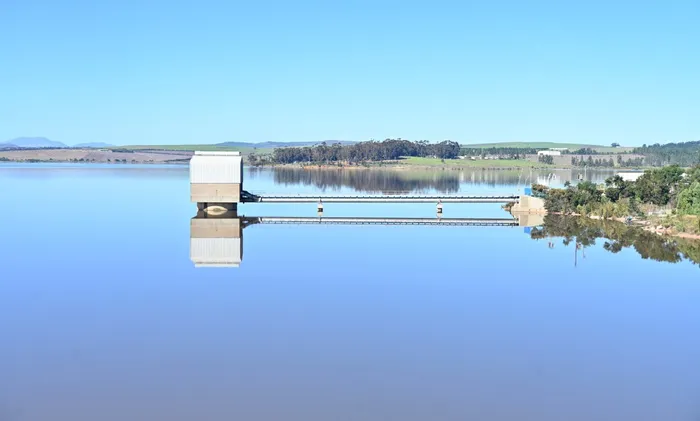
Following severe storms that caused widespread damage and loss of life, Western Cape dam levels have surged above 70% as recovery efforts are underway.
Image: Ayanda Ndamane
In the wake of the devastating storms that struck the Western Cape last week, dam levels have surged to over 70%, providing a brief respite. However, authorities are still grappling with widespread flood damage, infrastructure destruction, and the tragic loss of 11 lives.
Premier Alan Winde and Western Cape Local Government, Environmental Affairs and Development Planning Minister Anton Bredell said disaster response and recovery operations remain in full swing across several hard-hit districts.
The province’s combined dam levels rose dramatically from 52.46% last week to 70.59% after multiple cold fronts brought torrential rain, gale-force winds, flooding rivers and overflowing dams to large parts of the province.
Authorities recorded rainfall between 150mm and 200mm in mountainous regions, while wind speeds reached between 100km/h and 120km/h in certain areas.
The Cape Winelands District and parts of the West Coast were among the worst affected regions, including Worcester, Rawsonville, Ceres, Wolseley, Citrusdal, Wuppertal, Vredendal and Lutzville. Informal settlements and floodplain areas in the City of Cape Town also experienced severe flooding.
Premier Winde said recovery efforts were progressing, although significant challenges remained.
“There has been good progress. But there is still a lot of work ahead. All our disaster management teams and other stakeholders are working as hard as they can to reopen all roads, repair damaged infrastructure, and restore critical services,” he said.
Winde, joined by several provincial cabinet members and officials, conducted an aerial assessment of some of the worst-hit areas on Monday to evaluate the scale of destruction and estimate recovery costs.
The latest weather disaster is also being assessed for possible classification as a national disaster.
Electricity restoration remains one of the province’s major priorities, with Eskom teams and municipalities working to reconnect affected communities.
“But teams are encountering significant accessibility challenges in some areas, hampering their work,” Winde said.
Humanitarian relief operations are continuing across the province, with thousands of residents receiving emergency assistance including food parcels, cooked meals, drinking water, blankets and hygiene supplies. Temporary shelters also remain operational in several districts for displaced families.
The Premier also extended condolences to the families of those who died during the storms.
“Our thoughts are with the families and loved ones of the 11 people who died,” Winde said.
He further thanked disaster management officials, volunteers, NGOs and national government partners for their ongoing support during the emergency response operations.