Transport fare hikes in South Africa create barriers for students' education


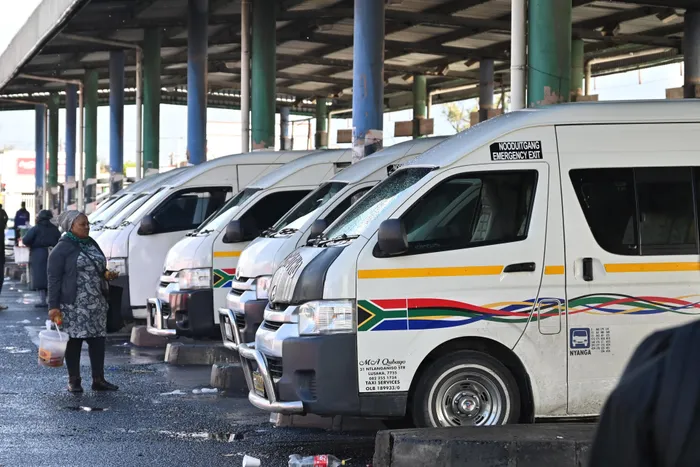
Millions of South Africans, workers, students, and small business owners, pay the price daily in longer commutes, higher costs, and personal insecurity.
Image: Ayanda Ndamane / Independent Media
Students across South Africa are facing a crisis as transport costs continue to rise sharply, with taxi, bus, and train fares increasing significantly.
Many students, particularly those from low-income families, are struggling to afford daily commutes, which is impacting their ability to attend classes.
As a result, some students are compelled to walk long distances, skip classes, or forgo meals just to reach their school or campus.
Rising transport costs are causing significant stress, frustration, and a sense of hopelessness among many students. The constant worry about affording daily travel to school or campus often leaves them feeling emotionally drained.
This financial strain directly impacts their academic life, leading to poor concentration and academic performance, as many are forced to arrive late, miss classes, or walk long distances to save money.
Student Siya Dikiza highlighted the financial difficulties he faces, stating, “Sometimes I choose between buying lunch and paying for transport.” He explained that he is trying to avoid putting extra strain on his family, who are already offering substantial support.
Although the train is a cheaper alternative, Dikiza stopped using it because of its unreliability. He recalled instances where he would arrive at the station on time only for the train to be delayed, causing him to be late for class.
Dikiza stated that the high cost of transport in Cape Town is a significant barrier, particularly for prospective university students needing to travel for application purposes but lacking the necessary funds.
“Going to UCT/UWC or CPUT using a bus before 8am from Khayelitsha is almost R40 if not R50,” he added, highlighting the financial burden.
Bongeka Dodeni, another student, explained that her frequent use of Uber is primarily motivated by safety concerns. "The trains that are reliable are the early ones between 5am and 6am, but those are the times when robbers are more likely to rob you. I cannot risk that," she shared.
The rising petrol prices are exacerbating the situation, especially since taxi associations are also planning to increase their fares.
Bongeka lamented, "We do not know where to turn. Students face a difficult choice: they must either pay for costly accommodation close to campus or opt for cheaper housing and endure the expense and hassle of transportation," she said.
Bongeka emphasised that the government should implement free or discounted public transport passes (bus, taxi, and train) for students, drawing a comparison to the free travel currently afforded to police officers on Golden Arrow buses.