The mental health crisis of South Africa's unemployed youth


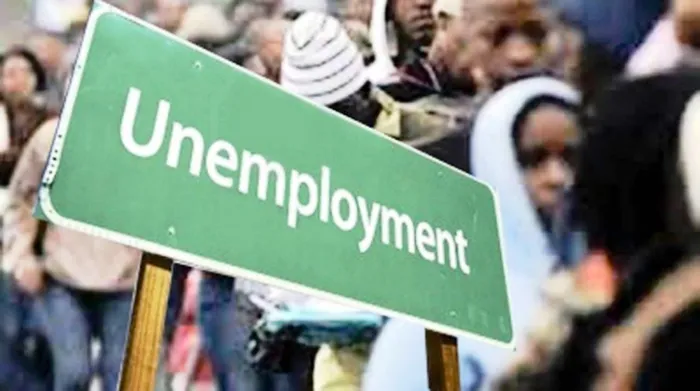
Unemployed graduates across South Africa face a tough job market, with many struggling to find work despite holding tertiary qualifications.
Image: File
South Africa is facing a youth unemployment crisis, with the unemployment rate for young people exceeding 60%.
Each day, throughout Cape Town, thousands of young people face the daily burden of rejection, financial strain, and an uncertain future.
Battling one of the world's highest youth unemployment rates, the country is home to many who feel forgotten and hopeless. The ongoing struggle to secure employment has consequently fuelled rising levels of depression, anxiety, and stress among youth.
Unemployment has taken an emotional toll on Sibusiso Ndlovu (23), a graduate with an honours degree. "At first after tertiary education, I thought I would quickly get a job and help at home, but as months passed I started stressing and disappointed," he shared.
Sibusiso mentioned that the high rate of youth unemployment in the township sometimes makes it feel "normal," but, however; he admitted that "deep inside it hurts."
Sibusiso highlighted the difficulty of dealing with silence and rejection in his job search. "I apply for jobs online and hand in my CVs, but most of the time, nobody responds," he shared.
The financial strain of job seeking is an additional challenge, as he needs money for transport and printing CVs, funds he currently lacks. He explained that social media exacerbates the struggle: "I see people of my age succeeding while I am struggling, I lose confidence and begin to doubt my abilities."
Sibusiso expressed constant anxiety about his future, specifically the prospect of aging without a reliable income source. He noted that the rising cost of living and the high unemployment rate are making life increasingly challenging in South Africa, contributing significantly to his worries.
His family offers emotional support, encouraging him to persevere and never surrender. However, while the encouragement is constant; it remains limited to words, as they are unable to provide financial assistance.
"Being unemployed has profoundly affected my mental well-being," Sibusiso confessed. "There are days when the sadness is overwhelming, and I just stay indoors because I feel like people don't understand what I'm going through. I try to stay strong, but the moments when the sadness becomes too much are difficult."
Sibusiso challenged the common misconception that unemployed youth are lazy or unserious, stating that society often fails to grasp the reality of their struggles.
He emphasised that, in truth, many young people are diligently seeking employment. His recommendation is for people to cease judgment and instead offer greater support to the youth.
Sibusiso stressed the need for the government to enhance career guidance and mental health support services available in townships.
He highlighted that many young people require a secure environment where they can discuss stress and depression openly and without fear of stigma. Furthermore, he called for an increase in job opportunities and skills development programs aimed at youth.