The hidden financial gap in Cape Town's municipal accounts


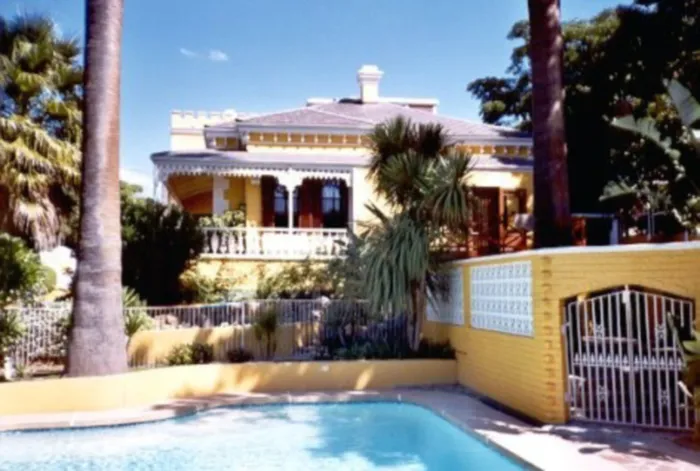
A significant number of Cape Town property owners eligible for relief remain unaware of their status or have neglected to apply for reclassification following a change in their personal circumstances.
Image: Unknown
A significant financial gap has emerged within thousands of municipal accounts across the City of Cape Town, raising concerns for property owners.
According to Steer & Co, a leading property management and brokerage firm, the classification of properties—ranging from residential to industrial and commercial—directly impacts how the City levies rates.
With 18 distinct categories, each carrying its own rate, many property owners may be unaware of their potential overpayments due to misclassification.
“For 2026/27, the residential rate is proposed at 0.006428 cents in the rand. The business and commercial rate is 0.015106. More than double.
“On a property valued at R3 million, that gap is roughly R25 434 a year. That is not a rounding error.”
For straightforward residential properties, categorisation is usually clear, says Steer & Co.
However, it says there are situations where the lines blur, and owners can sit in the wrong category for years without realising it.
Short-term letting is the most common example right now, it adds.
According to this company, the City of Cape Town's draft rates policy for 2026/27 includes a specific threshold.
It says that if a property's short-term letting availability exceeds 50% of total annual room nights, the Municipal Valuer may classify it as business and commercial rather than residential.
“So if you are listing a property on a short-term platform for more than half the year, you may no longer be paying residential rates. You may be paying commercial rates. And the difference, as the numbers above show, is significant.”
The brokerage says every year when the City publishes its budget and rates policy, there is an opportunity to look at one's property with fresh eyes:
- Is it classified correctly?
- Has anything changed about how it is used?
- Are there relief provisions that apply but have not been applied for?
These are not complicated questions, it adds.
“But they are the ones that tend not to get asked until something goes wrong.”
In April, the Western Cape High Court ruled against the City of Cape Town’s fixed tariff structure. It declared fixed charges linked to property values, such as cleaning, water and sanitation, unlawful, declaring these must be removed by June 30.
“If upheld, this should bring some measure of relief to property owners, particularly as Cape Town is home to some of the continent’s most expensive property,” said Justin Thom, director at Galetti Corporate Real Estate.
In July last year, and after adoption by the City of Cape Town of the 2025/26 budget, the South African Property Owners’ Association (SAPOA) instituted legal action against the City of Cape Town to challenge the city-wide cleaning tariff, the basic water tariff, and the basic sewerage tariff, all three of which are calculated according to property value bands.