PICS | Destructive storm leaves Cape Town communities in turmoil


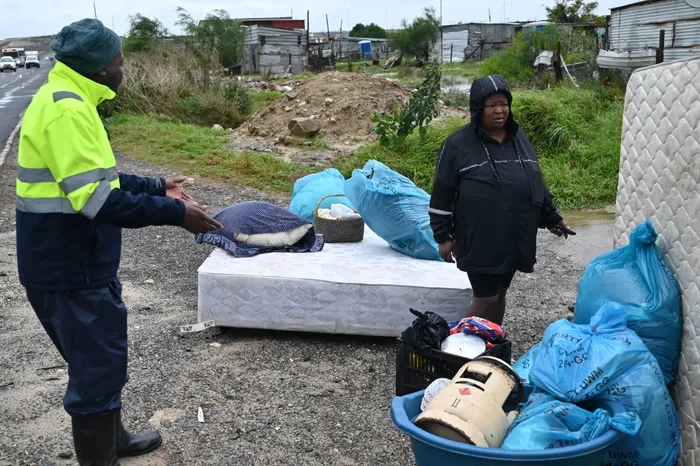
The Island Informal Settlement in Khayelitsha faces severe flooding, leaving families struggling amid the aftermath of heavy rains in Cape Town. Some residents stood outside, surrounded by soaked mattresses, desperately looking for shelter.
Image: Ayanda Ndamane/ Independent Newspapers
On Monday, Independent Newspapers photographer Ayanda Ndamane travelled across Cape Town documenting the destruction left behind after severe storms battered parts of the Western Cape.
The morning started on Klipfontein Road, where water covered parts of the roadway, forcing traffic to divert. Some drivers ignored the warnings, believing they could make it through the floodwater. A black Audi became stuck in deep water while a white bakkie struggled nearby with a wheel problem.
From there, the journey continued to Burundi informal settlement near the banks of the Kuils River. Heavy rain poured relentlessly as roads leading into Khayelitsha became dangerous for motorists and pedestrians. In Qandu Qandu informal settlement, flooding became severe, forcing residents to leave their homes and seek shelter at the nearby White City Community Hall.
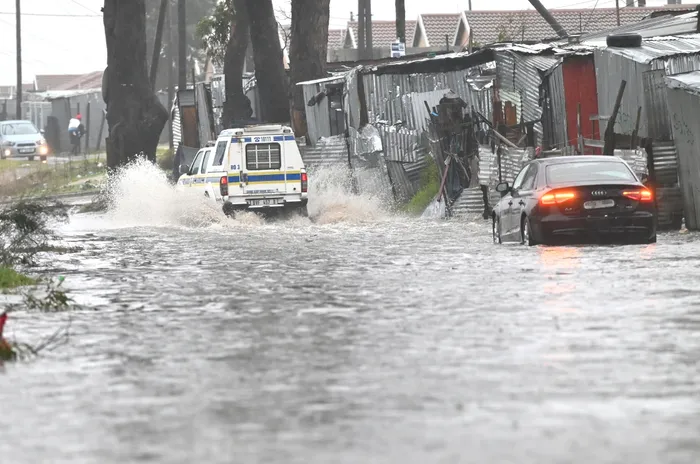
Motorists brave the flooded Klipfontein Road near Mfuleni.
Image: Ayanda Ndamane/ Independent Newspapers
The next stop was Somerset West, where strong winds and rain caused damage across several areas. At Beaumont Primary School, fallen trees damaged property and trapped teachers’ vehicles while roads were blocked by debris. Roads were blocked by fallen trees while parts of Somerset looked like a ghost town after the storm.
In Strand, children turned flooded streets into playgrounds, swimming and laughing in the water while parents worried about damaged homes, soaked furniture and where they would sleep at night.
The storm continued leaving destruction across Cape Town. In Wynberg, roofs were blown away by powerful winds, proving the severe weather was affecting both informal settlements and formal residential areas. In Ottery, flooding on the M5 under the bridge caused major traffic congestion while City of Cape Town teams worked tirelessly to clear blocked drainage systems.
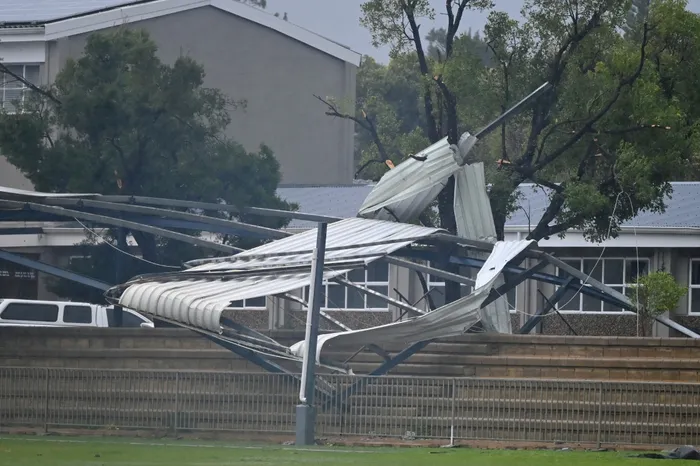
Beaumont Primary School in Somerset West suffers damage from the storm, as fallen trees and debris disrupt the learning environment.
Image: Ayanda Ndamane/ Independent Newspapers
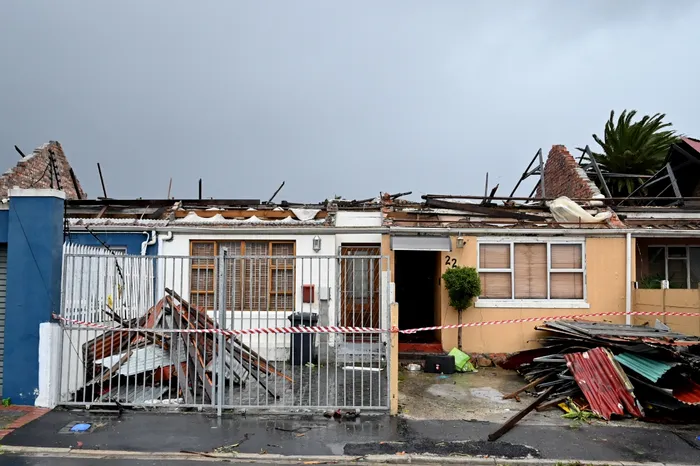
In Wynberg, several homes bear the scars of the storm, showcasing the structural damage inflicted by the fierce weather.
Image: Ayanda Ndamane/ Independent Newspapers
At Monwabisi informal settlement, strong winds tore roofs apart, exposing dangerous wires. Councillor Lonwabo Mqina went door-to-door, checking on residents and ensuring their safety.
The final stop was Island informal settlement in Makhaza, one of the hardest-hit areas. Over 200 homes were flooded, leaving families to sift through their losses of furniture and clothing. Some residents stood outside, surrounded by soaked mattresses, desperately looking for shelter.
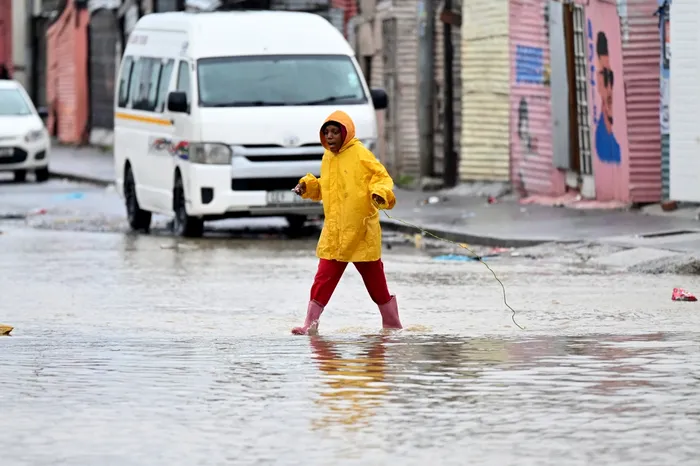
Lwandle in Strand is one of the hardest-hit areas.
Image: Ayanda Ndamane/ Independent Newspapers
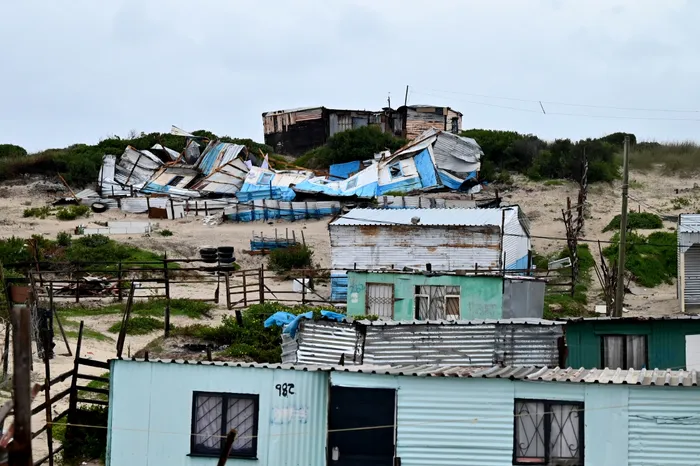
Monwabisi Park informal settlements in Khayelitsha display the devastation caused by the storm, with damaged structures leaving residents in distress.
Image: Ayanda Ndamane/ Independent Media
Travelling across Cape Town on Monday painted a stark picture of how differently communities experienced the aftermath of the storm. It exposed what many call the tale of two cities.
While roads and fallen trees were quickly cleared in affluent suburbs, residents in informal settlements across Khayelitsha and Mitchells Plain continued standing in floodwater, uncertain of what the coming days would bring as more rain was expected over the province.