How mobile clinics are transforming healthcare access in Western Cape farming communities


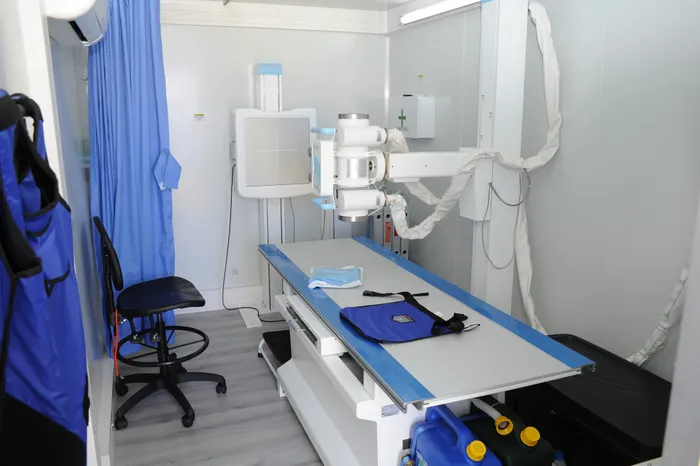
Mobile clinics provide a full range of healthcare services to farming communities in the Western Cape, including immunisation for newborns.
Image: Henk Kruger/Independent Newspapers
For years, residents in Western Cape's farming communities faced long walks or unaffordable transport costs to reach healthcare clinics.
Mobile clinics in the Northern Tygerberg district now serve 400 patients monthly across areas like Klipheuwel, Philadelphia, Mikpunt, and Joostenbergvlakte, covering over 63 000 hectares and catering to a rural population of more than 512 000.
The Western Cape Department of Health and Wellness has said its mobile outreach programme has continued to play an important role in extending healthcare services to farming communities located far from fixed clinics.
The department has noted that mobile teams currently service 56 farms in the area, increasing to 62 mobile teams during peak farming seasons.
Klipheuwel resident Berna-Lee Thompson explained that the service has reduced one of the biggest barriers many residents face: transport costs
Many people in Klipheuwel are unemployed and cannot afford transport to the Durbanville CDC, so having this service available to us a few steps away from our doors is extremely valuable for our community,” Thompson said.
Thompson also highlighted how the clinics provide residents easier access to healthcare advice and early intervention.
“Sometimes people simply want to ask a few health-related questions or get advice when their babies are unwell. With this service in our area, community members come not only for care but also to learn,” she said.
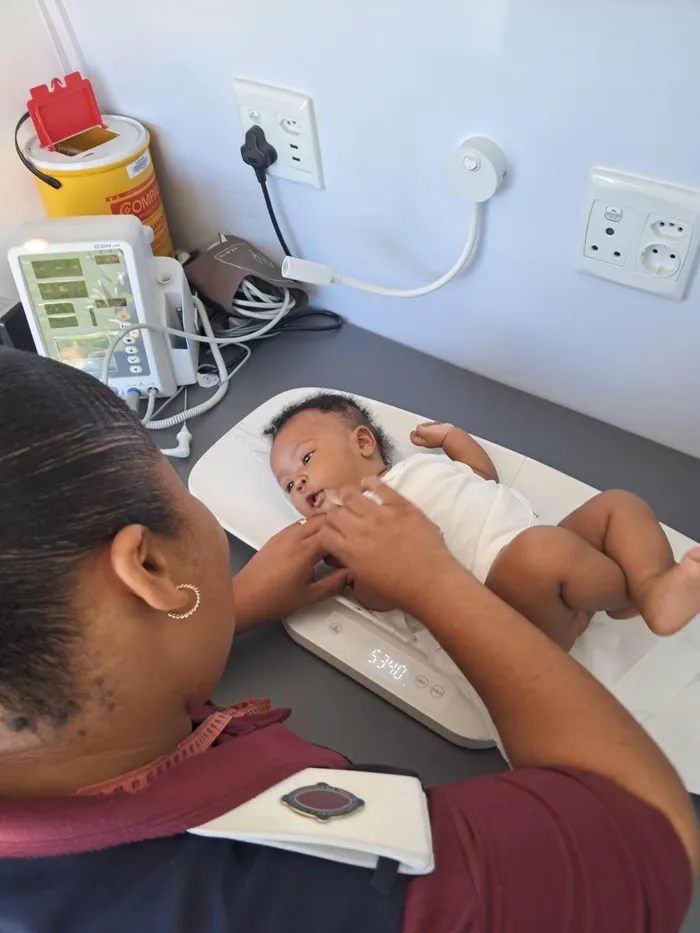
Mobile clinics provide a full range of healthcare services to farming communities in the Western Cape, including immunisation for newborns.
Image: Supplied
Alfonso Patientia, who manages primary healthcare facilities in the Northern Tygerberg area, stated that mobile outreach services remain crucial for bringing healthcare to communities without access to healthcare facilities.
“Our healthcare system remains committed to providing high-quality patient care, and through these mobile clinics and outreach programs, we can continue bringing services directly to those who need them the most,” Patientia said.
Sr Zenobia Sass, who works on a mobile clinic in the Breede Valley, highlighted that despite winter weather making travel difficult, especially on dirt roads.
Working on a mobile clinic has given Sr Sass the opportunity to bring services to people, ensuring that patients with chronic conditions receive the support they need to continue their treatment.
She recalls a recent case where a pregnant patient arrived at the mobile clinic showing signs of abuse. The staff contacted the Western Cape Department of Social Development and arranged immediate support for the woman.
By building close relationships with farm communities and community health workers, Sr Sass expressed admiration for the mobile clinic team's ability to respond quickly when concerns, such as suspected TB cases, were identified rapidly.
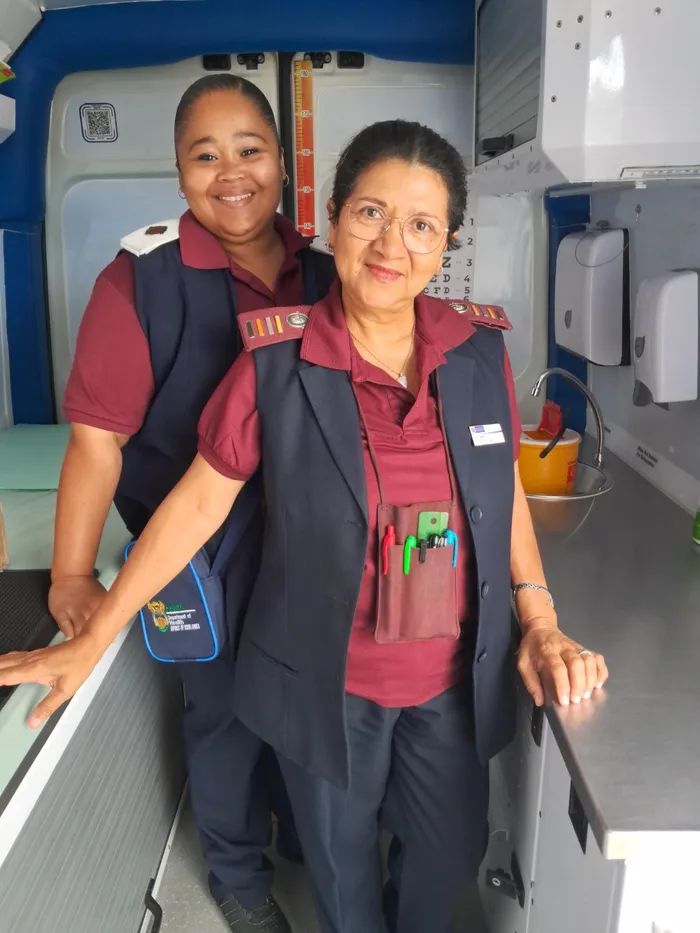
Sr Zenobia Sass and Nurse Wendy Ndleleni.
Image: Supplied
Farm worker Miriam Titus mentioned that the mobile clinic has supported her family for several years, including helping her grandchild access nutritional support, saying, “It is a great help."
Healthcare workers, such as Nurse Sass, have stressed that the mobile clinic outreach program plays a crucial role in communities with limited access to healthcare and social support, filling a significant service gap.
“We are not perfect, but we always strive to give our best," Nurse Sass said. “Every patient matters, so our focus is on providing the best care possible every day.”