Navigating the 2026 tax season: What South Africans need to know


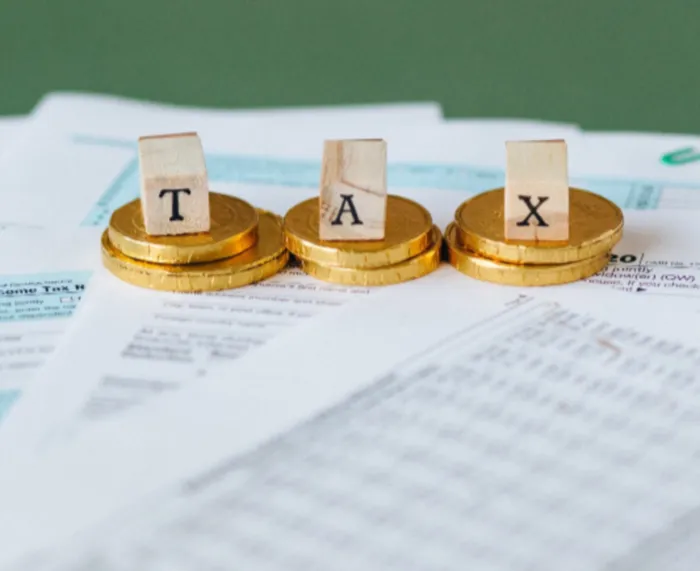
SARS has set 2026 tax deadlines and outlined who can skip filing under simplified income rules.
Image: File
The South African Revenue Service (SARS) has announced critical rules and deadlines for the 2026 tax season, highlighting a significant shift towards digital filing and stricter enforcement of compliance.
Although the official filing season has yet to commence, SARS has already issued guidance in the Government Gazette, providing South Africans with essential information on what to expect and prepare for in the upcoming tax year.
Key 2026 tax deadlines
SARS has confirmed the following deadlines:
- 23 October 2026 – individual taxpayers
- 22 January 2027 – provisional taxpayers and trusts
The official opening date for filing has not yet been announced.
IOL previously reported that the revenue service has outlined specific categories of taxpayers who are not required to submit a return, provided their income is limited to simple and prescribed sources.
This includes natural persons or deceased estates whose income consists solely of a single employer salary not exceeding R500,000 a year, where employees’ tax has been correctly deducted.
Who must file a tax return?
Tax returns must be submitted by individuals, companies, trusts, and anyone formally instructed by the Commissioner to file. In some cases, taxpayers may be exempt depending on the type and amount of income they earn.
According to Lambert Roberts from Tax Consulting South Africa, exemption is not automatic and depends on whether a taxpayer’s financial affairs fall within the prescribed limits set by the tax rules.
"Taxpayers should be cautious about assuming they are not required to file. If SARS’ records reflect an outstanding return, administrative penalties may be imposed for non-submission.
"As a practical rule of thumb, where a taxpayer has an active income tax reference number, it is generally advisable to submit a return or confirm their filing position with SARS to avoid the risk of penalties under the TAA."
Automatic assessments do not require a return
The revenue service also confirmed that taxpayers who are notified in writing that they qualify for an automatic assessment do not need to file a return.
Penalties for late filing
Tax experts have also reminded taxpayers that missing a deadline can be costly. Under the Tax Administration Act, late submission penalties can range from R250 to R16,000 per month, depending on income level.
"For the financial year 2026/27 SARS has a revenue target exceeding R2.12 trillion. The tax authority has stated that it will pursue its mandate by enhancing voluntary compliance, while making it hard and costly for taxpayers who wilfully do not comply, including those who miss submission deadlines," Roberts said.
"In terms of sections 210 and 211 of the TAA, SARS may impose automatic administrative penalties for the late submission of tax returns, which range from R250 to R16,000 per return per month based on the taxpayer’s assessed taxable income, as prescribed in the regulations issued under section 211".
Start your tax year planning now for better investment returns
IOL also previously reported that South Africans should start planning for the tax year at the beginning, not when it’s time to file, to get the most from their investments.
This is according to Adrian Hope-Bailie, founder of Fynbos Money, who says waiting until the end of the tax year could limit long-term returns because decisions are often made under pressure.
“The end of the tax year tends to trigger urgency, but the real opportunity sits at the beginning,” Hope-Bailie said. “Small, consistent decisions made early on can have a far greater impact than last-minute contributions made under pressure,” he added.