Baby Savers under fire amid right to safely abandon infants


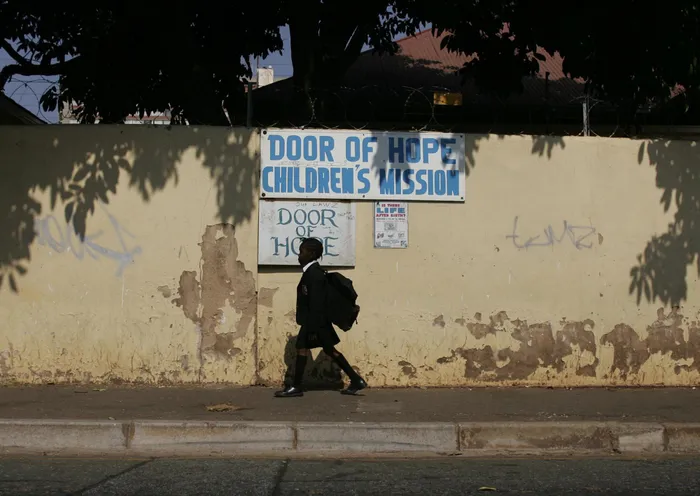
Door of Hope and other organisations are fighting for the right to legally accept unwanted babies who are placed in the Hole in the Wall.
Image: File
The use of the emergency “baby savers” - a safe box or cradle in which abandoned newborn babies are placed - is under the judicial spotlight this week, with the government claiming organisations that accept babies in this manner are acting illegally and that it is an offence under the Children’s Act.
The Department of Social Development (DSD) in Gauteng’s stance is that “baby savers” are illegal and have threatened to close organisations that use these aids.
These safe boxes are usually built into the outside wall of an organisation and trigger an alarm once a baby is placed inside. This allows the baby to be immediately removed and taken to safety.
Baby Savers South Africa NPO and Door of Hope Children’s Mission NPO turned to the Gauteng High Court, Pretoria, for an order allowing them to continue using these “baby savers” and to exclude providers of baby saver boxes from accomplice liability for the offence of abandonment.
The Centre for Human Rights (CHR), represented by Lawyers for Human Rights (LHR), has joined the proceedings as a friend of the court.
They argue that the law must draw a clear distinction between unsafe abandonment and the relinquishment (safe placement) of infants.
To treat these acts as identical is not only irrational but also potentially produces harmful consequences, they say.
“This case asks a fundamental question about the purpose of our law. Where a caregiver takes steps to ensure a child’s safety, the law should recognise that act for what it is. Protecting life cannot be treated as a crime. If the law fails to draw that distinction, it risks punishing vulnerability instead of protecting children,” said Deborah Raduba from the Centre for Human Rights.
Criminalising this conduct could create a dangerous deterrent, they argue, as when caregivers fear arrest or prosecution, they may resort to unsafe options that endanger infants' lives.
The issue before the court is whether the law can recognise the difference between conduct that places a child at risk and conduct aimed at securing rescue, care, and survival.