Spaza shop associations urge government to clarify R500 million fund management


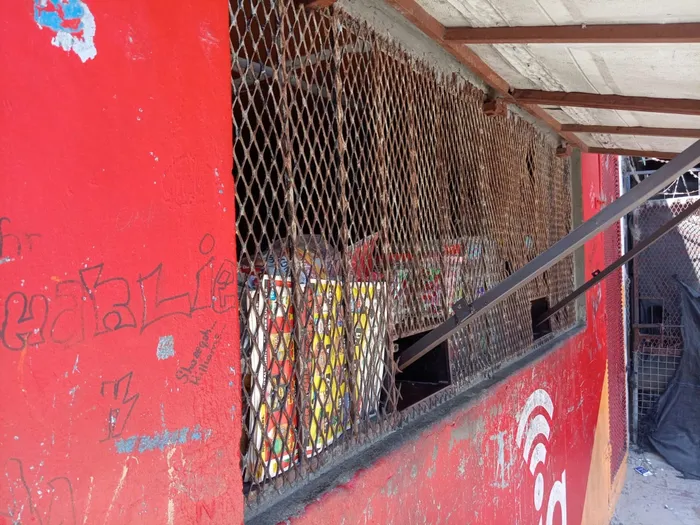
The Township Economic Commission of SA and the SA Spaza and Tuckshop Association have raised concerns about the lack of transparency regarding the R500 million Spaza Shop Support Fund.
Image: File
Concern over the potential mismanagement of the R500 million Spaza Shop Support Fund (SSSF) has prompted calls for transparency from the government.
Launched last year to empower South African-owned township and rural spaza shops, the Township Economic Commission of South Africa (TECSA) and the South African Spaza and Tuckshop Association (SASTA) said the government needs to disclose the number of spaza shops that have been registered and funded.
The fund was launched in April 2025, in Soweto, following a series of tragic incidents where more than 20 children died from food-borne illness linked to hazardous substances such as pesticides found in some spaza shops.
The fund provides capital to help shop owners purchase stock, upgrade facilities and implement digital systems.
It aims to improve hygiene standards and ensure regulatory compliance, addressing significant community concerns about the safety of food products and also aims to improve economic viability.
However, there are concerns that this could be "hijacked by fraudulent actors or misdirected through bureaucracy".
During the registration, some South Africans were caught registering spazas under their own identities on behalf of undocumented foreign nationals.
SASTA has previously raised concerns that up to 50% of applicants for the R500 million government spaza shop support fund may be fronting for others, including foreign nationals.
TECSA president Bheki Twala said only a few of the South African-owned spaza shops have registered and he has been receiving a lot of complaints from people who raised concerns and vented their frustrations about the process.
“People are complaining that they have not received that money and want to know what is happening,” he said.
SASTA deputy president Michael Ramothopo said despite Parliament repeatedly calling for clarity on the fund, there has been no transparent accounting, and traders have not seen tangible benefits.
Ramothopo added that this silence undermines trust and fails to address urgent needs in township economies.
The Department of Trade, Industry and Competition (DTIC) and the Department of Small Business Development are jointly responsible for the fund.
The fund is managed through the National Empowerment Fund, an agency of DTIC, and the Small Enterprise Development Finance Agency.
Asked how much has been spent to date, DTIC Ministerial spokesperson, Kaamil Alli, did not respond at the time of publication.
The Department of Small Business Development and the Small Enterprise Development Finance Agencysaid they would respond by Tuesday.
Meanwhile, governance expert Professor Andre Duvenhage said the lack of transparency signals a red flag, adding that the process is questionable.
“We also need to question the procedure and who is likely to benefit and in what way. There are a number of serious questions, and the fact that the government is not reacting is an indication that this may be a problem,” he said, adding that he won’t be surprised if there are serious challenges and misconduct.
Political analyst Sandile Swana, said the introduction of this fund was a propaganda campaign.
“This is a backward move. It has no bearing on reality. You must remember that even when Albert Luthuli was campaigning for Black businesses in the 1950s, the South African Black businesses were self-sustaining, successful businesses who were being frustrated by the state,” said Swana.