Debate intensifies as Parliament Committee and USaf CEO clash over foreign academics


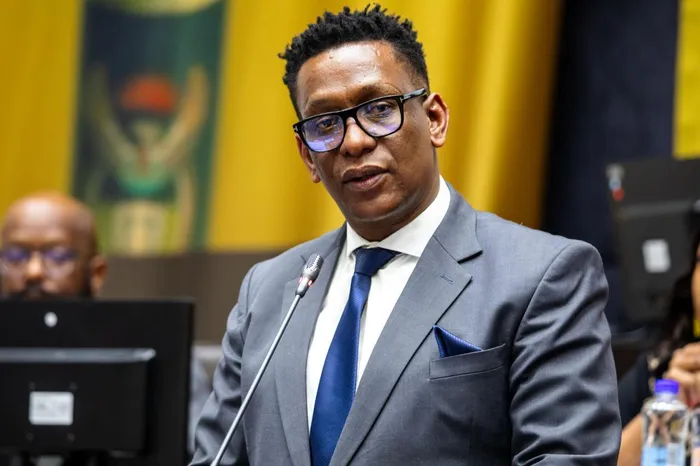
Portfolio Committee on Higher Education and Training chairperson Tebogo Letsie, said that the committee has been confronted with growing concerns about the employment of foreign academics.
Image: Parliament RSA/Supplied
The chairperson of the Portfolio Committee on Higher Education, Tebogo Letsie, has spoken out against a statement made by Universities South Africa (USAf), saying the committee has been confronted with growing concerns about the employment of foreign academics.
Letsie said the recent remarks from USAf‘s chief executive, Dr Phethiwe Matutu, are both “unfortunate and out of touch with reality”.
USAf said it respects Parliament’s oversight role but is concerned that the issue is increasingly politicised and devoid of the realities of how universities function in a global knowledge economy.
Matutu said the current debate risks distorting both the purpose and practice of internationalisation in South African higher education.
“The idea that foreign academics are displacing local talent is not borne out by evidence or by institutional practice... It is a baseless misconception," Matutu said.
"In fact, in 2024, foreign staff, according to the Department of Higher Education and Training, made up about 14% or 6 685 of a total of 47 078 of all staff at our universities – far below the international norm, where leading systems often exceed 20% to 30%, according to the Organisation for Economic Cooperation and Development (OECD). The numbers include permanent and temporary staff,” Matutu said.
“The presence of foreign staff is transformative and complements local expertise whilst enhancing South Africa’s global competitiveness.”
Matutu added that internationalisation is being practised responsibly and with the necessary guardrails in place.
Letsie said: “South Africans from across the country brought forward information and experiences that cannot be ignored. As the chairperson of the committee, I wrote to the Minister of Higher Education requesting information about foreign nationals employed at public universities. This request to the Department of Higher Education was not committee members playing politics. We were responding to issues that kept coming up during oversight visits,” Letsie said.
He added that, as public representatives, it is their duty to interrogate the information they have received, both formally and informally, from the sector over which we conduct oversight.
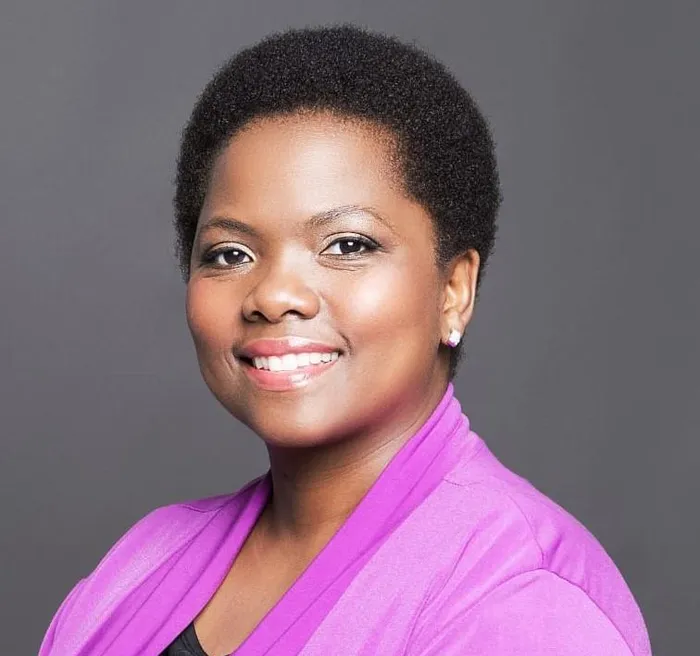
Dr Phethiwe Matutu, Chief Executive Officer of USAf.
Image: Supplied
Matutu said that USAf urges policymakers and the public to engage with this issue constructively and factually, and that to suggest that foreign nationals in higher education are a nuisance is short-sighted.
“We welcome oversight and dialogue. But it must be grounded in evidence, not fear. Internationalisation is not a threat to local staff; it is a catalyst for their development. South Africa needs a strong, diverse, globally connected academic workforce to secure its future,” Matutu said.
Letsie said that public universities are funded by the people of South Africa, and that they exist to advance the interests of the people.
“They cannot stand apart from the laws of the republic or from the realities faced by millions of unemployed graduates.”
He explained that the committee is not hostile towards people from other countries.
“South Africa is part of a global academic community, and many foreign academics have made valuable contributions to our institutions, especially in scarce and critical skills areas such as science, engineering and health sciences..
“Let us be clear, South Africa comes first. Everything else follows.”