Western Cape dam levels rise after recent rainfall


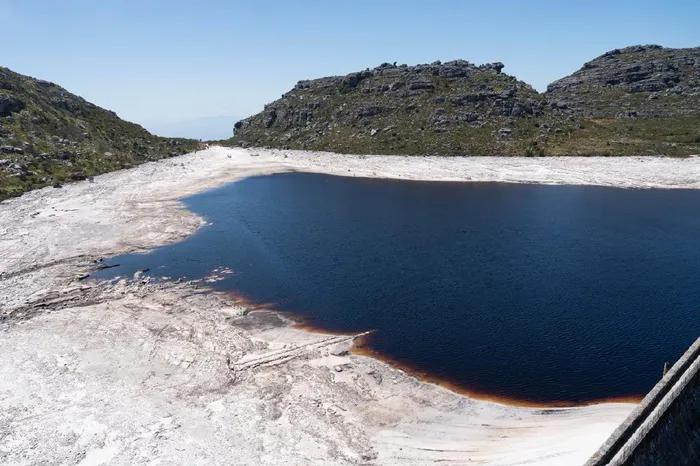
A view of Theewaterskloof Dam near Villiersdorp, the largest reservoir in the Western Cape Water Supply System.
Image: Armand Hough
The Department of Water and Sanitation (DWS) reports an increase in dam levels across the Western Cape due to recent rainfall.
Provincial water storage has risen to 44.27%, up from 42.18% last week, while the Western Cape Water Supply System (WCWSS) serving Cape Town increased from 44.51% to 47.16%.
Five of the six major dams in the Cape Town system, including Theewaterskloof, saw rises of one to two percent, while the Upper Steenbras dam declined by just under one percent.
The Western Cape relies on a winter rainfall cycle to replenish its reservoirs. The Western Cape Water Supply System (WCWSS) is a complex network of dams and pipelines that provides water to over 4 million residents and the region's vital agricultural sector.
The Acting Provincial Head of DWS in the Western Cape, Simphiwe Mashicila, acknowledged the rise but warned that water should still be used cautiously.
“Any drop that we get is good news, but this does not call for celebration yet. The weather experts predict more rain showers next week, so we are optimistic that the situation can only get better as we approach winter,” Mashicila said.
He noted that despite the current levels, the system is performing as expected for this time of year. However, the Department remains focused on the Knysna area to ensure water security.
“Currently, Knysna’s major dam, Akkerkloof is at 23%, but the four main reservoirs are at around 90% on average,” Mashicila said.
The Department will continue to monitor dam levels and rainfall forecasts while reviewing the situation ahead of the peak winter season. Mashicila urged all residents to maintain water efficiency, citing uncertain rainfall projections.