The story behind Cape Town’s quirky number plates: More than just letters


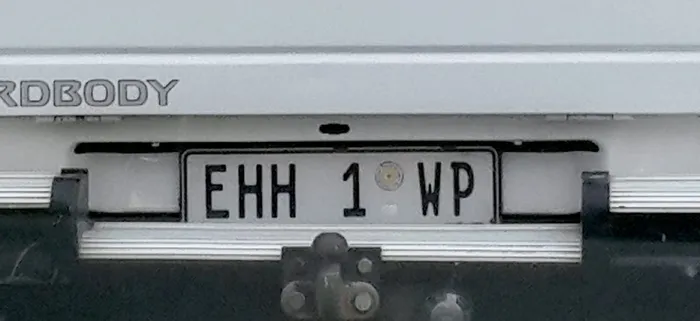
Cape Town number plates reflect the Western Cape’s town-based registration system, where codes are assigned to different areas rather than a single provincial identifier.
Image: File
“I thought people in Cape Town had rental cars or something like that,” says Johannesburg content creator Xizo-Nyama. “Their number plates are weird.”
This remark highlights the confusion many drivers experience in the city. What do you mean it’s not WC? If you've navigated the Mother City, you know deciphering those plates feels like a guessing game without clear rules.
Most South Africans are used to a clean system. GP is Gauteng. EC is Eastern Cape. You spot the plate, and you know exactly what’s going on. No guessing, no decoding and no stress.
Then you hit Cape Town roads, and suddenly it’s CA, CY, CJ, CF… it reads like alphabet soup with attitude.
“I thought you would see WC with the Western Cape emblem,” Xizo-Nyama adds. “But these number plates look like rental cars – and it’s actually people’s cars.”
That assumption is common. The plates do look temporary, almost like something you’d expect from a car hire desk at the airport. Instead, they belong to everyday drivers just trying to get through traffic like everyone else.
The reason behind this is actually rooted in how the Western Cape chose to structure its registration system.
Unlike other provinces that use a single provincial code, the Western Cape assigns prefixes based on towns and regions. Cape Town vehicles use “CA”. Bellville is “CY”. Paarl is “CJ”. Malmesbury carries “CK”.
Strand uses “CEY” while Somerset West uses “CFM”. Each combination points to where the car was first registered rather than where it currently operates.
This approach dates back to an older municipal system where registration codes were handed out according to local authorities. Larger areas received shorter codes while smaller towns were given longer ones.
While the rest of the country moved towards a more standardised provincial format, the Western Cape stuck with its regional identifiers.
It explains why the roads feel like a mix of places instead of one unified tag. A driver with a “CJ” plate might be living in the city now, while a “CY” could be parked right next to them at the same shopping centre.
When Cape Town’s “CA” combinations started running out, the system didn’t switch to a provincial label. It simply expanded to “CAA”, keeping the same structure intact.
So no, it’s not a fleet of rental cars doing rounds in the Mother City. It’s just a system that tells a longer story.