Cape Town's housing crisis: Over 440 000 applicants await homes


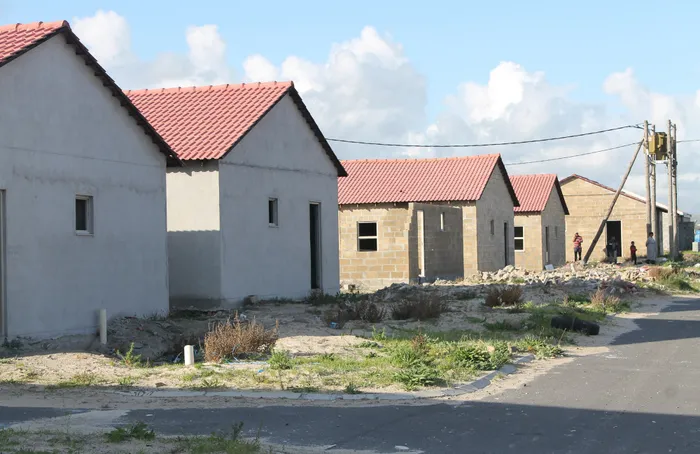
Over 400 000 people in Cape Town are awaiting housing.
Image: File
Around 440 000 applicants have registered for housing on the City’s Housing Needs Register, with almost R2.8 billion proposed for human settlements opportunities for 2026/27.
Housing rights activists have called it a national crisis, citing that 3.7 million people are waiting for homes.
According to the City’s Human Settlements Department, they are "winning the war", detailing that in the past five years, 12 401 units were handed over in Cape Town - more than double the next metro, eThekwini, at 5 355.
For Faldelah Damons, the wait has been too long as she faces eviction from a Communicare facility in Ruyterwacht.
“I've been on the waiting list since 2001,” she said.
“I've been renting from Communicare since 2003, after my husband passed in 2019.
"COVID hit, and I fell behind with rent, and now I am facing eviction with a case at the Cape High Court.”
According to mayco member for Human Settlements, Carl Pophaim, the budget proposed for the 2026/27 financial year is almost R2.8 billion.
"The City spends on average around 95% of the subsidy grants from the national government for subsidised housing and close to 100% on informal upgrades and extension of basic service provision grants,” he said.
Pophaim said approximately 440 000 applicants have registered on the City’s Housing Needs Register.
Housing Rights Activist group, Ndifuna Ukwazi (NU), are challenging authorities like the national government and the City over concerns regarding the publication of the Draft Prevention of Illegal Eviction from Unlawful Occupation of Land Amendment Bill, 2026 (PIE ACT).
“This amendment process unfolds at a moment of a profound national housing crisis, with more than 3.7 million families on a housing waiting list - this number grows by 178 000 every year,” said NU.
"Public participation in this process is essential, particularly from those most directly impacted by evictions and housing insecurity.”
Pophaim said in response to the call: “The City is in the process of considering inputs and will provide full comment in due course, but we welcome proposals to amend PIE to deal with the crisis of unlawful land occupation and restore some balance between the reasonable constitutional obligations of the State and unlawful land occupiers to which the Minister referred too."
Ashraf Cassiem of the Anti-Eviction Campaign challenged the housing register numbers.
"The last I checked, it was 600 million on the register, with an increase of 22 000 a year. They do not even have a plan to produce housing; they give their land to strangers to profit.”
GOOD Secretary-General, Brett Herron, said he supported the call for public participation in the proposed amendments to the PIE Act.
“We call on the Minister and the Portfolio Committee on Human Settlements to host public engagements where the South Africans who are most affected by the proposed amendment of the PIE Act can hear what is proposed and be heard,” he said.
Queries to the National Human Settlements office have yet to receive a response.