Cape Town's cannabis museum to reshape Africa’s historical narrative


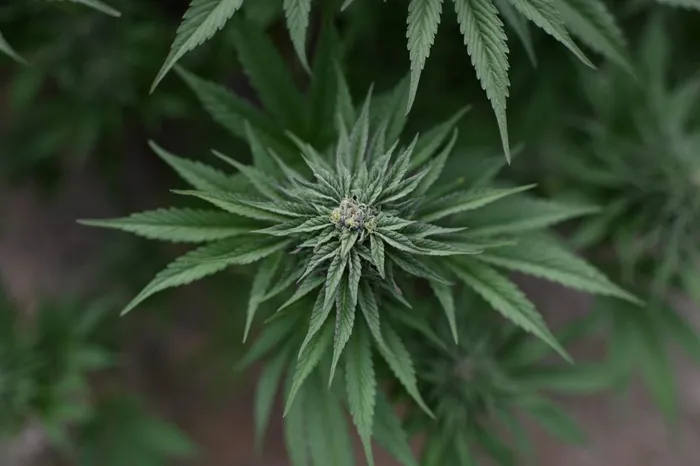
Cape Town is set to host Africa’s first cannabis museum, with the TAC Foundation positioning it as a cultural and educational space documenting the plant’s history across the continent.
Image: Robyn Beck / AFP
Cape Town is set to host Africa’s first cannabis museum and aims to help to open people’s minds to new perspectives regarding the plant.
The African Cannabis Museum (TAC), currently in development, is expected to open in the fourth quarter of 2026. The TAC Foundation said the project is in an advanced planning and partner engagement phase, with a high-visibility, tourism-aligned location in Cape Town still to be finalised.
The initiative is being led by the TAC Foundation, a non-profit organisation focused on preserving and presenting the cultural and historical narrative of cannabis in Africa.
“While the plant has deep historical, cultural, and economic roots across the continent, its narrative has largely been shaped externally and reduced to policy and prohibition,” said Katrien Oosthuizen.
“This initiative is about reclaiming that narrative,” Oosthuizen said. “It creates a platform to present cannabis through a more complete lens, one that includes heritage, traditional knowledge systems, and contemporary developments.”
The foundation said the museum will operate as a cultural and educational space.
“The focus remains on the fact that the museum is a cultural and educational space, it is not a cannabis retail or consumption venue, and no cannabis products will be sold in the museum shop,” Oosthuizen said.
According to the foundation, the project aims to broaden public understanding of cannabis beyond its association with recreational use.
“A key objective is to broaden public understanding beyond narrow or outdated perceptions,” Oosthuizen said.
The foundation said the museum will explore cannabis within a wider context.
“It exists within a far wider context that includes historical, cultural, industrial, and environmental dimensions,” Oosthuizen said.
Plans for the museum include research-informed exhibitions, curated storytelling and immersive visitor experiences. The foundation said the content will include indigenous knowledge systems and regional histories linked to the plant.
The project is structured around education, cultural preservation and public engagement.
“Education, cultural preservation and public engagement” form the core pillars of the museum, according to the foundation, with a focus on accessible, research-informed content and interactive experiences.
The foundation said the museum will also explore cannabis-related sectors such as hemp.
“The museum will also explore the plant’s role in emerging sectors, including hemp and related industries, and its potential contribution to local economies, sustainability, and innovation,” Oosthuizen said.
The project remains on track for its planned 2026 opening, subject to final site confirmation and ongoing development milestones, according to the foundation.