Western Cape High Court halts mortuary plans at Mowbray Cemetery


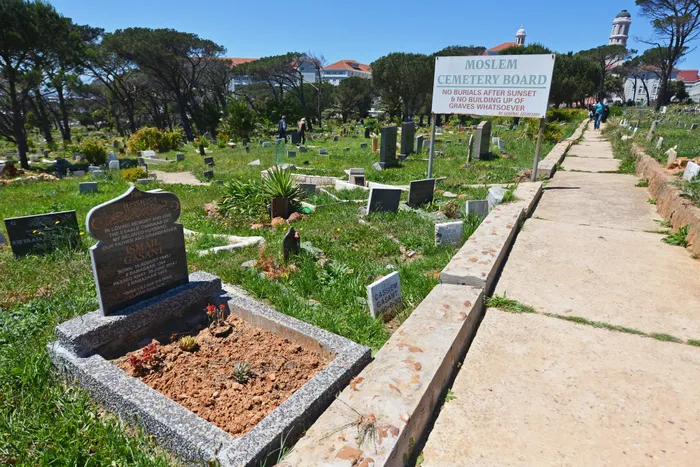
The planned storage facility at the Mowbray Cemetery has been halted by a high court order.
Image: Independent Newspapers Archive
The Western Cape High Court has halted the construction of a mortuary facility at the historic Mowbray Cemetery.
Judge Gayaat Da Silva Salie ruled in favour of Dr. Tolgah Bassier, who challenged the Muslim Cemetery Board’s plan, arguing that the cemetery's title deed restricts the land's use to burials only.
The ruling restrains the Board from constructing, operating, or maintaining any mortuary infrastructure on the property.
The legal battle centres on the interpretation of waqf (endowment) and whether modern ancillary services, like a morgue, violate the original religious and legal mandate of the land.
Judge Da Silva Salie noted that this is a site of longstanding religious, historical, and communal significance. Bassier reiterated that the title deed of the cemetery stated the land is to be "solely used as a burial place" for Muslims.
“Those Muslims who drafted this clause have since passed on and cannot speak for themselves, but this was their simple stipulation. A mortuary on this property would clearly violate that stipulation,” Bassier said.
He added that the Mowbray Maqbara is a landmark site, and allowing a morgue could signal a ‘false narrative’ regarding the Islamic tradition of swift burial.
However, Bassier questioned the necessity: “The basis of my application was that this mortuary had no demonstrable Islamic need. If the undertakers truly believed these reasons, they could have presented them, but they did not."
He further alleged the Cemetery Board was "unlawfully constituted" and raised concerns regarding maintenance costs, security, and the violation of the wishes of those who originally dedicated the land.
On Tuesday evening, the chairman of the Moslem Cemetery Board, Faizal Sayed, and Advocate Shameemah Dollie Salie held a live briefing. Sayed confirmed they accept the ruling regarding the technical restriction in the title deed but maintained they had interpreted "burial ground" to include necessary services.
Sayed emphasised that the project was intended to serve the community and stated they intend to find a way to make the facility work, whether at that location or another.
Bassier has since pledged to financially assist with a morgue on a different site if the undertakers can demonstrate that it is Islamically necessary—provided it does not contravene contractual obligations—and called for a special general meeting between all parties.
Judge Da Silva Salie noted that the property bears the characteristics of an endowment (waqf).