Legal battle ensues over placement of English learners in Afrikaans school


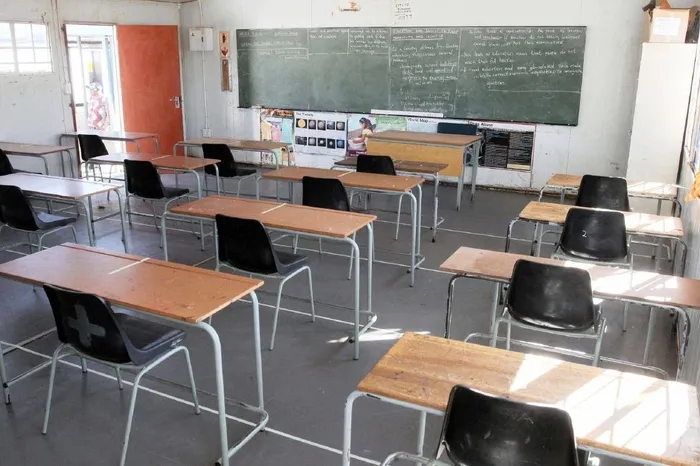
A legal battle regarding English-speaking learners at Swartruggens Gekombineerde Skool turned to court as the school said it does not have the infrastructure to deal with these learners.
Image: File
An Afrikaans medium school in Mpumalanga has sought court intervention to challenge the North West Department of Education's decision to place 78 English-speaking learners at the Swartruggens Gekombineerde Skool, which is not equipped to educate them.
The placement occurred via the SA-SAMS system during the December 2025 holidays, allegedly without prior warning or agreement on the infrastructure of the school, its staffing capabilities, or its resources.
The current learner population at the school is 366.
Approximately 53% of the existing learner population consists of black learners, while the remaining 47% consists of white and coloured learners.
At the beginning of January last year, the department engaged the governing body regarding the possible integration of learners from the intermediate school.
The circuit manager formally requested that the governing body introduce a dual-medium-of-instruction system to accommodate Grade 8 and 9 learners from the intermediate school.
The department undertook to provide support, including mobile classrooms, furniture, and additional educator posts.
A series of meetings and correspondence followed over the next eleven months.
The governing body requested written commitments from the department regarding infrastructure, funding, human resources, and the instructional model (parallel versus dual medium).
A professional engineer, meanwhile, compiled a structural assessment report, which identified significant structural defects in the school’s buildings, which included that some structures are at risk of eventual collapse.
The department gave an undertaking that mobile classrooms would be erected, but before this was done, it had placed the 78 learners, specifically English-medium learners in Grades 8, 9, and 10 at the school.
Acting Judge A Wessels remarked that the right to a basic education is foundational to the country's constitutional order, and any threat to that right must be addressed without delay.
“The balance of convenience favours granting interim relief, but not on the terms sought by the applicants. To remove the 78 learners forthwith would cause them considerable harm. To leave the situation entirely unaddressed would expose them to unacceptable safety risks,” the judge said.
The court concluded that the learners should remain at the school for now, but that the department must take immediate steps to address the school’s infrastructure, staffing, and resource needs.
The department has to report back to the court in this regard, and the matter will then be revisited at a later stage.