Heritage backlash over new accommodation plans at Robben Island


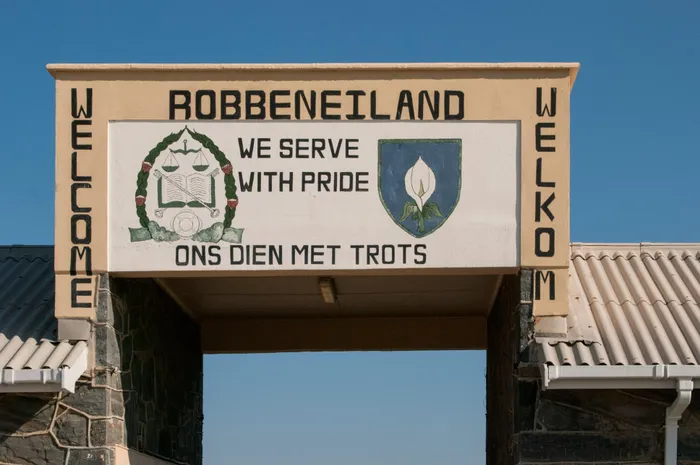
Heritage concerns arise over Robben Island's new tourism accommodation project
Image: Unsplash
Plans to convert former prison guard houses into tourist accommodation at Robben Island Museum (RIM) have sparked public debate among South Africans about the respect for the site’s historical significance.
The museum is considering repurposing warder homes into overnight lodging, with one property currently serving as a pilot project, backed by approximately R70 million for upgrades and conversions.
One property is already being used as a pilot project to assess viability, with approximately R70 million allocated towards upgrading and converting the buildings.
Robben Island is globally recognised as a symbol of South Africa’s struggle against apartheid.
It once housed political prisoners, including Nelson Mandela, who spent 18 years incarcerated there.
Today, it operates as both a museum and a Unesco World Heritage Site, attracting thousands of visitors annually.
Public reaction: “Not everything should be commercialised”
The proposed development has drawn mixed reactions online, with critics arguing that transforming parts of the island into accommodation risks trivialising a painful chapter in the country’s history.
Some social media users described the idea as “weird” and “in poor taste”, questioning why anyone would choose to stay in a place associated with oppression and suffering.
Others drew comparisons to historical sites such as Holocaust camps, suggesting that certain spaces should remain preserved purely for remembrance and education.
Concerns were also raised about priorities, with some arguing that public funds could be better directed towards addressing ongoing socio-economic challenges in communities such as the Cape Flats.
Museum defends “sustainable tourism” approach
In response to the backlash, Robben Island Museum released a statement defending the project, emphasising that the initiative forms part of a broader strategy focused on sustainable tourism and heritage preservation.
The institution stressed that the guard houses - once symbols of apartheid-era control - will be “adaptively reused” while maintaining their historical integrity.
Revenue generated from overnight stays is expected to support conservation efforts, educational programmes, and ongoing maintenance of the site.
The museum also highlighted the social value of the project, noting that the accommodation will not only cater to tourists but also provide space for researchers, educators, artists, and students engaged in heritage and human rights work.
According to the statement, the initiative aims to transform spaces associated with oppression into environments that promote reflection, dialogue, and reconciliation.
The project has reportedly received the necessary permits, and stakeholder engagement has been conducted in line with regulatory requirements.
Balancing preservation and progress
The controversy underscores an ongoing tension between preserving historical sites and finding sustainable ways to fund their upkeep.
While some see the proposal as an innovative approach to keeping the museum financially viable, others believe it risks commercialising a site deeply tied to South Africa’s collective memory.
As discussions continue, the future of accommodation on Robben Island remains a sensitive issue - one that raises broader questions about how nations honour their past while navigating present-day economic realities.