Cape Town’s first electric MyCiTi bus arrives in August


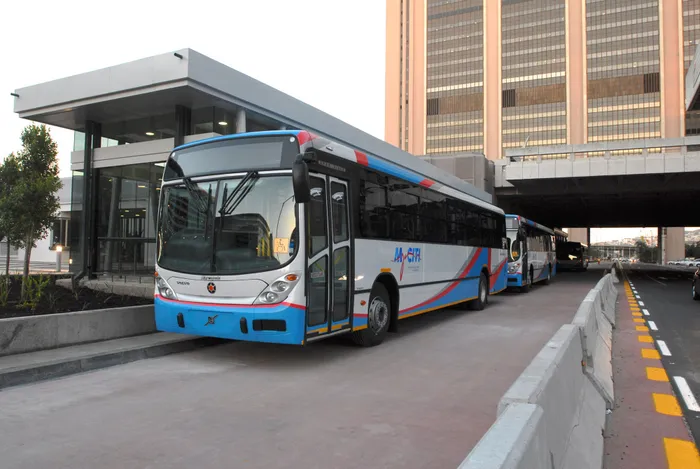
Cape Town’s first electric MyCiTi bus is set to arrive in August 2026 as the City rolls out a 30-vehicle fleet ahead of planned passenger operations in 2027.
Image: File
The City of Cape Town will receive its first electric bus in August 2026, with 13 more set to arrive before the end of the year as part of a phased rollout on the MyCiTi Bus Service.
In total, 30 low-floor electric buses are expected between August 2026 and June 2027.
The first delivery will include a 12-metre Volvo BZRLE electric bus, with bus bodies manufactured locally in Johannesburg.
Mayoral Committee Member for Urban Mobility, Rob Quintas, said the rollout comes at a critical time.
“The delivery of the electric bus fleet cannot be more timeous, given the volatility of the energy markets and uncertain geopolitical environment. Apart from lowering our carbon emissions, an electric bus fleet could offer multiple other benefits, especially as far as maintenance and operational costs are concerned. Some countries operating e-buses have noted a reduction of up to 70% in operating costs and we will be conducting research soon to determine what type of savings Cape Town can look forward to,” he said.
The City will partner with the University of Cape Town to test the buses over 12 months on existing routes, assessing battery performance, charging times and operational impact. The study is supported by the Urban Electric Mobility Initiative.
The rollout follows an earlier pilot project approved by the City’s Mayoral Committee, with research led by UCT and backed by a €90 000 (about R1.7 million) grant from UEMI. Up to four electric buses will be tested to assess performance, battery life, charging times and operational costs ahead of a wider rollout. The research phase is expected to run until at least December 2026.
If all goes as planned, the first e-buses are expected to enter service by 1 July 2027 on routes connecting Mitchells Plain and Khayelitsha, as well as Wynberg, Claremont and the Cape Town CBD.
Further expansion of the electric fleet will depend on funding from national government.