Milnerton Lagoon shows early signs of recovery


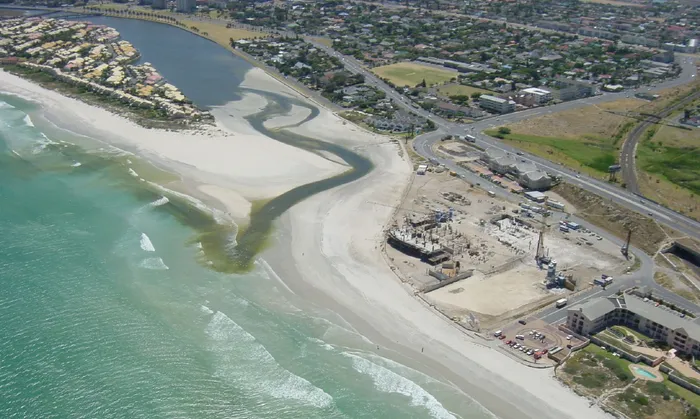
Milnerton Lagoon is showing early signs of recovery as infrastructure upgrades and planned dredging aim to tackle longstanding pollution challenges.
Image: Supplied
The City says infrastructure upgrades at the Milnerton Lagoon are beginning to yield results, but an independent expert has cautioned that it may be premature to conclude that conditions have meaningfully improved.
According to residents and environmental groups, there has been longstanding concern about pollution and declining water quality in the lagoon and surrounding waterways.
The City said it updated residents at a public meeting on March 25 on its intervention programme, which it said is aimed at improving water flow, reducing contamination and strengthening infrastructure across the Diep River catchment.
Last week, Water and Sanitation mayco member, Zahid Badroodien, said early gains were becoming visible.
“We are beginning to see the results of our investments. Fewer blockages and reduced odours are just some of the benefits. These interventions are building a more resilient system for the long term,” he said.
According to City data, sewer blockages in the catchment dropped from 4 270 in October 2024 to 3 489 by February 2026.
City officials said preventative maintenance, pipe rehabilitation and system upgrades are helping to reduce failures and limit spillages.
The City said air quality monitoring shows a sharp decline in hydrogen sulphide-related odour incidents, from 1 397 recorded exceedances between February and December 2025 to just 10 between January and late March this year.
The Milnerton Central Residents Association said residents had noticed some improvement following the meeting.
“In general, residents felt more positive after the meeting. The smell got much better and it seems that there were less sewerage overflows,” the association said.
However, the association raised concerns about the potential impact of dredging on the lagoon’s width and surrounding vegetation, and questioned whether it is necessary at this stage as conditions upstream appear to be improving.
Professor Leslie Petrik, an environmental chemist at the University of the Western Cape, cautioned that it may be too early to draw conclusions.
“In my opinion it is too early to say, or for the City to boast about improvements,” she said.
Petrik said the City was still “several years away” from demonstrating that the Potsdam facility can operate at the level required to handle growing sewage volumes.
“If the effluent keeps pouring into the estuary daily, these efforts are almost completely pointless and expensive,” she said.
She said proposed interventions such as dredging, saline flushing and nanobubble treatments may not be effective in a high-flow estuary, and questioned whether current monitoring adequately reflects conditions experienced by nearby residents.