Legal expert warns: Rising malpractice claims threaten South Africa's public healthcare


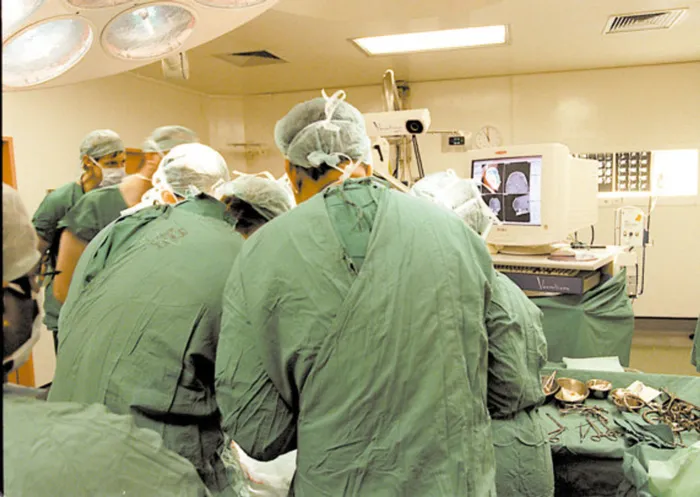
Rising malpractice claims threaten healthcare access and state resources in South Africa.
Image: File
An increase in the number and value of medical malpractice claims against the state is placing financial pressure on South Africa’s public healthcare system, raising concerns about long-term access to care and the sustainability of compensation payouts.
Cape Town-based legal practitioner Dr Robyn Conradie, who recently obtained her doctorate in Private Law from Stellenbosch University, says the current legal framework for calculating and paying compensation is not working effectively.
“The current legal system which regulates the calculation and payment of future medical expenses and compensation payable for pain and suffering to victims in medical malpractice cases against the state is unsatisfactory. We lack meaningful political and regulatory interventions to address this issue,” she says.
According to Conradie, the growing number of claims means more public funds are being directed towards litigation and payouts, reducing the resources available for healthcare services.
“Because public healthcare facilities pay this compensation from a shrinking health budget, and although the state may have ‘deep pockets’, it could find itself unable to continue paying compensation claims for medical malpractice and simultaneously provide healthcare. This may leave medical malpractice victims at a risk of not receiving redress for harm suffered,” she says.
She points to data from the South African Law Reform Commission showing that nearly R2 billion was paid out in damages in the 2020/21 financial year, with contingent liabilities exceeding R120 billion.
Recent reporting highlights how such claims arise in practice. Last year, the Cape Argus reported on a case in which a Mitchells Plain mother won a negligence claim after a court found that staff at a midwife obstetric unit failed to follow proper procedures during childbirth, leading to permanent injury, including Erb’s palsy and brain injury linked to oxygen deprivation. The court also heard that medical records were inadequate and that there were delays in delivery. The Western Cape Department of Health was held liable for damages and legal costs.
Conradie attributes the rise in malpractice incidents to factors including increased awareness of patient rights, corruption, and mismanagement of funds and resources.
She proposes two alternatives to the current system, an undertaking-to-pay model for future medical expenses and a ceiling cap for compensation related to pain and suffering.
“Instead of paying victims a once-off lumpsum for future medical expenses, the Department of Health could undertake to pay for any future medical expenses as and when they arise by virtue of an undertaking-to-pay certificate,” she says.
“This will overcome the department’s cash flow problems as well as reduce litigation costs when calculating future medical expenses because the value of these expenses won’t have to be calculated at the end of litigation, thus reducing the potential for over- or under-compensation of claimants.”
She says the current system can result in both overcompensation and undercompensation.
“The state pays compensation to claimants who receive a windfall, where the financial resources could have been used for public healthcare. On the other hand, undercompensation results in the inadequate redress for claimants.”
Conradie says her proposed approach would ensure that claimants continue to receive medical support for as long as needed.
“As long as the litigant lives, they will have access to the undertaking-to-pay certificate, and their medical expenses will be covered.”
She adds that limiting compensation for pain and suffering and basing it on the extent of impairment could also help manage costs.
“We are not yet at a point of no return and with the right interventions, we could see real improvement of public healthcare while ensuring that victims of medical malpractice are compensated fairly,” she says.