Sewer overflows lead to health crisis in Philippi


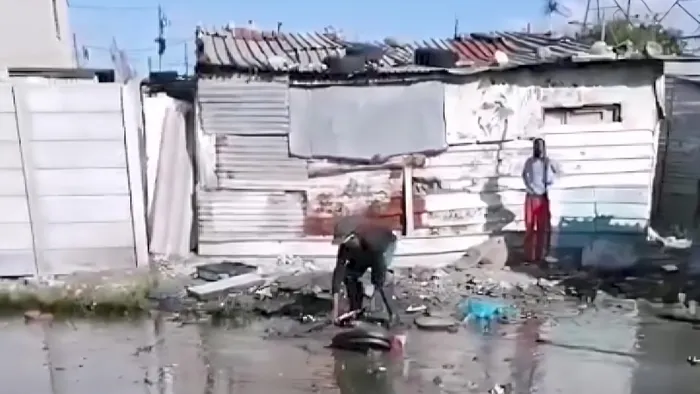
Residents in Philippi and Wesbank have reported ongoing sewer overflows, with some alleging illness linked to prolonged exposure to raw sewage.
Image: Supplied
Residents in Philippi and Wesbank are being forced to live with raw sewage flowing through their streets, with reports of skin infections linked to prolonged exposure, as the City of Cape Town maintains it is responding to ongoing blockages.
In Hlungulu Street, Philippi, residents have allegedly been exposed to contaminated water for more than four weeks, with some developing visible skin infections.
In Ngqabe Street, a mixture of sewage and clean water has allegedly been continuously overflowing since December, raising concerns about both health risks and water loss.
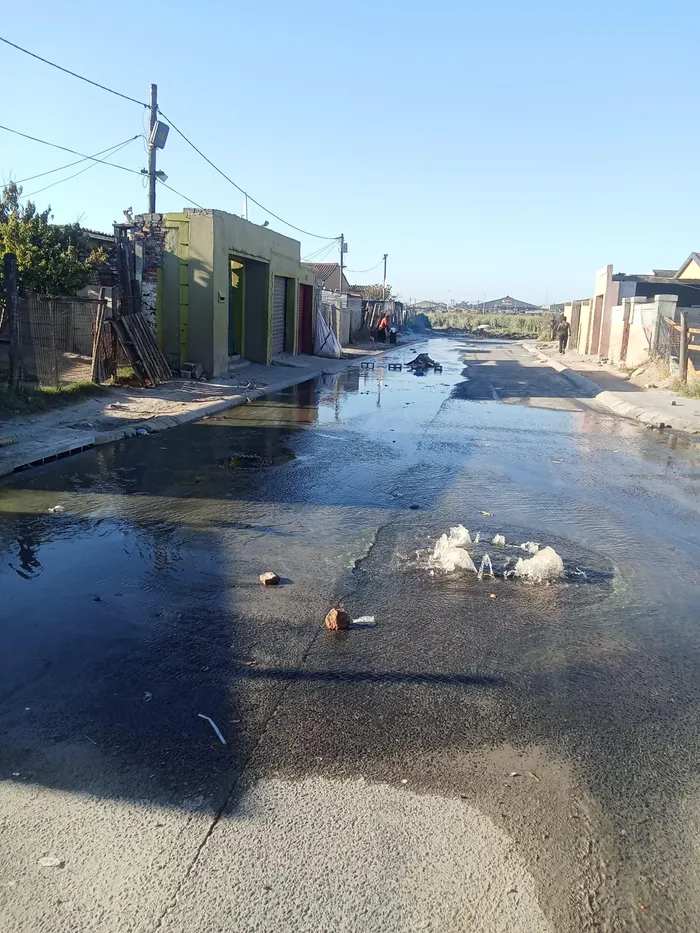
Raw sewage flows through a street in Philippi, where residents say they have endured weeks of exposure amid ongoing sewer blockages.
Image: Supplied
Resident, Phillie Mqweba, said people have been complaining about the sewer overflow for more than a month without resolution.
“The water is green and the smell is very bad, we are breathing it inside our homes.
“I developed a rash on my face this week and couldn’t go to work. I don’t get paid if I don’t work, so I lost money.”
Working in the restaurant industry, she said missing work had immediate financial consequences.
Mqweba said her pregnancy had heightened her concerns.
“I am pregnant and I’m worried about the air we are breathing and how it could affect my unborn child.”
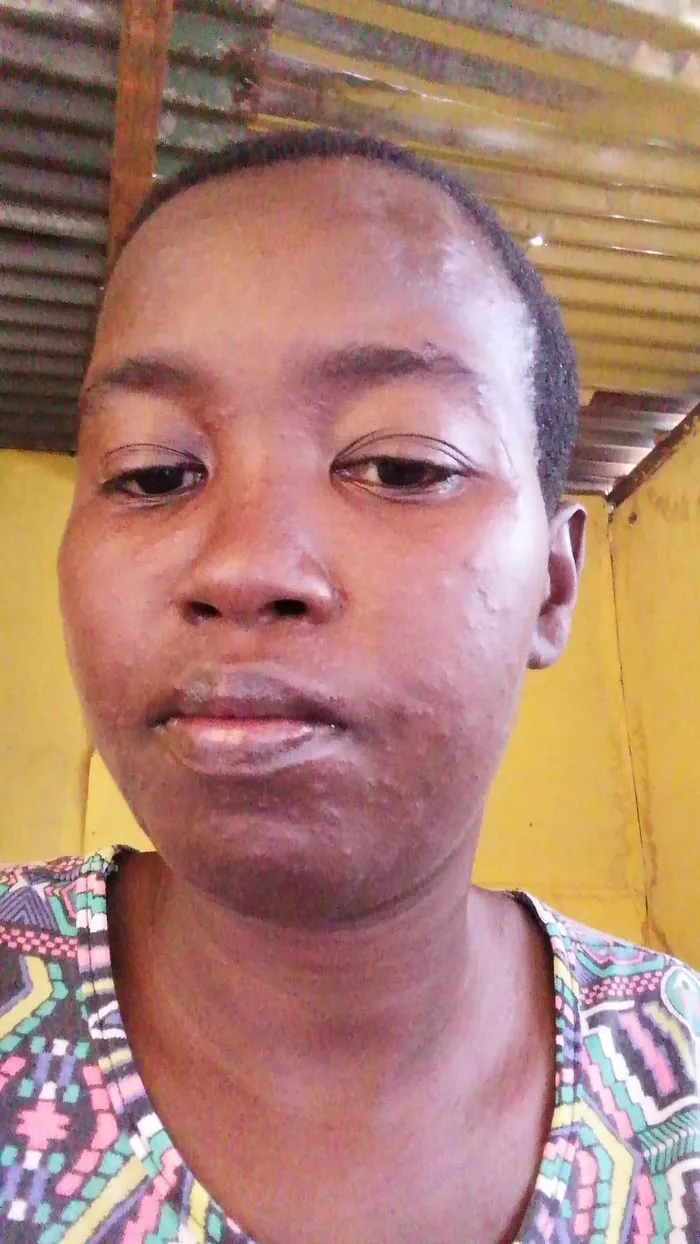
Phillie Mqweba shows skin irritation she says developed after prolonged exposure to sewage in Philippi.
Image: Supplied
Siyabulela Mamkeli, a councillor for the GOOD Party in the City of Cape Town, said residents in Hlungulu Street had been exposed to contaminated water for weeks, while ongoing overflows in Ngqabe Street had persisted for months.
“This is a clear indication of a community that has been left behind, where residents must take matters into their own hands to protect their health and dignity,” he said.
Mamkeli said the situation had deteriorated despite repeated efforts to raise the issue.
“The sewer crisis in Wesbank remains unresolved and has significantly deteriorated, despite sustained efforts by GOOD to raise and address these issues since 2019,” he said.
He described the situation as a “full-blown public health crisis” and called on the City to deploy emergency repair teams, provide temporary sanitation and health support, conduct a full infrastructure assessment and ensure accountability for delays.
The City said it was aware of the ongoing sewer overflows in parts of Wesbank and Philippi, but rejected claims that it had failed to act.
Water and Sanitation mayco member, Zahid Badroodien, said operational teams were regularly dispatched to affected areas.
“It is not correct to say the City has failed to act,” he said.
“Operational teams are dispatched to the affected areas regularly to clear and unblock impacted areas, as well as clean and disinfect them to mitigate public health risks.”
Badroodien said the primary cause of recurring overflows was vandalism, tampering with manholes and the dumping of foreign objects into the sewer system, rather than infrastructure capacity constraints.
“The sewer network in these areas has the design capacity to accommodate normal household flows,” he said.
He said such interference obstructs the network, damages infrastructure and can result in sewage backing up into streets and private properties.
The City has also introduced mitigation measures, including a pilot project installing lockable manhole covers in Wesbank to curb vandalism and reduce blockages, according to Badroodien.
He said more than R1.4 million had been invested in the intervention, alongside longer-term upgrades including the multi-phase Philippi Collector Sewer project.
Phase 1 of the project began in October 2025 and is expected to take approximately 24 months, with further phases still in the design stage.
The City also said pipe replacement work in Wesbank had been delayed after contractors declined to proceed due to safety concerns, with a new tender expected to allow work to resume in the new financial year.
The City did not provide details on when the blockages were first reported or how many service requests had been logged, and did not indicate when the affected areas would be fully resolved.
Meanwhile, the City’s Health Department said it had not observed a significant increase in diarrhoeal illness or gastroenteritis in the affected areas, but would continue monitoring conditions.
Despite this, Mqweba said continued exposure to raw sewage was affecting residents’ health and daily lives.