How rising fuel costs are squeezing Cape Town's workforce and businesses


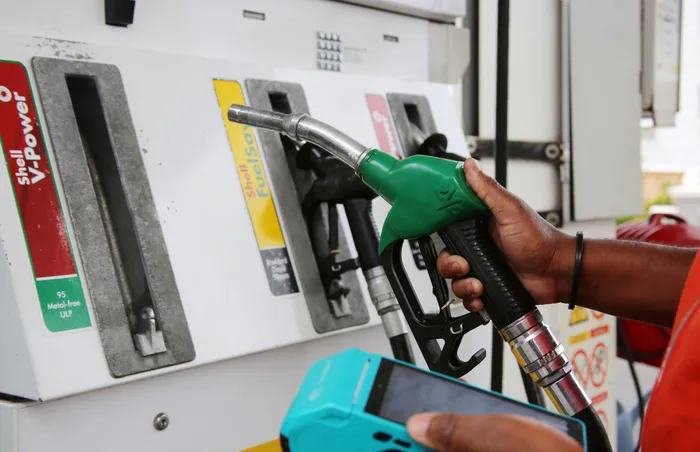
Fuel price hikes squeeze Cape Town workers and businesses, driving up transport costs and the cost of living.
Image: Tumi Pakkies / Independent Newspapers
Rising fuel prices are placing mounting pressure on both workers and small businesses, with transport costs climbing and the broader cost of living continuing to rise.
The latest increases, among the steepest in recent years, have seen petrol rise by more than R3 per litre and diesel by over R7, raising concerns about inflation and the ripple effects across the economy.
Trade union federation, Cosatu, said its members are already feeling the strain, particularly when it comes to getting to and from work.
Cosatu Western Cape spokesperson, Malvern de Bruyn, said the increases were hitting the working class and poor communities hardest.
“Workers have raised numerous concerns and complaints about the unaffordability of travelling to and from work.
"Some say they do not have enough money to cover transport for the week or to use trains. People are feeling severe financial pressure as they struggle to cope with rising food prices and the broader cost of living.”
Prasa and bus operators have, for now, absorbed rising fuel costs to shield commuters, but warn that fare increases may become unavoidable if pressures persist.
On the ground, small businesses are also grappling with the knock-on effects of higher fuel costs.
Kevin Kok, who runs a plant hire and civil works business, said diesel was one of the biggest cost drivers in his operations.
“Fuel increases have had a significant impact on our operating costs. Diesel is one of our biggest expenses, especially with plant like graders, rollers, excavators, and trucks running daily. Even a small increase per litre translates into a substantial rise in monthly operating costs across multiple sites and machines,” he said.
Kok said the cost of transporting heavy equipment had also risen sharply.
“Transport costs have increased noticeably. Moving plant between sites, especially long-distance jobs, has become more expensive due to higher diesel prices. This affects both lowbed transport and support vehicles, making mobilisation and de-establishment a much bigger cost factor than before.”
He said businesses were being forced to strike a difficult balance between increasing prices and absorbing costs.
“It’s been a combination of both. Where possible, we’ve adjusted our rates to reflect rising fuel costs, particularly on new quotes. However, on existing projects or agreed rates, we’ve often had to absorb the increases, which puts pressure on margins.”
Clients, he added, were increasingly pushing back.
“There is definitely more resistance. Some are pushing back on rate increases, while others are delaying or scaling down projects due to overall cost pressures.”
Kok said the volatility in fuel prices was forcing businesses to rethink how they operate.
“Going forward, it will require tighter cost control and more strategic planning. We are focusing more on efficiency and being more selective with projects to ensure they remain financially viable.”
The ripple effects are being felt across the economy, with businesses warning that consumers are likely to bear the brunt.