Cape Town's public transport fares hold steady for now despite rising fuel costs


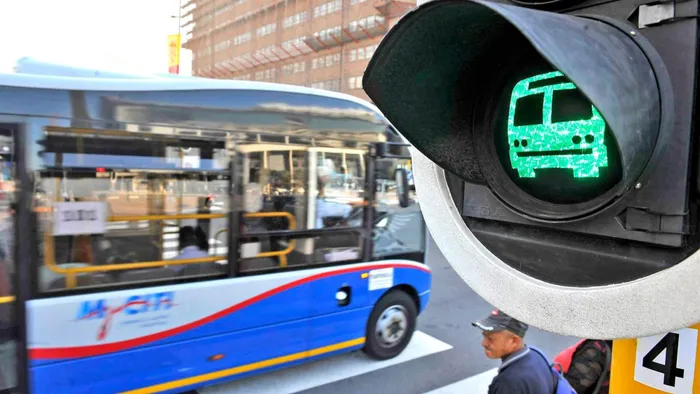
Bus operators are holding fares steady for now as rising fuel costs place growing pressure on transport services.
Image: File
Cape Town’s public transport operators are holding fares steady for now despite rising fuel prices, but mounting cost pressures are raising concerns about how long this can be sustained.
Urban Mobility mayco member, Rob Quintas, said the operational costs of the MyCiTi Bus Service are influenced by multiple factors, including fuel prices, maintenance, engine parts and labour.
He said MyCiTi fares are linked to diesel price thresholds, with fare level 1 based on a fuel price of about R24.12 per litre.
The current wholesale price is roughly R1.30 above this level, but a fare increase is only triggered if the next threshold is exceeded for two out of three months, or for two consecutive months.
“I can confirm that there will be no increase in the MyCiTi fares for at least until the end of May 2026,” Quintas said.
He said it was too early to determine whether rising fuel costs had shifted passenger numbers, as figures are audited monthly and only finalised three weeks into the new month.
“We will only be able to confirm any current shifts by June 2026, once the figures for April have been audited,” he said.
Golden Arrow Bus Services spokesperson, Bronwen Dyke-Beyer, said rising fuel prices are placing significant pressure on operations, with the company using approximately 25 million litres of diesel annually.
She said the company has opted not to immediately increase fares, instead absorbing the additional costs for as long as possible to shield commuters.
“We did not immediately increase our fares and have opted instead to do everything possible to shield our passengers by absorbing these additional costs for as long as it is sustainable to do so,” she said.
However, she warned that sustained pressure could make fare adjustments unavoidable.
“Should these pressures persist or intensify, there will come a point where a fare adjustment becomes unavoidable,” she said.
Last week, commuters expressed concerns that rising fuel prices would drive up transport costs alongside food and other daily expenses.
Dyke-Beyer said it was too early to determine changes in passenger numbers, although demand for bus services has historically increased when fuel prices rise, as buses remain a more affordable option.
Passenger Rail Agency of South Africa (PRASA)Western Cape spokesperson Zinobulali Mihi said rail services are not directly affected by fuel price increases in the same way as road-based transport.
She said affordability remains a key factor for rail users, with PRASA maintaining its current fare structure despite inflationary pressures.