New R7.7 million Safe Space in Cape Town aims to support the homeless


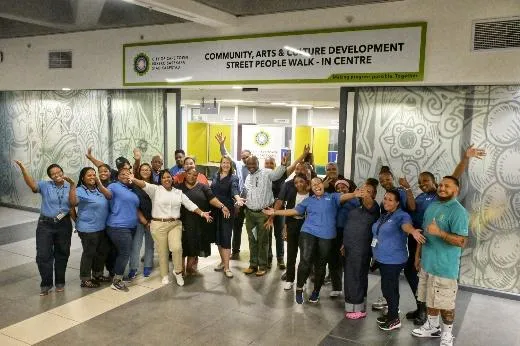
Cape Town’s upgraded Safe Space 1 in Culemborg now offers dormitory accommodation and expanded support services as part of efforts to help people off the streets.
Image: Supplied
The promise is simple, a bed to sleep in, a warm meal, and a chance to start again.
That is what the City of Cape Town says its upgraded Safe Space 1 facility in Culemborg now offers, following a R7,7 million revamp aimed at helping people off the streets and into structured support.
Where there were once basic shelter structures and mobile ablutions, the site now provides dormitory-style accommodation, improved washing and dining facilities, and a dedicated space for training and development.
For those entering the facility, the offering extends beyond immediate relief. The City’s Safe Space model includes two meals a day, access to ablutions, and on-site social workers, alongside longer-term support such as skills training, job placement assistance, and personal development planning.
Residents are also assisted with obtaining identity documents, accessing social grants, and reconnecting with family, part of a broader reintegration focus.
Cape Town Mayor Geordin Hill-Lewis said the upgrades form part of an expanding social services programme aimed at encouraging people to move away from life on the streets.
“In this way, we are helping people to choose social support, reintegration, and even family reunification, over the undignified, unhealthy, and unsafe conditions of life on the streets,” he said.
The City plans to increase available shelter beds from around 1 400 to more than 2 200 over the next three years, through a combination of City-run facilities and partnerships with NGOs.
A new element to the Culemborg site is the introduction of a 16-bed “Sober Space” at the neighbouring Safe Space 2, developed in partnership with Streetscapes and the Cape Town Central City Improvement District. The pilot is designed to better manage situations where residents return to the facility intoxicated.
Mayoral Committee Member for Community Services and Health Francine Higham said partnerships remain central to the City’s approach.
“Partnerships are key to City efforts to reduce rough sleeping in collaboration with the NGO sector. This includes ongoing support to expand Haven night shelters, as well as our winter readiness programme to help qualifying shelters to deal with increased demand during the colder months. One of the latest exciting additions is the partnership with Streetscapes and the CCID on a pilot Sober Space to help safely manage clients who arrive back at our Culemborg facility intoxicated,” she said.
The Safe Space programme also links residents to the City’s Matrix substance abuse treatment programme, which it says has an 83% success rate, addressing one of the key drivers of homelessness.
In addition to the shelter upgrades, a walk-in centre on the Strand Street concourse in the CBD is being enhanced to improve access to social services. The facility operates from 6:30am to 4pm on weekdays and is undergoing upgrades worth just over R400 000.
For the City, the model is about more than temporary shelter. It is about creating a structured pathway, starting with a bed and a meal, and building towards stability, support, and, ultimately, a way off the streets.