Water restrictions loom for Cape Town as households exceed consumption targets


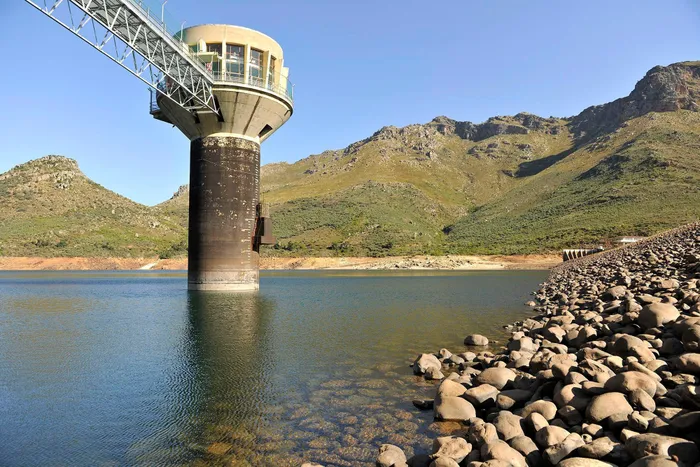
Cape Town’s dam levels have dropped to 47,8%, with households urged to cut water use as consumption remains above target and pressure builds ahead of winter.
Image: File
Cape Town’s dam levels have dropped to 47.8% while water consumption continues to exceed targets, placing households at the centre of efforts to avoid water restrictions later this year.
Daily water use is currently 1 014 million litres per day (MLD), down from 1 022 MLD the previous week, but still 39 MLD above the City’s target of 975 MLD set to help manage supply ahead of winter.
The City of Cape Town says it is not in a drought and is not approaching “Day Zero”, but has entered an early warning phase as the margin to avoid restrictions begins to narrow.
Household consumption remains the single biggest driver of demand, accounting for about 70% of total water use in the city.
Mayoral Committee Member for Water and Sanitation, Councillor Zahid Badroodien, said the next two months would be critical in determining the city’s water outlook.
“Cape Town’s dam levels are 47.8% – no jokes. This water will need to last through winter and possibly into next year, depending on rainfall. In the face of unpredictable rainfall, we cannot depend on what winter will bring. We can only be certain of what we currently have now,” he said.
Badroodien said that, based on current trends, dam levels could decline further in the coming weeks.
“At this current trend, our dam levels will be 40% by May. We need to turn this trajectory around so that together we use less water to help manage our dam levels to avoid water restrictions being implemented earlier than November,” he said.
The City has cautioned that if water use remains above target and dam levels continue to fall, it may consider proposing restrictions before the next annual assessment by the national Department of Water and Sanitation, typically conducted in November.
Officials have identified the period between April and the expected start of winter rainfall as particularly sensitive, with current storage needing to be managed carefully amid uncertainty over seasonal rain.
The City has indicated that dam levels could drop to around 40% by May if usage patterns persist and rainfall is average.
Although the current situation is not classified as a drought, the early warning phase signals increased risk if demand is not reduced.
Residents are being urged to focus on consistent water-saving behaviour at home, including fixing leaks, reducing shower times, limiting non-essential use and watering gardens during cooler hours.
With the majority of Cape Town’s water used at household level, officials say collective behaviour over the coming weeks will play a key role in determining whether stricter measures can be avoided.