High Court rejects Basson's bid to stop disciplinary proceedings


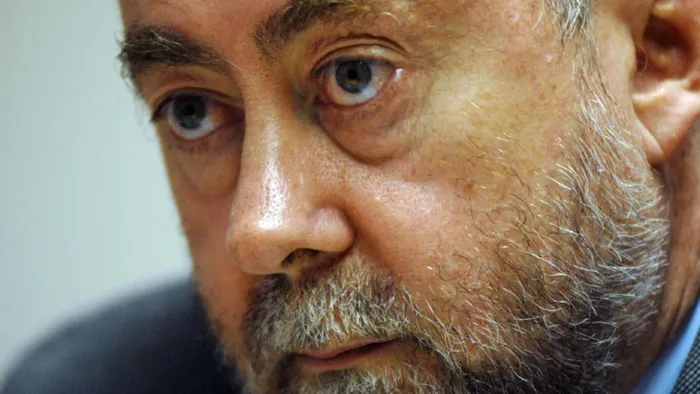
Wouter Basson will have to face his HPCSA hearing after the court denied his permanent stay application.
Image: File
Cape Town cardiologist Dr Wouter Basson, infamous for leading a covert chemical and biological warfare programme during apartheid, must continue facing disciplinary proceedings.
This comes after the Gauteng High Court, Pretoria, this week dismissed his application for a permanent stay of the proceedings before the Health Professions Council of SA (HPCSA).
In December 2013, Basson was found guilty of unprofessional conduct following a disciplinary hearing that investigated complaints related to his actions in the early 1980s, when he led the apartheid government’s chemical and biological warfare initiative, known as Project Coast.
His sentencing proceedings began in January 2015, but were halted due to a number of factors, including legal proceedings for the recusal of committee members. The proceedings against him have not been concluded to date, as the court earlier ordered the recusal of the committee members.
It was argued on behalf of Basson, who is now 75 years old, that he is being prejudiced by the long delay.
According to the court, there is no sufficient evidence that Basson will be prejudiced if the hearing is not permanently stayed.
It was also pointed out that the courts are hesitant to interfere with proceedings before other forums, unless clear prejudice can be proved, which is not the case here.
In opposing Basson’s application for a stay of the proceedings, the HPCSA highlighted the lengthy legal battle regarding the recusal of the panel, which was legally resolved only in 2020.
They argued that it is not unreasonable to now proceed with disciplinary proceedings against Basson.
The medical watchdog body also argued that what Basson wants is to permanently intervene in a pending professional conduct inquiry, which it said is impermissible and untenable in law.
The courts have repeatedly shown reluctance to intervene in pending disciplinary hearings or professional conduct inquiries. Courts only intervene in a pending hearing where it is just and equitable to do so, and where an applicant will suffer a grave injustice if the court does not intervene. This is not such a case, the HPCSA said, to which the court agreed.