What Cape Town residents are saying about the alarming rise in fuel prices


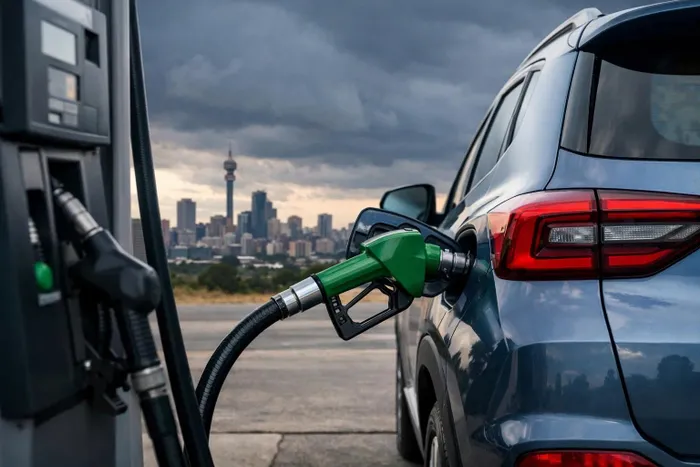
Petrol price hike sparks panic buying and growing fears over rising transport and food costs in Cape Town.
Image: AI / Sora
Cape Town residents rushed to fill their tanks ahead of the latest petrol price increase, but for many, the real impact is only beginning to sink in as fears grow over rising transport costs, food prices and daily expenses.
At a petrol station in Kloof Street, the hours before midnight brought a surge of anxious motorists trying to beat the hike.
“The rush was very hectic. Everyone wanted to get their tanks full before the price went up,” said petrol station manager Vengai Chinoingira. “People are genuinely concerned because the price went up by so much. It’s never increased like this before so people are worried and being vigilant.”
He said the spike in demand reflected widespread concern about what lies ahead. “If things keep going the way they are, we could see another rush at the end of April. We just hope that the government can intervene so that price won’t climb much higher than what it is now.”
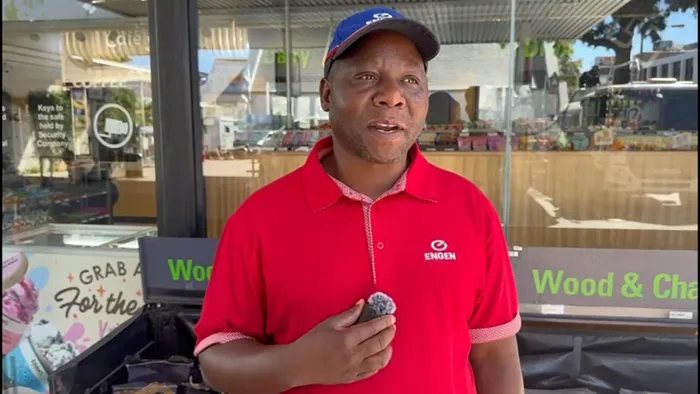
Vengai Chinoingira
Image: Murray Swart/ Cape Argus
Across the city, that concern is shifting from the pumps to people’s pockets.
In the Cape Town CBD, Lekholo Moniwe said the increase is already weighing on residents and the broader economy.
“The petrol price is killing us. It has really affected our economy and it’s going to continue to do so in the near future,” he said. “On a personal level, the increase still feels far to come but it’s coming.”
For commuters, the pressure is more immediate, with transport and grocery costs expected to rise in tandem.
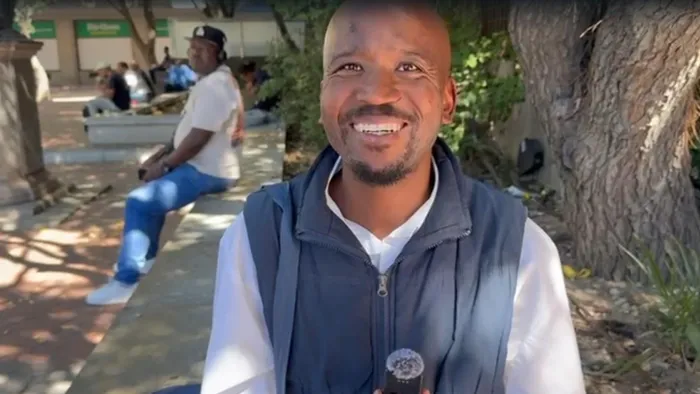
Lekholo Moniwe
Image: Murray Swart/ Cape Argus
At the MyCiTi terminal on Adderley Street, Obakeng Sibiti stood waiting for a bus, bags of groceries in hand, as he considered how the increase could affect his monthly budget.
“I’ve just come from the shop and the prices weren’t as high as I was expecting. Unfortunately, I think from tomorrow and the day after, we will see them really start climbing,” he said.
Sibiti, who relies on public transport, said he expects fares to follow fuel prices upward.
“I always use the MyCiTi bus and buy a monthly ticket, which costs me around R1000, but I know this price is going to go up significantly very soon,” he said. “Everything is about to become much more expensive and it really gives cause for concern.”
For those who depend on their vehicles to earn a living, the increase is already forcing difficult decisions.
Hout Bay resident Keith Johnston said he is likely to adjust his pricing to absorb rising fuel costs.
“I filled up yesterday and I know I will probably have to fill-up again on Friday. I usually put in R500 at a time which gives me about 200km,” he said. “I’m in business and work for myself so I will have to think about charging my clients a little extra.”
He warned that the ripple effects would extend beyond motorists.
“I can deal with the price if it goes up by R3 but what worries me is the impact on the taxi industry and people who transport goods to various shops,” he said. “This increase fuels inflation and is going to cause the cost of everything to go up. At the end of the day, it’s the people that have to deal with the knock-on effect of all of this stuff.”
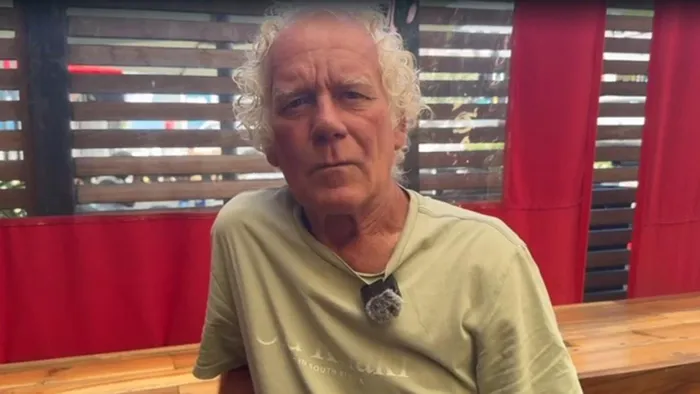
Keith Johnston
Image: Murray Swart/ Cape Argus
Economists warn the impact is compounded by structural challenges, including long commuting distances and limited reliable public transport, leaving many households exposed to fuel shocks.
A businesswoman from Gardens, who asked to remain anonymous, said while she understood some of the global factors behind the increase, she remains sceptical about whether prices will come down meaningfully.
“The price going up is not nice but it’s something that is important to help free the people of Iran from a dictatorship. If the world can help, I’m happy with that,” she said. “What does worry me though is that in South Africa, prices generally go up quite a lot before coming down a bit. I highly doubt the petrol price will come down the whole amount.”
She said the impact would likely be felt in shops as well.
“It also means your in-store buying prices are going to go up because of the price of fuel,” she said. “I’m also skeptical that those prices will ever come back. We might get a small percentage off but they are going to keep the prices up.”
For some residents, the only option may be to rethink how they get around.
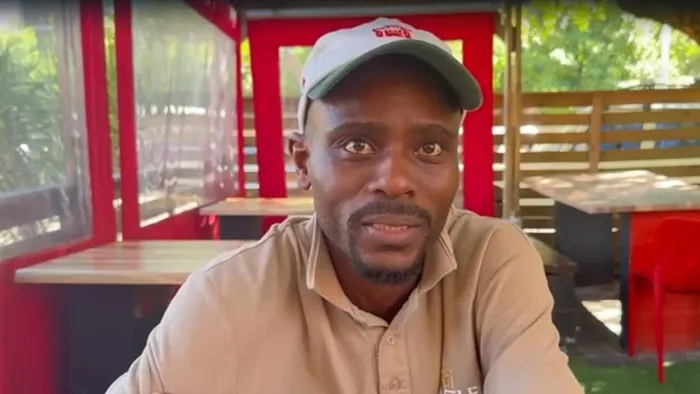
Limbani Banda
Image: Murray Swart/ Cape Argus
Limbani Banda, a Malawian national working at a restaurant in Kloof Street, said the rising cost of fuel is becoming increasingly difficult to manage.
“I saw on the news that the price was going up and it’s definitely going to affect motorists and transport in general. I know it’s going to be a big problem,” he said.
“I’m really concerned about my transport because I’m driving to work every day and doing this is going to be costing me a lot more in future.”
He said he may need to consider alternatives.
“Maybe I will buy a motorbike or start cycling to work. I might even have to start walking because using a car is becoming so expensive,” he said. “I think the petrol price is just going to keep climbing and in the end, it’s going to be too much.”
Despite the challenges, he tried to find a positive angle. “On the plus side, the higher petrol price is going to force us to become much fitter.”
As the increase takes effect, many residents say the uncertainty is what weighs most heavily.
“The whole situation is a bit embarrassing and we don’t know the way forward,” Banda said. “We’ll just have to wait and see. Maybe the price will come down. Maybe it will go up even more. So far… it’s not looking good.”