Easter weekend beachgoers warned of dangerous spring tides


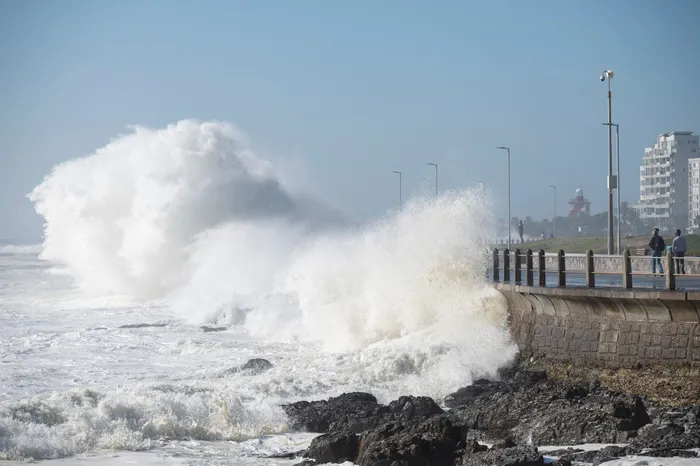
NSRI warns of dangerous spring tide conditions ahead of the Easter weekend, with stronger rip currents and higher waves expected along the coast.
Image: File/ : Armand Hough / Independent Newspapers
Beachgoers planning to head to the coast over the Easter weekend are being urged to take extra precautions as a powerful full moon spring tide is expected to peak on Thursday, 2 April.
The National Sea Rescue Institute (NSRI) has issued an advisory warning that the tidal surge will significantly affect sea conditions for several days, coinciding with one of the busiest holiday periods along South Africa’s coastline.
Spring tides occur when the sun, moon and Earth align during a full moon phase, increasing gravitational pull on the oceans and resulting in more extreme tidal movements.
The NSRI said this week’s spring tide will bring higher-than-normal high tides, lower-than-normal low tides, and a larger gap between the two, creating potentially hazardous conditions for swimmers, anglers and coastal hikers.
“These conditions can increase the strength of rip currents and tidal flows, especially in the late afternoon and early evening,” the organisation said.
The warning comes amid a series of recent incidents highlighting the dangers of coastal conditions.
In recent days, Good Samaritans and rescuers intervened in separate incidents along the Western Cape coastline, including at Kleinmond and Herolds Bay, where swimmers were caught in strong rip currents. In one case, a man was pulled from the water unconscious before emergency services arrived.
Earlier this year, the NSRI reported a surge in water-related emergencies, responding to more than 30 incidents in a single week, with multiple deaths and several people reported missing. Many of these cases were linked to powerful tidal conditions associated with full moon spring tides.
In January, similar conditions during a so-called “super tide” were linked to multiple fatalities along South Africa’s coastline, underscoring the risks posed by extreme tidal movement.
Stronger rip currents remain one of the primary concerns. These fast-moving channels of water can pull swimmers away from shore and are often intensified during spring tides, particularly during outgoing tides in the late afternoon.
The NSRI also warned of dangerous tidal surges in narrow coastal inlets, such as those at the Knysna Heads, where water flow can become especially powerful.
Coastal hikers are being cautioned to plan routes carefully, as some trails may become cut off during high tide, particularly in the afternoons. Shoreline anglers are also at risk, with waves expected to reach further inland than usual, potentially sweeping across rocks and fishing spots that are typically considered safe.
The organisation urged beachgoers to swim only at beaches protected by lifeguards and to remain between demarcated flags.
“Rip currents are particularly strong during spring tides, especially during outgoing tides in the late afternoon and early evening,” the NSRI said.
Visitors are also encouraged to check daily weather updates from the South African Weather Service and consult tide tables before heading out.
For those engaging in boating, paddling or fishing, wearing life jackets and carrying basic safety equipment is strongly advised. The NSRI also recommends using its SafeTRX mobile app, which allows users to log trips and alert rescuers in an emergency.
Alcohol consumption before or during water activities was highlighted as a significant risk factor, while parents and caregivers are urged to closely supervise children near water at all times.
The warning extends beyond the coastline to inland water bodies, including rivers, dams and lakes, particularly following recent rainfall that may lead to stronger currents and rising water levels.
The NSRI said the effects of the spring tide could persist for several days beyond the peak and urged the public to remain vigilant throughout the holiday period.
“By adhering to these safety measures, you can minimise risks and enjoy the ocean’s natural beauty responsibly,” the organisation said.